
Written By Deepti Ratnam


Written By Deepti Ratnam
Edited by Deepti Ratnam |Published: May 14, 2026, 01:45 PM (IST)
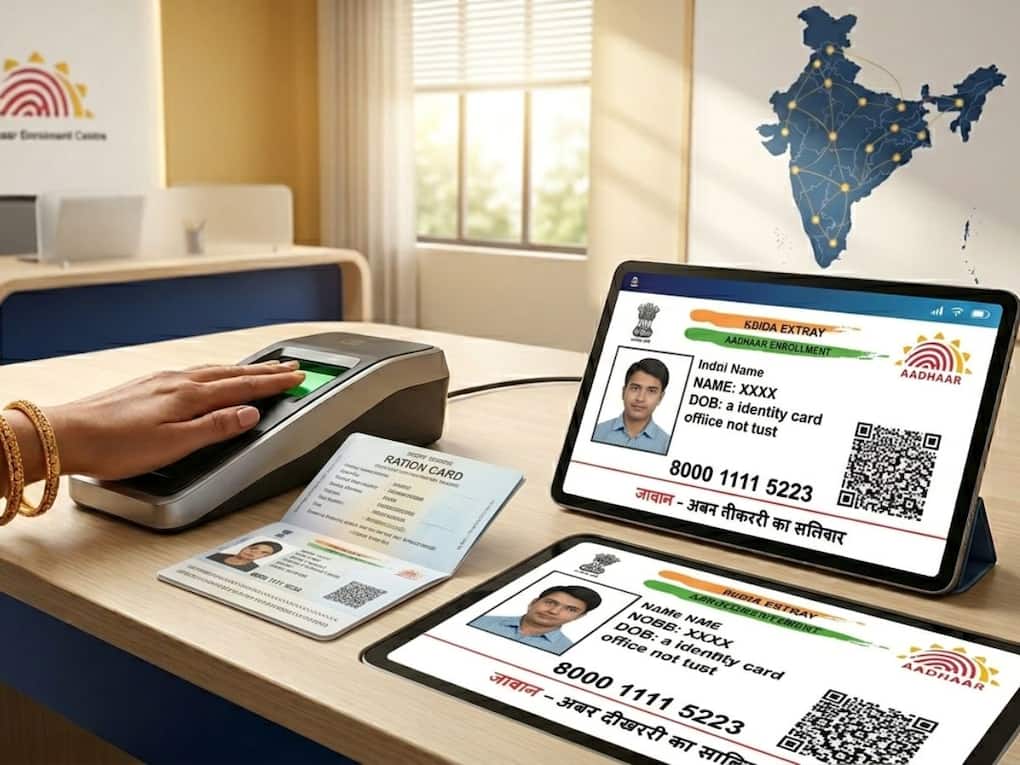
 Common Aadhaar errors like name mismatches and outdated mobile numbers can create issues during bank KYC verification.
Unique Identification Authority of India has introduced major changes to Aadhaar enrolment. The changes are made through the Aadhaar First Amendment Regulations 2026. The updated rules have expanded the list of accepted documents required for Aadhaar updates. Now, we have simplify enrolment rules for children along with officially define Aadhaar validity periods fo OCI cardholders, long-term Visa holders, and foreign nationals.  Also Read: How to check if Aadhaar Card is fake: Simple ways to verify QR Code, Aadhaar number, and identity details
This update is essential for existing Aadhaar holders if they are planning to change their address, relationship details, date of birth, and name. UIDAI has officially released a fresh list of approved documents that can be used for Aadhaar corrections and enrolment. Also Read: Aadhaar card will not change format, govt rejects viral claim: Here’s the truth
These revised rules will make the Aadhaar services more flexible, easier to access, and inclusive. It will reduce documents-related confusion during updates. Also Read: How to get Aadhaar card without OTP: Complete process guide
One of the biggest and best changes in the new rules is the expansion of list of documents accepted for Aadhaar updates. UIDAI has broadened the document required under List IV. This applies to people of all age groups.
Under this new regulation and framework, Aadhaar card holders will submit their documents as proof of identity, proof of date of birth, proof of relationship, and proof of address. Nevertheless, not every document will work for all age categories. It means, some documents may only be accepted for address verification while other may also support identity verification or date of birth.
The updated list includes more than 30 accepted document types, giving users far more flexibility compared to earlier rules.
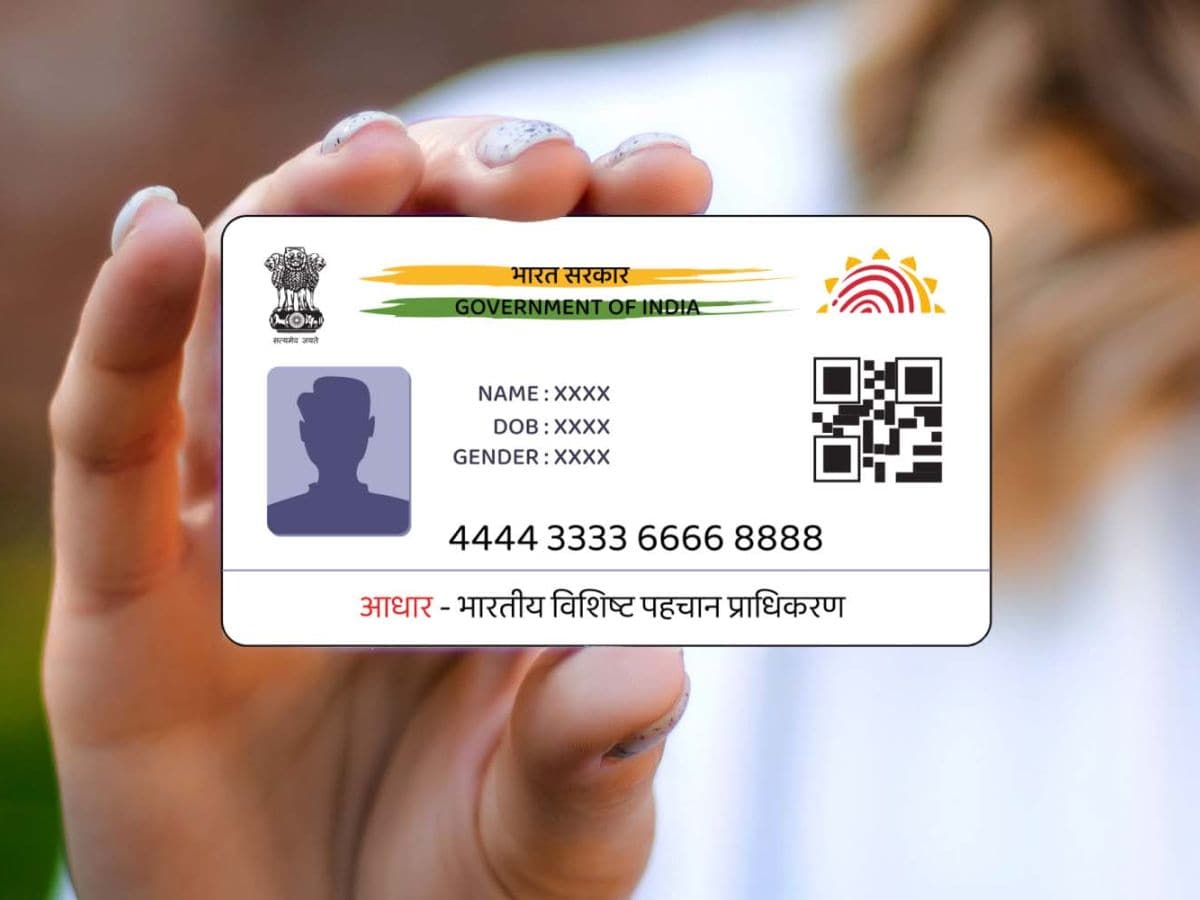
This expansion is made with an aim to make Aadhaar services more accessible for people from different social and economic backgrounds.
Among all these documents, Passport remains one of the most important and comprehensive proofs for Aadhaar updates. Passport can be used as an address proof, identity proof, relationship proof, and date of birth verifications.
While voter ID cards can be used for identity and address verifications, ration cards and e-Ration cards are also used for identity, address, and relationship proof.
Talking about the Driving License, they are currently accepted for identity proof under the revised rules.
There are several government-issued service ID cards, including pensioner documents, and Kisan photo passbooks. They are also included in the approved list for different update categories.
Besides expanding document list, UIDAI has also tightened the conditions under which documents will be approved. According to authority, all submitted documents must be valid and non-expired. It should be verifiable from the issuing authority. In addition, it should belong to the applicant and must not have been declared invalid.
On top of this, UIDAI has also clarified that the identity proof document must contain both the applicant’s name and photograph. In the same way, relationship proof document must also include both applicant’s name and the Head of family name.
Another important rule to keep in mind that names and date of birth should match across all documents. Your Aadhaar record will reflect names exactly as written in the supporting documents without any extra mentioning or modifications.

There are also some crucial amendments in the Aadhaar guidelines for children’s registration.
For younger children (under five years), UIDAI has adopted Head of Family enrolment as a key process. A birth certificate will now be the main obligatory document and birth certificate from the parents/guardians were now required. UIDAI is promoting Head of Family enrolment for children aged 5-18, with document-based enrolment to be allowed if necessary.
The changes have been made to ease the enrolment process of Aadhaar for children and to maintain the higher standards for identity verification.
The amendment also establishes official validity periods for Overseas Citizenship of India cardholders, those who have received Long-Term Visa, Nepal nationals and Bhutan nationals and other foreign citizens staying in India for more than 182 days during last one year.

The new regulations state that Aadhaar number cards issued to OCI card holders and Nepal/Bhutan citizens will be valid for 10 years. Aadhaar validity will be based on the validity of the visa/ FRRO permit for Long-Term Visa or other Foreign nationals.


