
Written By Deepti Ratnam


Written By Deepti Ratnam
Edited by Deepti Ratnam |Published: May 14, 2026, 12:45 PM (IST)
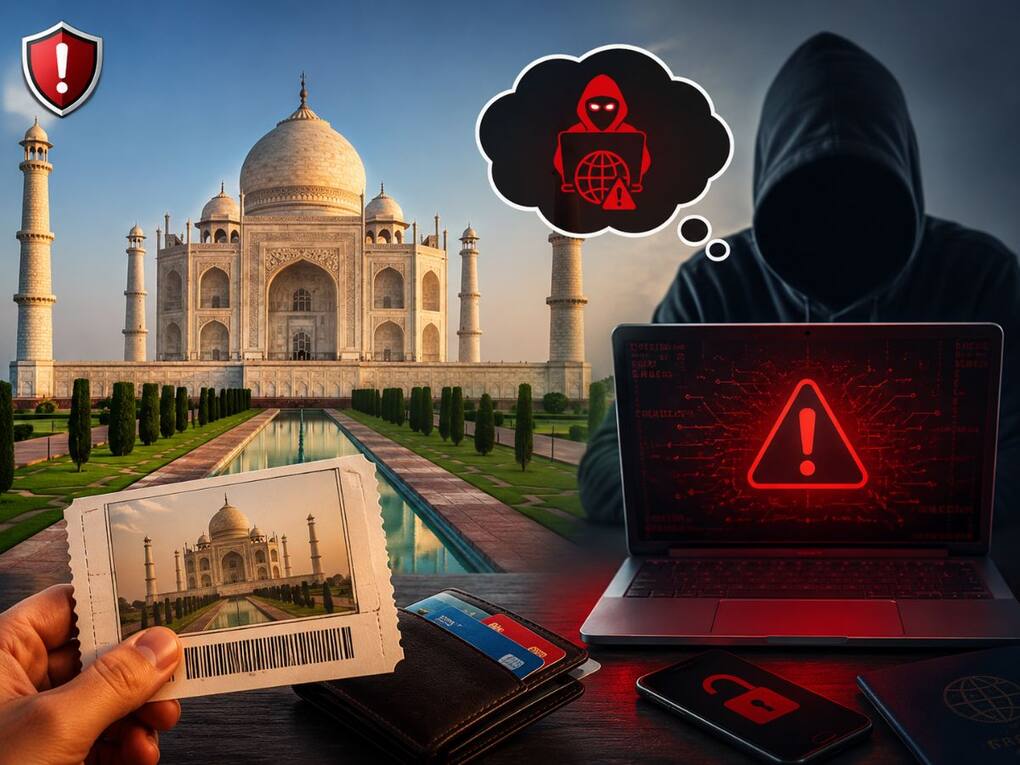
 Taj Mahal ticket website warning: Fake portal may compromise your banking details
The Indian Cyber Crime Coordination Centre has issued an advisory warning tourists against websites selling fake Taj Mahal tickets. The website is posing itself as an official Taj Mahal booking platform and charging tourists money for visiting it. The advisory is issued via the cyber awareness initiative CyberDost via its official X account. Authorities recently noticed a suspicious website operating under the domain ‘ticketstajmahal.com.’
Also Read
Also Read
Also Read
According to the warning, the portal allegedly imitates a genuine booking service. They are tricking people to believe that it is the official Taj Mahal booking platform. Tourists are making payments and sharing personal information on the fake website.
Officials said such websites are often designed to closely resemble authentic government or tourism portals. It makes them difficult for many people to identify as fake.
Cybercrime experts reveal that fake travel and ticket booking portals are increasingly being used to target tourists. The cases are rising especially during buys travel seasons and holiday periods.
Not only these websites promises faster bookings, but they are also selling cheaper entry tickets and exclusive deals to attract customers. As soon as users enter their payment details or personal information, scammer start misusing their data for financial fraud. They can also pose risk toward identity theft.
CyberDost warn users against these fake websites and suggest them to remain cautious before making any online payments. You should always verify website URLs carefully rather than just blindly trusting promotional claims.
The agency further mentioned and reminded that how fake booking websites can put both money and sensitive data at serious risk.
ताज महल की tickets book करने से पहले website verify ज़रूर करें।
“https://t.co/jqJN9Jw4Wl” नाम की fake website के ज़रिए लोगों को mislead किया जा रहा है। ऐसी fake websites बिल्कुल official booking portals जैसी दिखती हैं, लेकिन इनका इस्तेमाल users से payment और personal details… pic.twitter.com/TLHqcCROKV
— CyberDost I4C (@Cyberdost) May 13, 2026
What can happen if your data is compromised via these fake websites:
CyberDost has advised people to purchase tickets for Taj Mahal and other monumental sites only via verified and government authorized platforms. This way they will not be targeted via fake websites.
Never trust fast-booking platforms or websites. These platforms can also offer unrealistic discounts without proper verification. According to experts, scammers often use urgency and low prices to pressurize customers into completing transactions.
Make sure you also avoid suspicious ads, or links, or promotional messages related to the ticket bookings. The advisory highlights that users should always double-check website addresses before entering their personal details on any platform.
The warning triggered strong reactions on X and many users started questioning that why the fake website is still active even after issuing advisory. Many users argued that awareness campaigns alone cannot do everything and is not enough. Authorities should work faster to suspend these fraudulent domains before more people are targeted and become victims.
People started sharing their personal experience of online fraud and scams. One of the major questions in discussion was whether money lost via fraud or online scam could be recovered after filing complaints.
The reactions reflect growing concern around online scams. Majorly these scams are linked to travel, digital payments, and tourism.
CyberDost has urged the victims of cyber fraud to immediately complain about the incident through the helpline number 1930 of the National Cybercrime Reporting Centre (NCRP) or the official cybercrime reporting system.
The faster that the incidents are reported, the more likely they are to be prevented and the clues to be followed to uncover fraud networks online, officials said.
The agency also recommended that users share information with their friends and family members, particularly those who might not be familiar with how to recognize an online fake website.
With the rise of online bookings and payments, cybersecurity experts report a massive surge in online travel-related scams. In recent years, fake airline ticket websites, fake hotel websites, tour package websites and fake monument ticket websites are becoming more and more common.
Often times scammers will mimic the design, logos and layout of real sites to fool visitors into believing that they are on a legitimate site.
Experts say one of the best ways to stay protected is to use official government portals, trusted travel services, and verified payment systems instead of clicking on random promotional links shared online.

Public awareness is one of the primary ways to combat cybercrime and online fraud, according to authorities, especially in digital tourism, which is on the rise in India.


