Written By Deepti Ratnam
Published By: Deepti Ratnam | Published: Jul 09, 2026, 10:30 AM (IST)
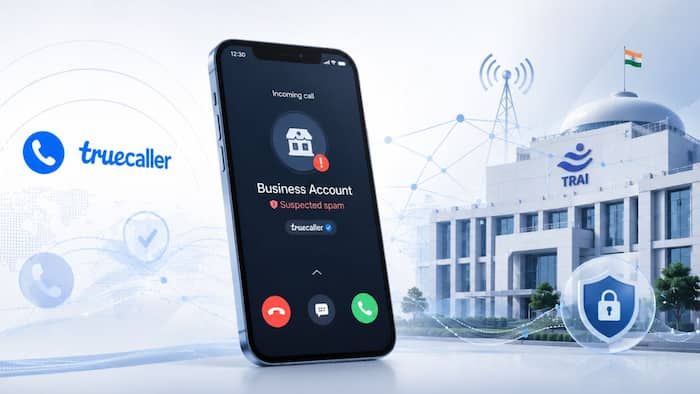
 Truecaller vs TRAI: The battle over India's anti-spam regulations


Written By Deepti Ratnam
The tension between Truecaller and TRAI is escalating further on the anti-spam policy. Truecaller, taking dig on the Telecom Authority of India, says that the policy by the authority is complicating the efforts by caller ID apps to safeguard users against receiving unwanted calls. India is the largest market for any telecom or caller ID company. This the main reason spam and scam calls are increasing day by day. Truecaller has raised questions on the anti-spam policy of the Telecom Regulatory Authority of India (TRAI)  Also Read: Unknown caller? Truecaller Community Suggestions will help you
The issue worsened when CEO of Truecaller, Rishit Jhunjhunwala raised questions on social media against TRAI’s rules and regulations. In his post, he accused the regulator of restricting the community reported data on spam calls. In this basically for the Indian government dedicated numbers 1400 and 1600 series. According to him, it is reducing consumer trust in legitimate business calls. Also Read: Boat Valour Ring 1 Launched In India: Features, Price, And Battery Life
The public criticism of the move follows amid reports that Telecom Regulatory Authority of India (TRAI) is seeking powers in the Information Technology Act (IT Act) to act against apps that mark numbers from these series as spam, such as Truecaller, Hiya and Whoscall. Also Read: Missed A Call? Truecaller’s New Voicemail Lets You Read Messages Instantly
In 2024, India launched the dedicated numbering framework to facilitate identification of commercial communications and to cut down spam and scam calls.
Talking about the numbers series, the 1400 is reserved for promotional and telemarketing communications. However, the 1600 series for service and transactional alerts, such as:
The aim was to allow consumers to identify legitimate business calls from fraudulent and to facilitate the telecom operators to control commercial calls.
The move was part of a swat campaign against spam and scam calls. The government last year said it had de-registered more than 2.1 million fraudulent mobile numbers and blocked more than 100,000 communication outlets linked to fraudulent mobile numbers.
Truecaller says the idea of such a framework is right, but the limitations imposed on the caller ID platforms have had the reverse impact.
The company says calls from the designated number ranges are increasingly being rejected by users due to businesses’ and bad actors’ continued misuse of the numbers.
According to internal data, during the last eight months, 81% of the calls received by Truecaller users were ignored by them as part of the 1400 series and 79% of calls received from 1600 series were ignored. The 74 million calls that were manually blocked from these number ranges were also blocked manually by the user, and the number of calls blocked by number range in the 1600-series has more than tripled since October 2025.
In this way, the company does not have to label these calls as spam, and added a “Frequently Blocked” badge to show if many users have blocked a number.
Truecaller says this hack provides less transparency than community-based labels and hampers its ability to protect users from potentially unwanted calls.
The conflict highlights how difficult it is to have a consistent regulatory framework yet be user-friendly.
The country’s biggest concern is India, which is Truecaller’s biggest market.
The company states it serves over 350 million of its total of 500 million monthly active users from India. It has grown to include services like fraud detection, identity verification, and financial products, but caller ID is at the heart of its operations.
Any limitations on the presentation of spam information could then impact user engagement and the company’s continued growth in its most important market.
During the regulatory process the company will share its own findings with the Ministry of Electronics and Information Technology in India to discuss the findings based on evidence and not assumptions, Jhunjhunwala said.
He also asked the authorities to concentrate the action against spam and fraudulent messages and not on platforms that enable users to determine whether the incoming calls are unwanted.

At the time of writing, neither TRAI nor the Ministry has officially commented on the company’s latest comments.

Don't Miss Out the Latest Updates. Subscribe to Our Newsletter Today!