Written By Deepti Ratnam
Published By: Deepti Ratnam | Published: Jul 09, 2026, 09:05 AM (IST)


Written By Deepti Ratnam
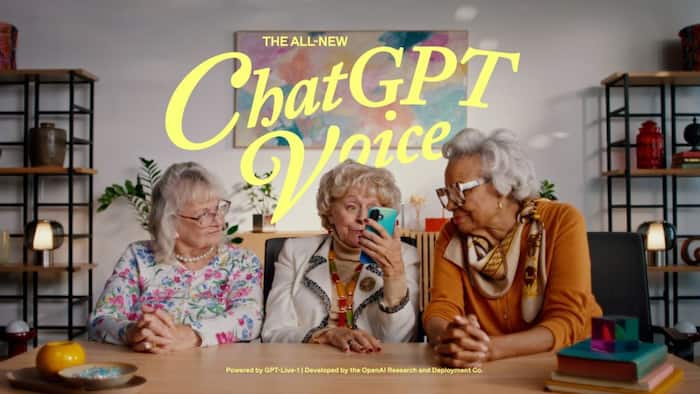
In this fast paced and tough AI competition, every company is looking for ways to get ahead. In this regard, one of the biggest AI tech giant, OpenAI has now introduced two new models called GPT-Live-1 and GPT-Live-1 mini. Both models are a new generation of conversational voice models. The company has designed both models with an aim to make interactions with ChatGPT feel more like speaking with another person. Rather than feeling like operating a digital assistant, users can now indulge in interactive sessions with the AI.  Also Read: OpenAI confirms GPT-5.6 rollout after delay: Sol, Terra and Luna arrive Thursday
This is one of the biggest voice technology upgrade of OpenAI since its Advanced Voice Mode. These models bring listening and speaking simultaneously. Users can have longer conversational memory along with deeper integration with company’s latest AI models. Also Read: OpenAI's first hardware device is coming on July 15; here's what it is
Voice assistants use a simple sequence. They listen for user’s speech, recognize it as text, formulate a response and speak that response again. Though this pipeline is good for simple requests, this often leads to noticeable delays, awkward interruptions and robotic conversations. Also Read: OpenAI makes a big India bet, hires former Uber India chief to lead operations
Introducing GPT-Live, a new generation of voice models for natural human-AI interaction.
Rolling out in ChatGPT starting today.
You’ll want to turn the sound on for this one. pic.twitter.com/WzoQFvA5ir
— OpenAI (@OpenAI) July 8, 2026
The new models are full-duplex speech processing models where the assistant can listen and talk at the same time. It is like the way people do things naturally, talking over each other, stopping and thinking, turning around in the middle of the sentence, and answering before the person has even finished.
What GPT-Live aims to solve is the issue of context loss that users have faced with AI voice assistants, which requires them to wait for each sentence to finish before receiving a response.The key differentiator is that GPT-Live processes speech continuously, not waiting for each spoken sentence to be finished, which should help minimize latencies and eliminate one of the main sources of frustration for users with AI voice assistants: having their helper interrupt them or lose their context when the speaker pauses for a moment.
In the rollout, OpenAI is switching the voice experience of ChatGPT from Advanced Voice Mode to GPT-Live-1 mini as the default voice mode. The larger and more powerful GPT-Live-1 will be available to users on paid tiers.
Unlike previous iterations of ChatGPT Voice, GPT-Live can deliver spoken answers, but it isn’t restricted to this. The conversation flow can seamlessly be maintained and the voice system can pass the question to OpenAI’s latest reasoning models like GPT-5.5, which requires internet searching and/or agentic capabilities.
This gives the assistant the ability to talk naturally, and also have more advanced AI functionality working in the background.
Users can interrupt the assistant to explain or correct the information or ask a new question, and GPT-Live will adjust without restarting the conversation. Can identify natural pauses, be silent when required, and respond at less robotic times.
The models are designed to keep track of what was said in the previous conversation for much longer than several minutes, whereas the previous models would not have done that.
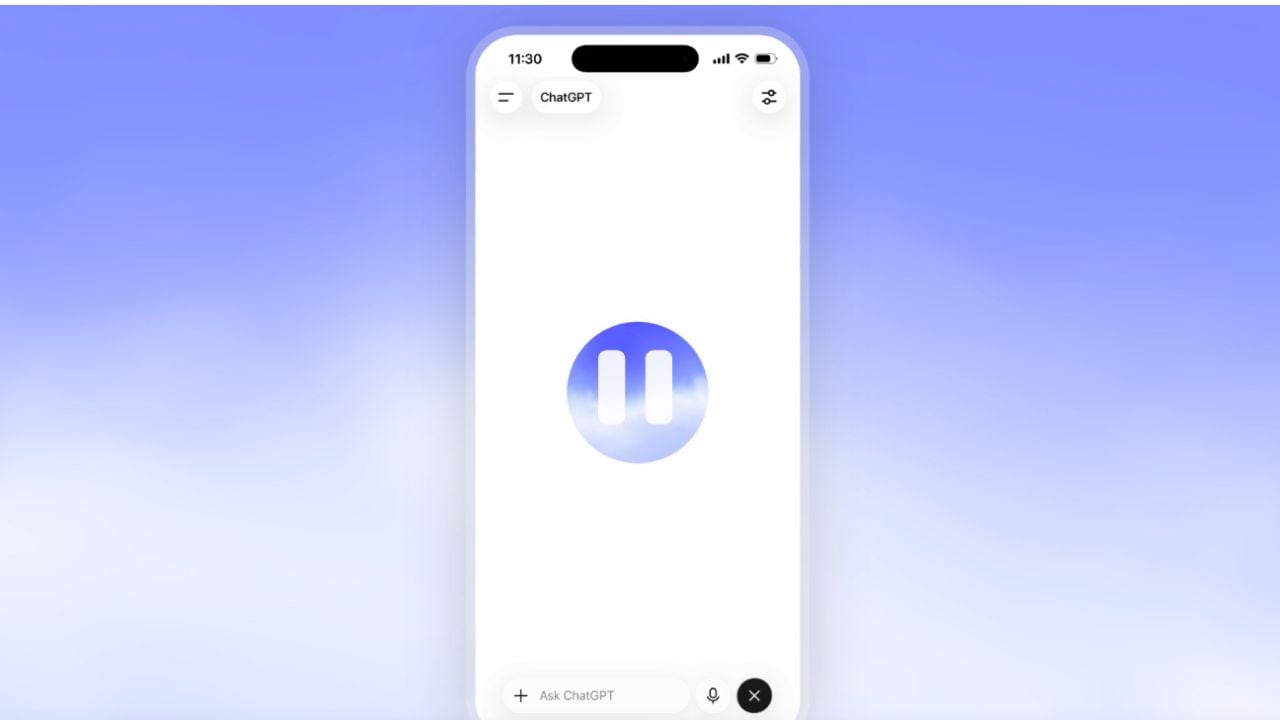
Students can get uninterrupted tutoring sessions, where they feel like they are conversing with a teacher rather than software.
Presenters, meeting summarizers, or individuals with technical issues can brainstorm ideas, recap meetings, or discuss technical issues without having to turn the conversation over and over.
Developers were able to debug their code verbally, and read through outputs of their code during the discussion.
Although it makes conversations increasingly human, OpenAI says its GPT-Live is not meant to be an emotional companion.
The company has included protections to deliver age-appropriate replies to younger users and direct users to age-appropriate resources for conversations on topics like self-harm or emotional distress.

OpenAI has begun to roll out GPT-Live globally on ChatGPT on iOS, Android, and the web. GPT-Live-1 will be the voice model for Go, Plus, and Pro subscribers, and GPT-Live-1 mini will be used in ChatGPT Voice for Free. GPT-Live does not currently support voice chat with video or screen sharing, but OpenAI states that it is currently in development. Until support is available for those features on GPT-Live, users will be able to keep using the legacy Standard and Advanced Voice Mode.

Don't Miss Out the Latest Updates. Subscribe to Our Newsletter Today!