Written By Deepti Ratnam
Published by Deepti Ratnam| Published: Jul 07, 2026, 04:23 PM (IST)


 untitled - 2026-07-07T115801.218


 Pros
ProsThe Xiaomi Pad 8 delivers flagship-level performance, a sharp 3.2K 144Hz display, premium build quality and reliable all-day battery life, making it an excellent choice for productivity and entertainment.
 Cons
ConsThe lack of cellular connectivity and expandable storage may be a drawback for some users, while occasional software optimization issues and average cameras leave room for improvement.
Written By Deepti Ratnam
The sub-Rs 40,000 tablet segment in India has gone from being an afterthought for entertainment to a competitive, head-on fight for productivity. The Xiaomi Pad 8 is Xiaomi’s newest contender aiming to cross the divide between leisure time entertainment and work time use. Starting at Rs 33,999, it’s packed with cutting-edge silicon and an intriguing large display.  Also Read: Xiaomi Pad 8 sale starts in India today: Price, offers, variants, and specifications
 Also Read: Xiaomi Pad 8 debuts in India with 144Hz display, Snapdragon 8s Gen 4: Specs, price and availability
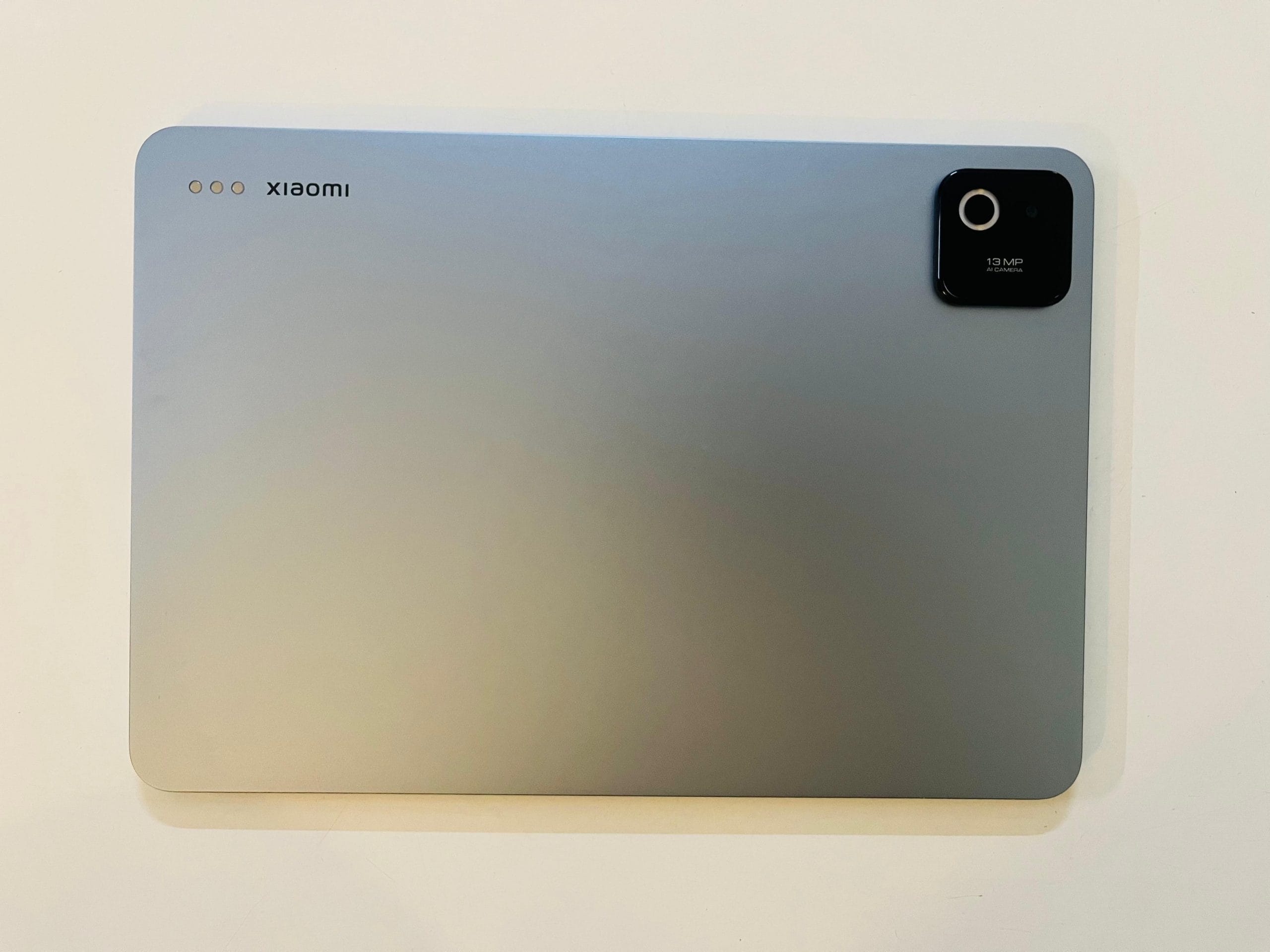
The first thing that catches your eye upon opening the box of the Xiaomi Pad 8 is its physical engineering. It’s incredibly thin at 5.75 mm and is fully metal unibody, making it feel very futuristic to hold, something that not many can boast of. The tablet weighs 485 grams, and distributes its weight beautifully. Also Read: Xiaomi Pad 8 price in India leaked ahead of its launch: Here’s how much it may cost
Real Life Scenario: I had the tablet in my hand, unprotected, to read reports during a 2-hour flight between Mumbai and Delhi. I wasn’t too much bothered about the thin metal build however, I did feel that it was a bit slippery without a case.
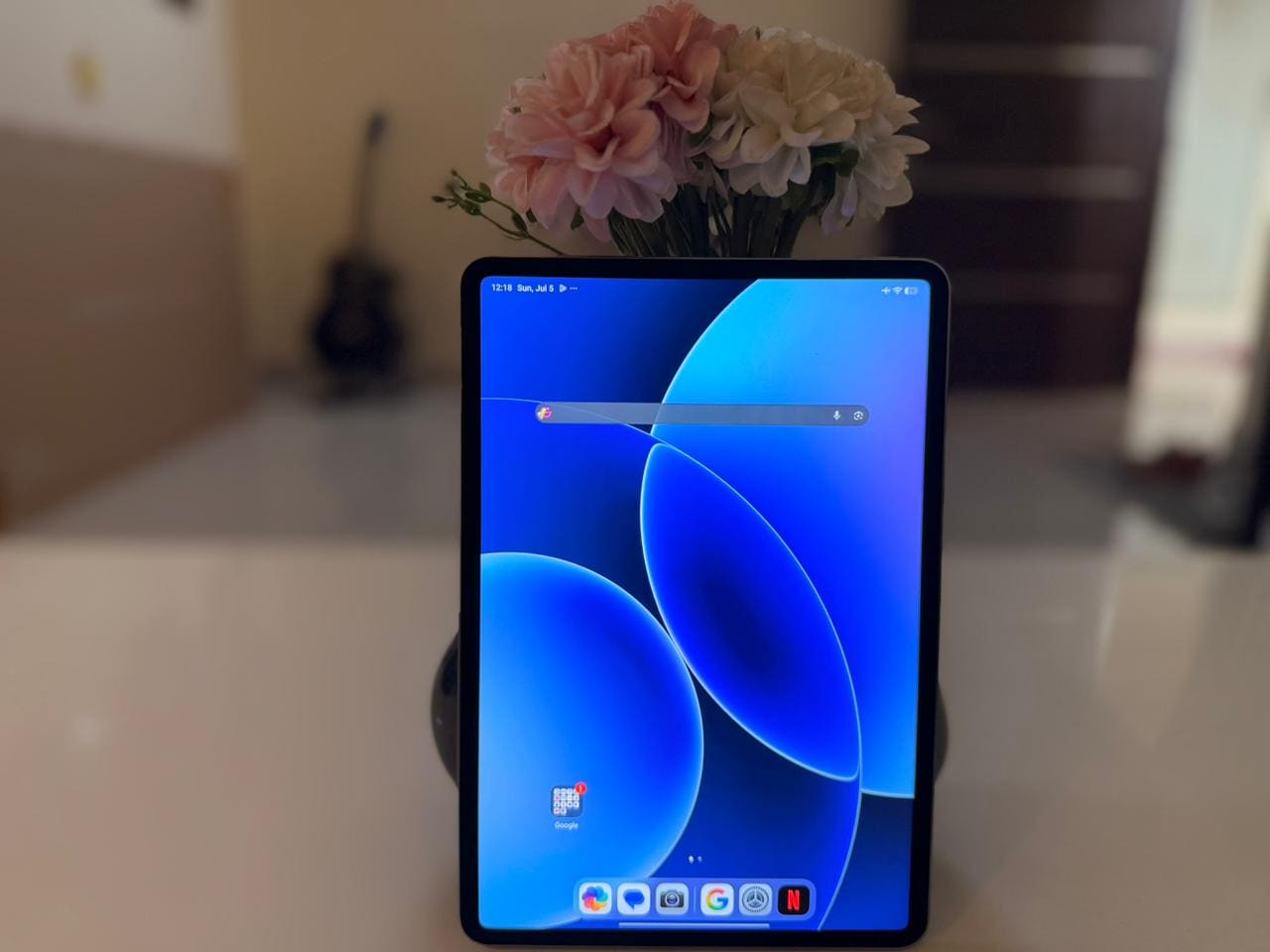
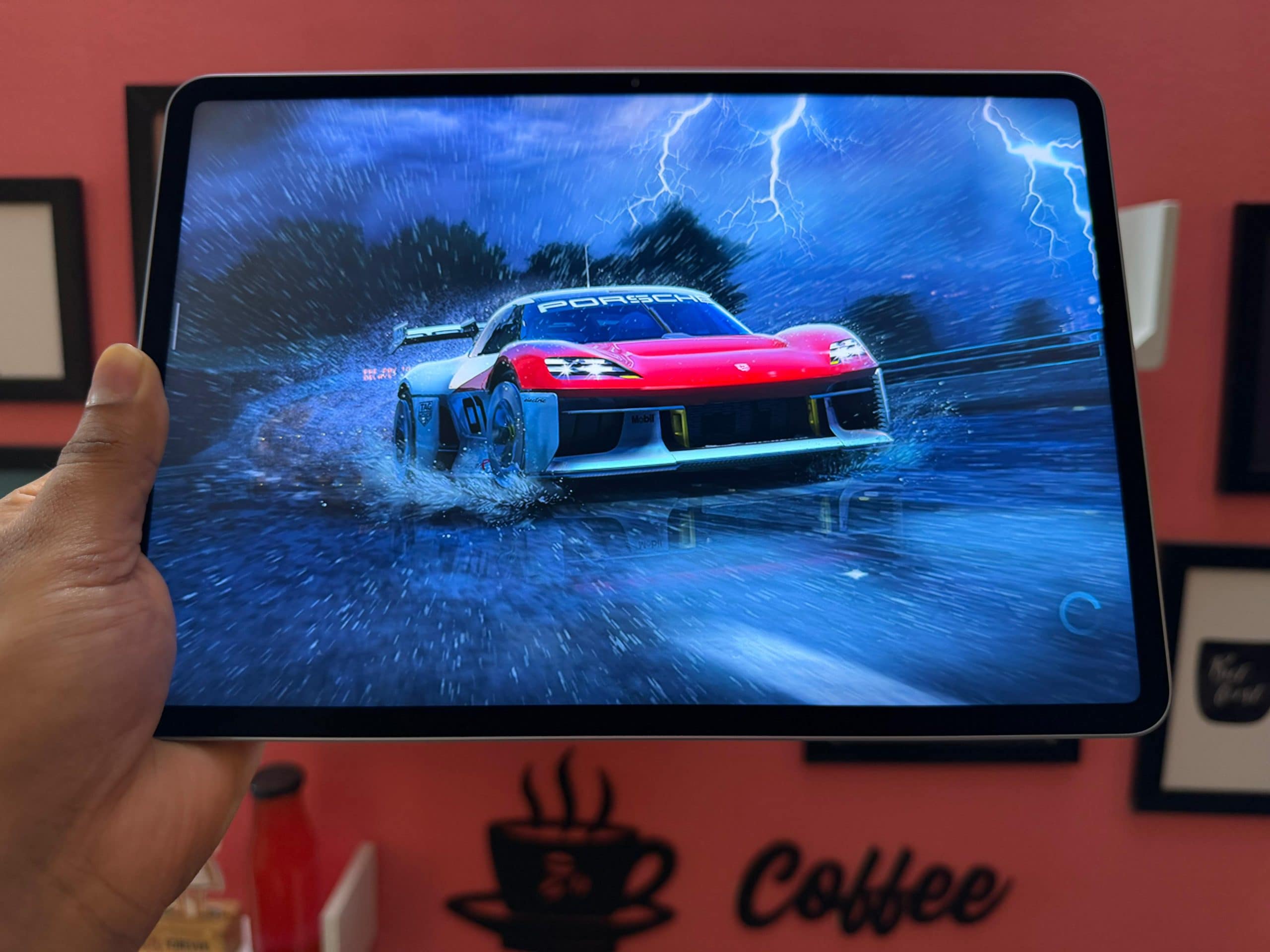
The 11.2-inch LCD touchscreen is the highlight of the Pad 8. Xiaomi did not adopt the standard widescreen format, but opted for a productivity-centric 3:2 ratio and managed to produce an ultra-sharp 3.2K screen (3200 × 2136) in the process. It also supports a 144Hz adaptive refresh rate and Dolby Vision support.
The Nano Texture Display top quality version, pairing anti-glare nano texture with anti-reflective coating. According to Xiaomi, the reflectivity is reduced by 70%, and that’s true.
The Outdoors Experience: I shot the tablet out of a brightly lit café terrace at noon. The Nano Texture display diffused the glaring light from normal glossy surface into a soft, readable matte surface when exposed to direct sunlight.
The Content Trade-Off: Reading PDFs and drawing on it felt like high quality paper, however when paired with HDR10 streaming content, the matte layer also somewhat muted the “pop” and deep contrast of colors that was noticeable on the glossy layers.
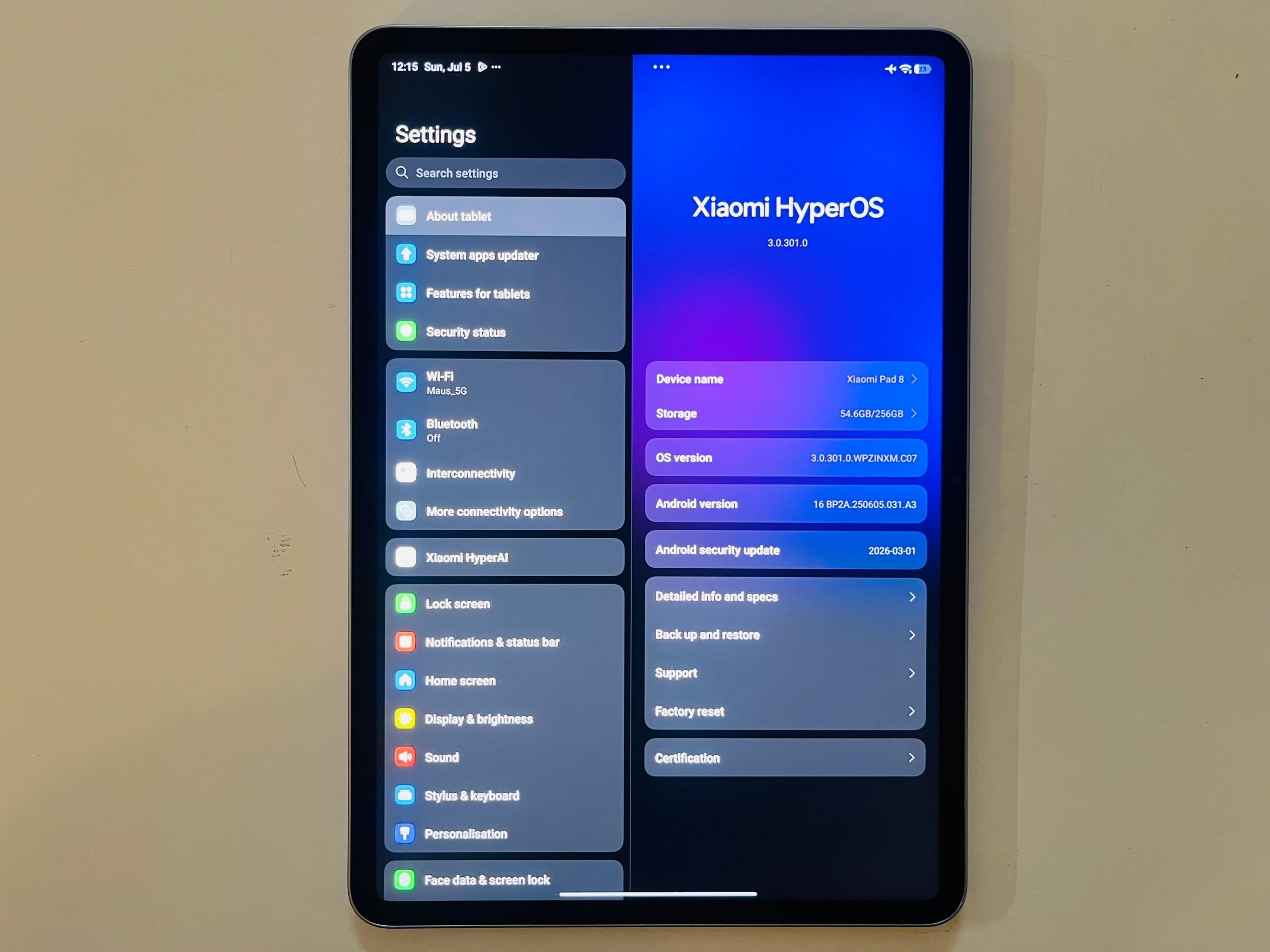
Under the hood, the tablet is powered by the Snapdragon 8s Gen 4 processor. This silicon makes the Pad 8 a full-fledged performance monster. The software is well optimized for multi window use with HyperOS 3 (Android 16).
Xiaomi HyperAI enables easy cross-device ecosystem handoffs. I could copy some text from a Xiaomi phone and paste it directly onto the tablet canvas. But there are minor quirks in HyperOS 3’s optimization, as some third-party Indian banking and regional entertainment apps sometimes expand too much, rather than fitting appropriately into the 3:2 aspect ratio.
There is a noticeable difference in performance between the two levels under heavy loads. In the 12GB version, background applications stay in the same position for hours, and switching between them takes a matter of seconds. When you make your first purchase, do it right: The storage can’t be expanded. The 128GB tier will quickly get small if you plan to store large video libraries or design projects locally.
The battery is a 9200mAh unit with 45W fast charging, while the system is powered by a 45W power adapter. Xiaomi’s rating for this setup is 9.3 hours of uninterrupted video play.
I ran some battery-draining tests with the document editing app using Wi-Fi, YouTube streaming for 3 hours and playing some casual games for an hour — and at the end of the tests the tablet had about 18% charge left in its battery pack. It’s a definite one-day heavy use machine.
It takes about 1 hour and 45 minutes to charge from 0% to 100%. But the standout feature is one I found extremely useful on my drive to and from work: integrated reverse charging, which means you can use the tablet as a power bank to charge your floppy wireless earbuds using a Type-C cable.
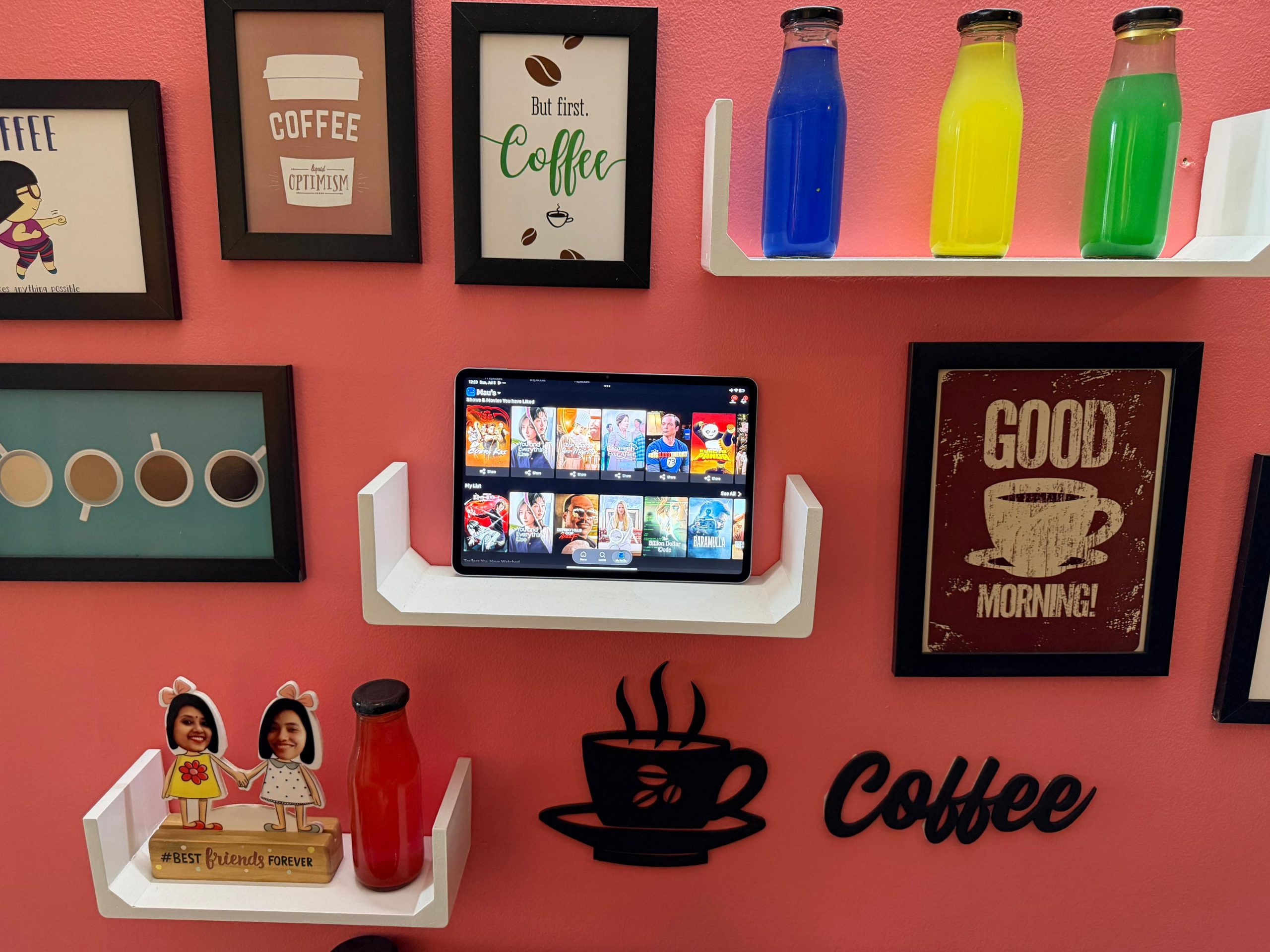
The Pad 8 supports the Wi-Fi 7 and Bluetooth 5.4 wireless connectivity. It’s fast to download large files on a compatible network and with today’s wireless controllers, latency in Bluetooth is essentially negligible.
The physical port is an USB-C 3.2 Gen1 port with clean wired display output to external monitors. One thing is missing here: cellular data, the Xiaomi Pad 8 is a Wi-Fi tablet. This might be a problem if you aren’t interested in finding local spots to go and never want to deplete your phone’s battery while on the go and on a train or off-site.
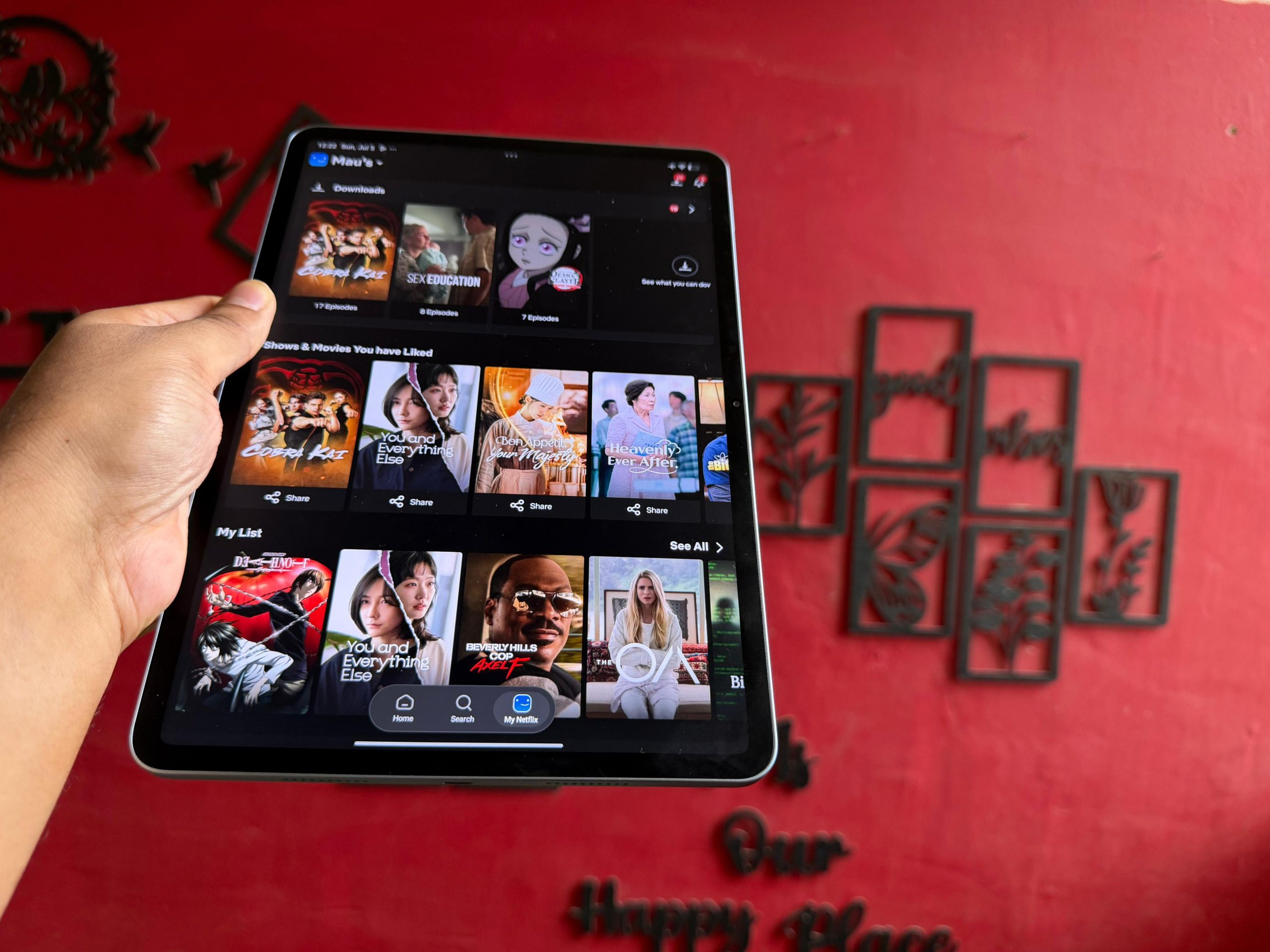
A responsive, side-mounted fingerprint scanner provides biometric authentication. There’s also a large array of sensors on the tablet, including an accelerometer, gyroscope, ambient light, proximity, hall effect (for the smart cover sleep/wake control), geomagnetic compass, and even an Infrared (IR) blaster. I often found myself using the tablet to cool the air conditioner with the Mi Remote app – a small but very useful feature for the tablet.
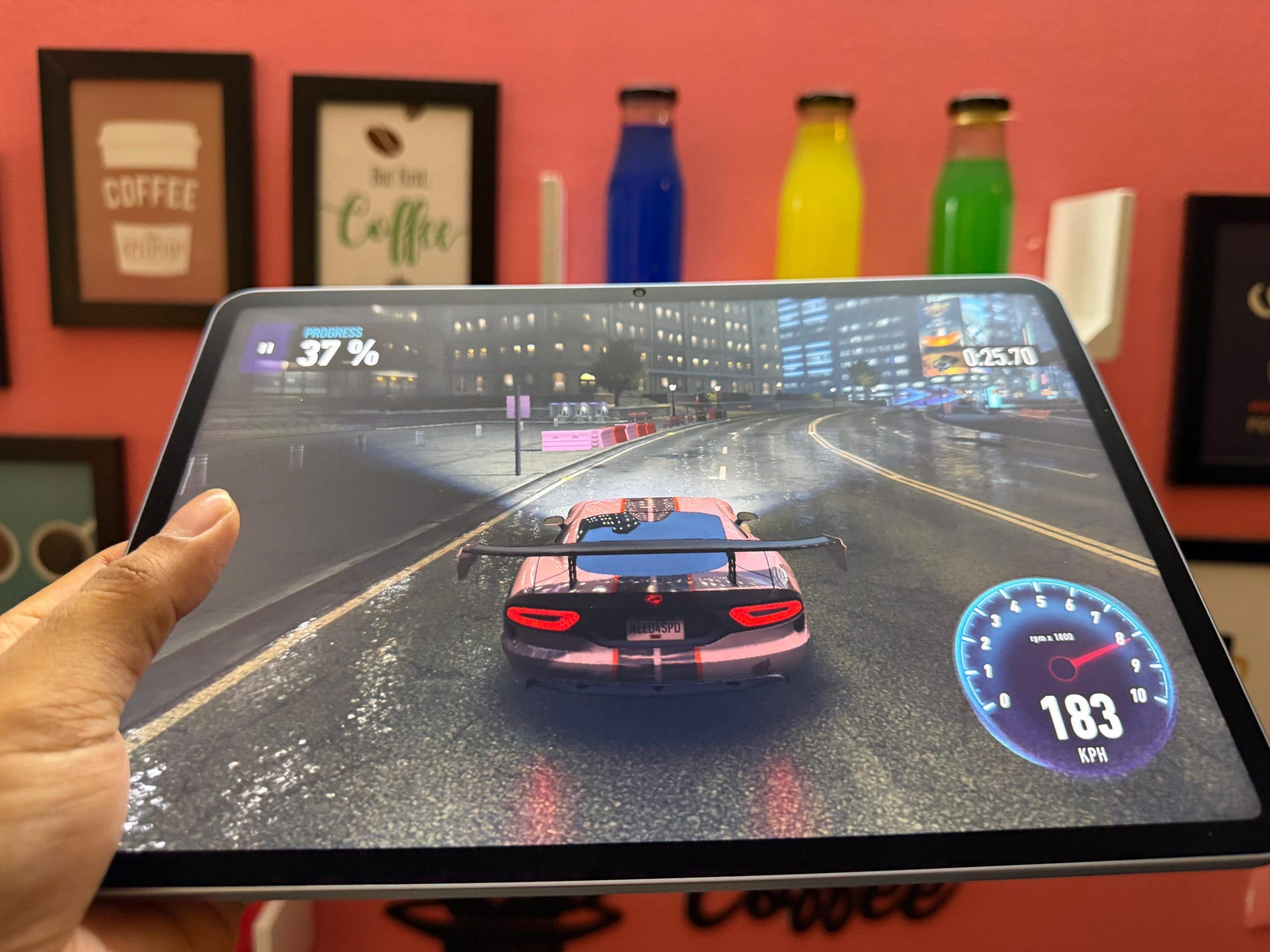
The headphones come with a powerful quad-speaker setup that has been Dolby Atmos and Hi-Res certified. It comes with a 4-mic array, which features AI noise reduction.
The sound profile is very, very broad and enveloping. The tracking of sounds on the chassis is very directional when viewing the action sequences. The microphones are excellent for removing low-frequency noises such as fans or traffic noise from an open window during video calls.
The camera setup is a 13MP shooter on the back and an 8MP sensor on the front which can capture up to 4K resolution video and up to 1080p resolution video respectively.
Tablet cameras are not usually cinematic, and neither are these. The rear 13MP camera is basic and will work well for scanning documents or receipts but will make photos taken in low light conditions look muddy. The 8MP front camera is perfectly aligned, so that eye contact is natural even when using Zoom for business.
Provides clean well-exposed feed when used under normal office illumination.
| Feature | Xiaomi Pad 8 (Rs. 33,999 – Rs. 38,999) | Samsung Galaxy Tab S10 Lite 5G (Rs. 34,499 – Rs. 38,999) | Lenovo Idea Tab Pro (Rs. 34,499 – Rs. 35,999) |
| Core Strength | Peak processing power & anti-glare screen | Cellular mobility & ecosystem longevity | Maximum screen real estate |
| Processor | Snapdragon 8s Gen 4 | Exynos 1380 | MediaTek Dimensity 8300 |
| Display | 11.2-inch 3.2K LCD (144Hz) | 10.9-inch TFT LCD (90Hz) | 12.7-inch LCD (144Hz) |
| Connectivity | Wi-Fi Only | Wi-Fi + 5G Cellular | Wi-Fi Only |
| Storage Expansion | None | MicroSD slot (up to 2TB) | MicroSD slot (up to 1TB) |
| In-Box Stylus | No (Focus Pen Pro costs Rs. 5,999) | Yes (S-Pen Lite included in box) | No (Stylus sold separately) |

Don't Miss Out the Latest Updates. Subscribe to Our Newsletter Today!