
Written By Shubham Arora
Published By: Shubham Arora | Published: Dec 13, 2025, 06:05 PM (IST)


Written By Shubham Arora
The Unique Identification Authority of India (UIDAI) has updated its Aadhaar regulations, bringing in a new digital identity format called the Aadhaar Verifiable Credential (AVC). The move is aimed at strengthening offline verification while letting users share only limited personal information when needed. The amendments to the Aadhaar (Authentication and Offline Verification) Regulations, 2021, were notified on December 9 and posted on the UIDAI website on Friday. The revised rules also streamline the process for entities that verify Aadhaar details without real-time access to UIDAI’s servers.  Also Read: I lost my Aadhaar Card, and here’s exactly 2 things that I did quickly
The AVC is now part of the officially approved methods for offline Aadhaar verification. As per the updated rules, AVC is a digitally signed document issued by UIDAI that may include the last four digits of the Aadhaar number along with demographic details such as name, address, gender, date of birth, and photograph. Users will have full control over what information they choose to share with an Offline Verification Seeking Entity (OVSE) during verification. Also Read: How to add mobile number or email to Aadhaar Card: step-by-step guide
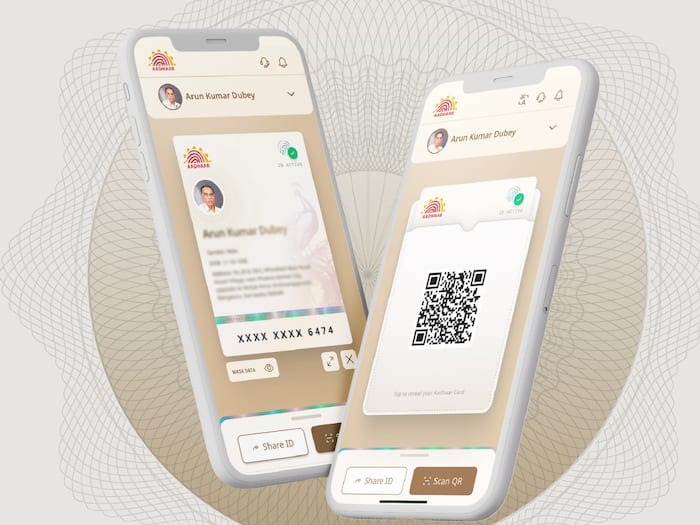
As per an HT report, the upcoming Aadhaar mobile app – currently under testing – will allow users to selectively share details with OVSEs, offering a more privacy-focused approach than sharing photocopies of Aadhaar cards. Also Read: I lost my Aadhaar Card, and this quick process helped me get a duplicate one
The amendments also bring in a new feature called Offline Face Verification, allowing entities to verify a person’s identity by matching a live photo with the Aadhaar image stored in the app. UIDAI has additionally updated the definition of “Aadhaar Application” to include all official apps and portals, removing earlier references to the mAadhaar app.
The updated regulations introduce a structured registration process for OVSEs. A new clause, Regulation 13A, states that any entity seeking to conduct Paperless Offline e-KYC or AVC-based verification must apply to UIDAI for approval. While this system is optional, UIDAI officials say it will help organisations shift to digital verification instead of relying on physical Aadhaar copies.

The framework empowers UIDAI to verify applications, request additional documents, charge registration and usage fees, and take action against entities that misuse offline verification. If an application is rejected, UIDAI must inform the entity within 15 days, and applicants can request reconsideration within 30 days.

Don't Miss Out the Latest Updates. Subscribe to Our Newsletter Today!