Written By Samvid Ummat
Edited By: Samvid Ummat | Published By: Samvid Ummat | Published: Jun 15, 2026, 09:58 AM (IST)


Written By Samvid Ummat
Most TV brands today are obsessed with specifications. You’ll hear about MiniLED, AI processors, quantum dots, gaming modes, HDR certifications and dozens of other buzzwords. But after using enough smart TVs over the years, I’ve realized that one thing matters more than most of those features.
How does the TV feel when you actually use it every day? And that’s exactly where the Lumio Vision 9 (55-inch) 2026 surprised me.  Also Read: Lumio Vision 9 55-inch (2026) First Impressions: Still One of the Fastest Google TVs Around
Because while the QD MiniLED panel, gaming features and Dolby Vision support are all impressive, the biggest strength of this TV isn’t the display. It’s the speed.
Also Read: Xiaomi TV FX Mini LED TVs launching in India on June 4 alongside Xiaomi 17T: Key features revealed
Speed was already one of Lumio’s biggest strengths last year. The 2026 Vision 9 doesn’t reinvent that formula. Instead, it improves it. Also Read: Lumio Vision 9 (2026), Vision 7 (2026) launched in India: Price, specs, sale date
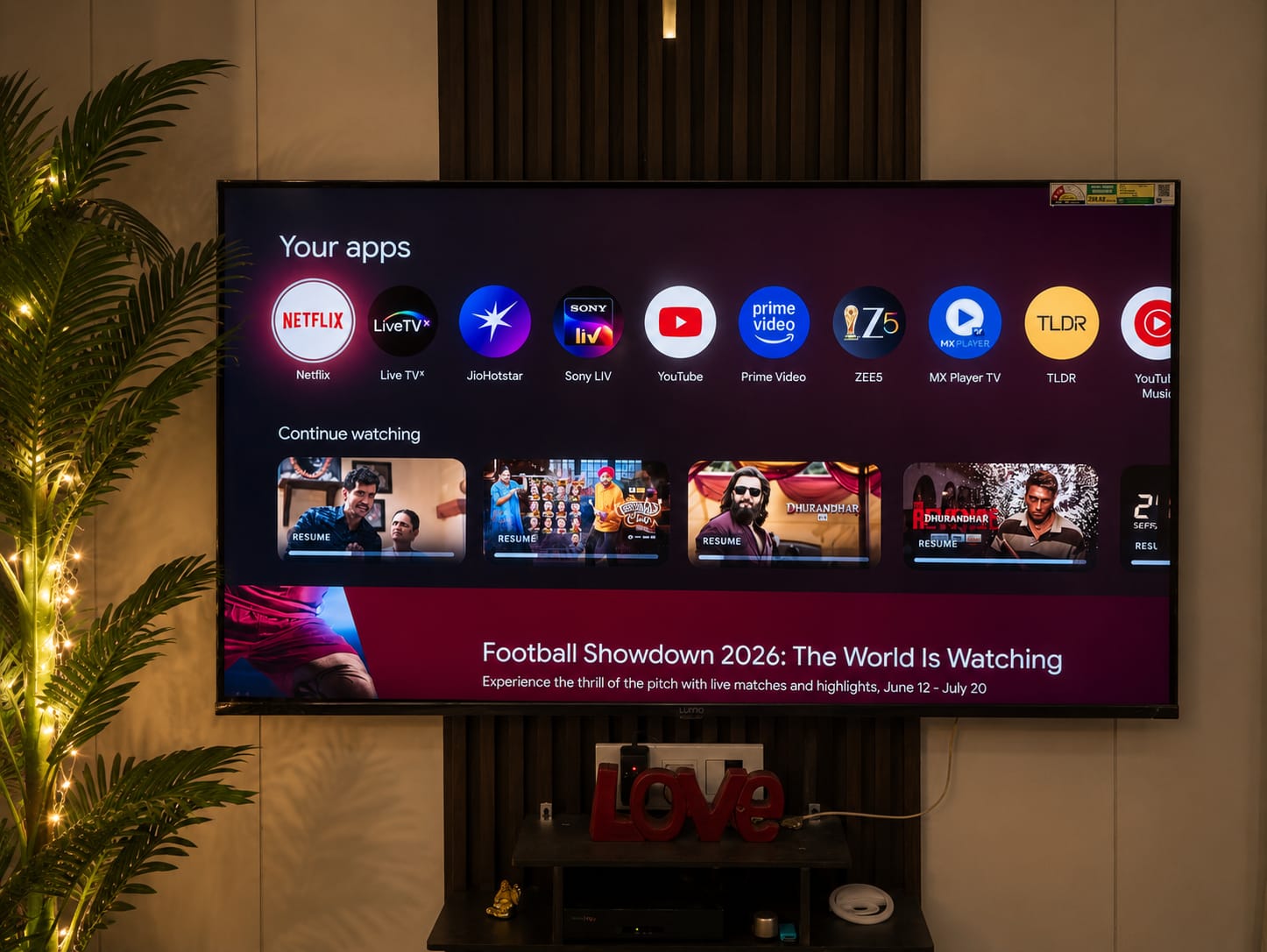
The TV is powered by MediaTek’s Pentonic 700 processor paired with 3GB DDR4 RAM and 64GB storage. On paper, those numbers may not sound exciting. In actual usage, however, the difference is immediately noticeable. Apps launch quickly. Menus respond instantly. Switching between streaming platforms feels smooth.
Even simple actions like opening settings, changing inputs or waking the TV from standby happen noticeably faster than on most Google TVs in this price segment. That may sound like a small thing, but if you’ve ever used a sluggish smart TV, you’ll understand how much it improves the overall experience.
Lumio has kept the design simple. Slim bezels surround the display, branding is minimal and the overall aesthetic feels clean enough to fit into almost any living room setup.
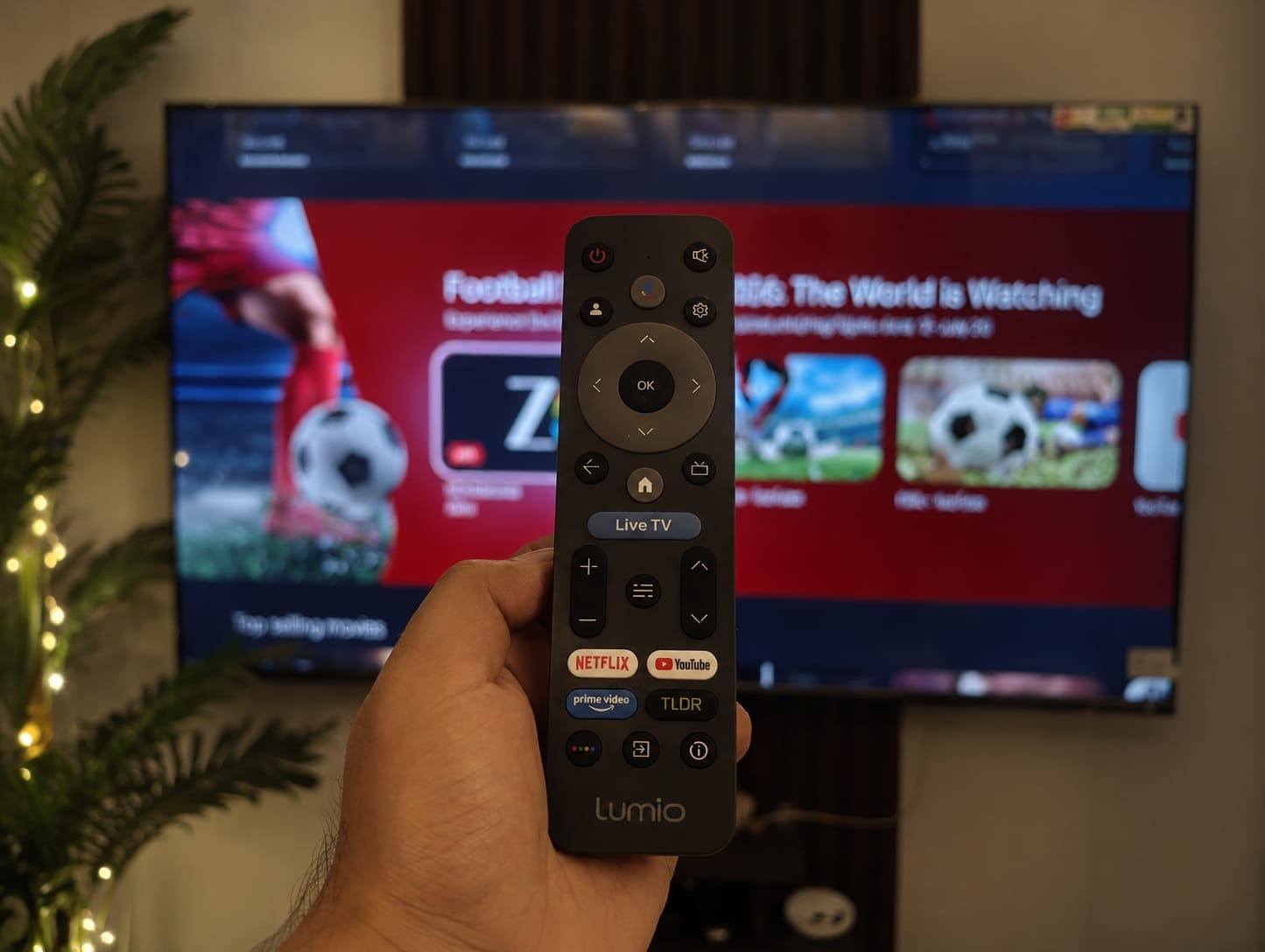
The included remote is also one of the better ones I’ve used lately. It feels solid, the button layout is sensible and you get dedicated shortcuts for Netflix, Prime Video, YouTube and Lumio’s own TLDR platform. There’s even a dedicated Info button that displays streaming bitrate information, which enthusiasts will appreciate.
The Lumio Vision 9 uses a 55-inch QD MiniLED panel with native 4K resolution and support for refresh rates up to 144Hz. And honestly, this display is very easy to like.
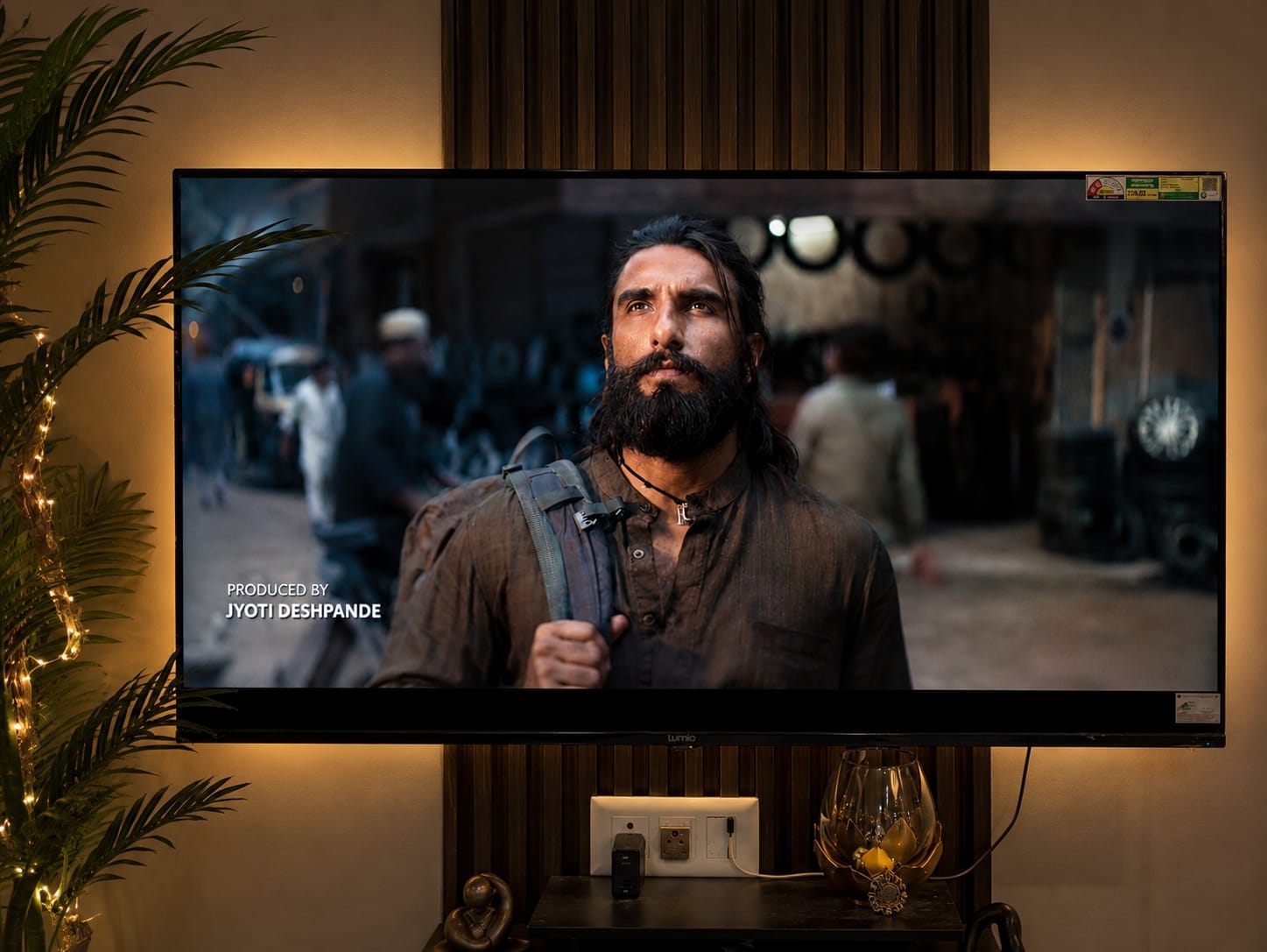
The VA panel delivers excellent black levels, strong contrast and impressive HDR performance. Dark scenes look properly dark without appearing washed out, while bright highlights have enough punch to make HDR content look impactful.
Lumio claims peak brightness of around 800 nits and in real-world viewing, that feels accurate. Whether I was watching movies during the evening or sports during daytime, visibility was never a problem. What impressed me more was the color tuning. Many TVs in this segment tend to oversaturate colors to look impressive in showrooms. The Vision 9 takes a more balanced approach. Colors look vibrant without becoming unnatural, and skin tones remain surprisingly accurate.
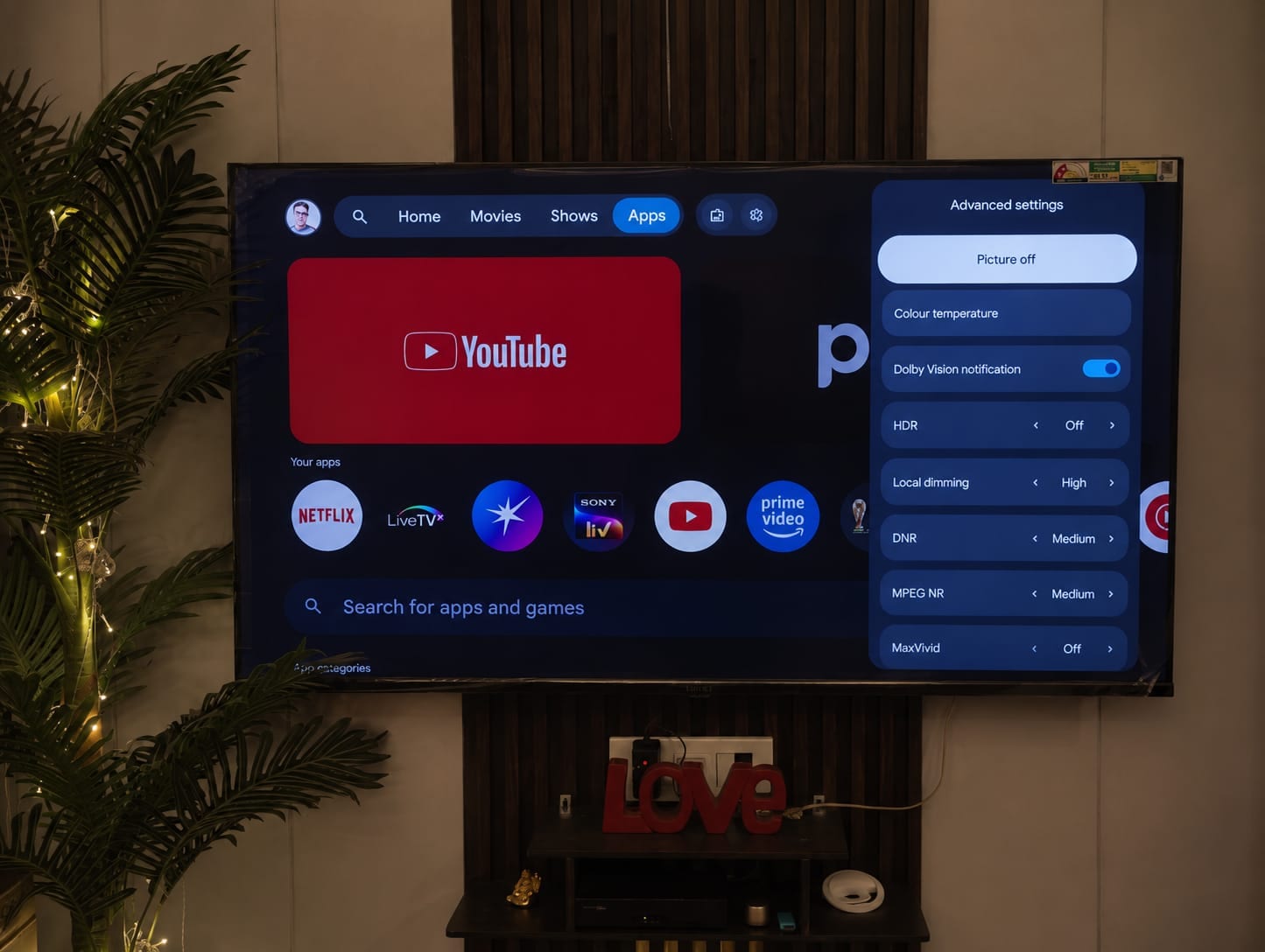
If anything, some users might actually find the default Vivid mode slightly conservative. I personally preferred the more natural presentation, but those who enjoy extremely punchy colors may want to tweak the settings.
Gaming is clearly a major focus for Lumio.
The TV supports HDMI 2.1, Variable Refresh Rate (VRR), Auto Low Latency Mode (ALLM), 4K at 144Hz for PC gaming and up to 4K 120Hz for modern consoles like the PS5 and Xbox Series X.
The ability to push up to 240Hz at lower resolutions is another nice bonus for PC gamers.
For most users, this TV offers far more gaming capability than they’ll realistically need.
One of Lumio’s biggest differentiators is its custom TLDR platform. Initially, I assumed it would be another unnecessary software layer.
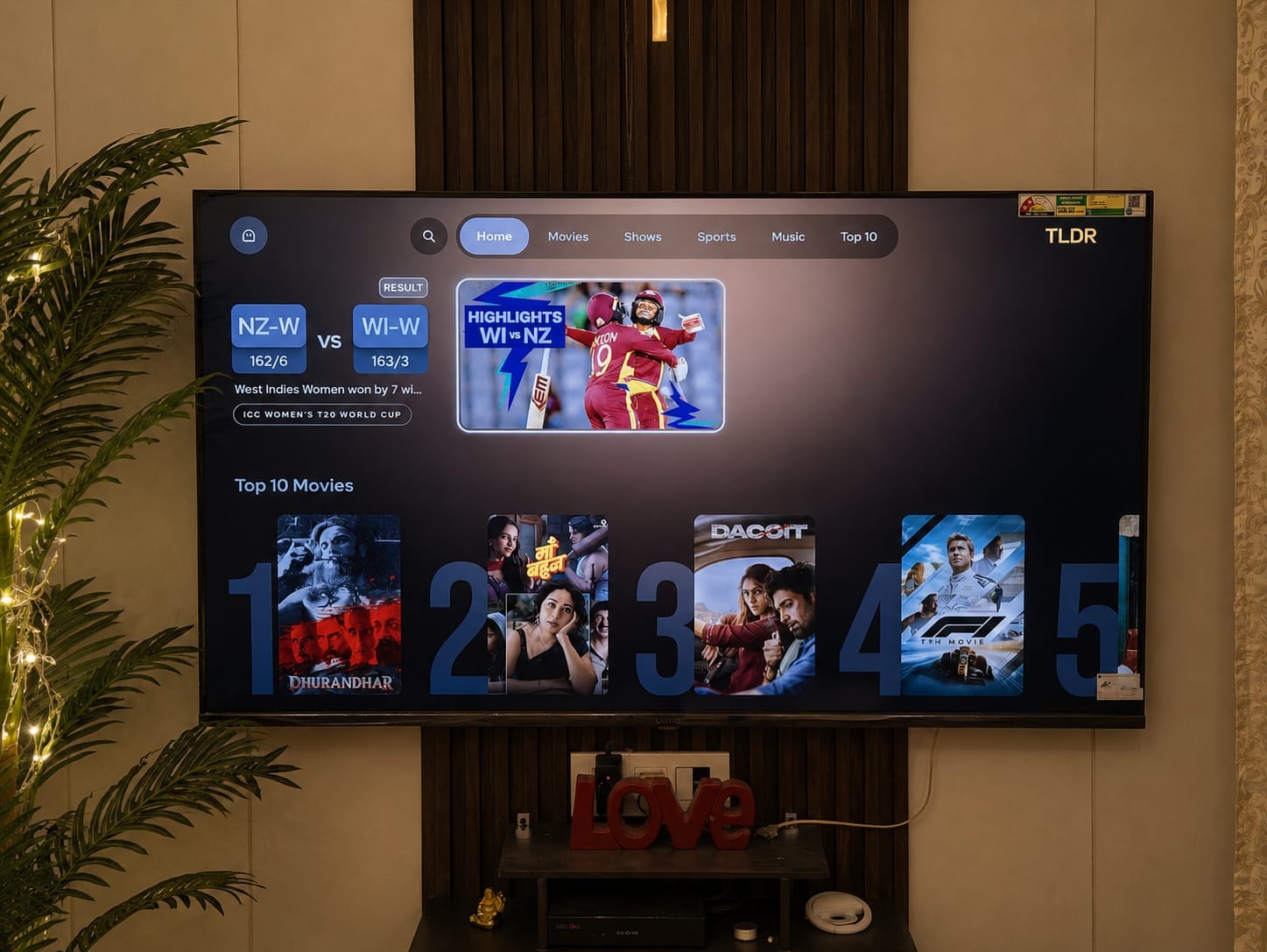
Thankfully, it’s much more useful than that. Instead of forcing users to jump between multiple streaming apps, TLDR acts as a content discovery platform that aggregates recommendations from Netflix, Prime Video, Disney+ Hotstar, YouTube and other services.
The categorization is surprisingly detailed too. Whether you’re looking for specific genres, sports content, trending music or new releases, everything feels organized in a way that makes discovery easier. The only limitation I noticed is that TLDR currently lacks voice search support. You’ll need to manually type queries, which feels slightly outdated compared to the rest of the experience.
The 55-inch Vision 9 uses a 24W quad-driver speaker setup with Dolby Atmos support.
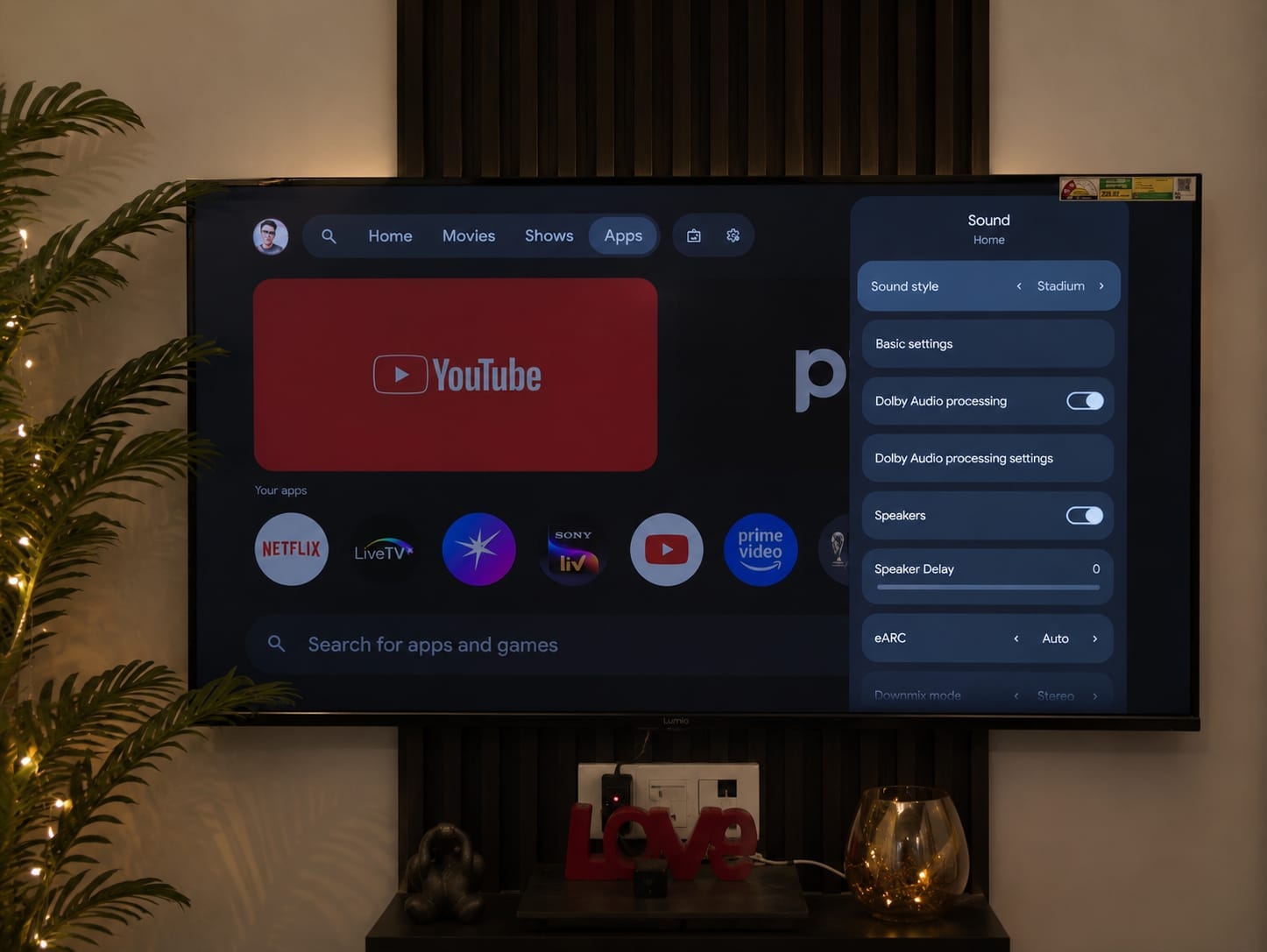
For everyday usage, it’s perfectly good. Dialogue remains clear, vocals are easy to understand and the TV gets sufficiently loud without introducing noticeable distortion.
However, this is also one area where the larger 65-inch model has a clear advantage. Because the 55-inch variant doesn’t include dedicated subwoofers, bass response lacks some of the depth and impact available on its bigger sibling.
For casual viewers, this won’t be a problem. But if you’re someone who watches a lot of action movies or wants a more cinematic experience, a soundbar would still be worth considering.
Lumio hasn’t cut corners on connectivity either.
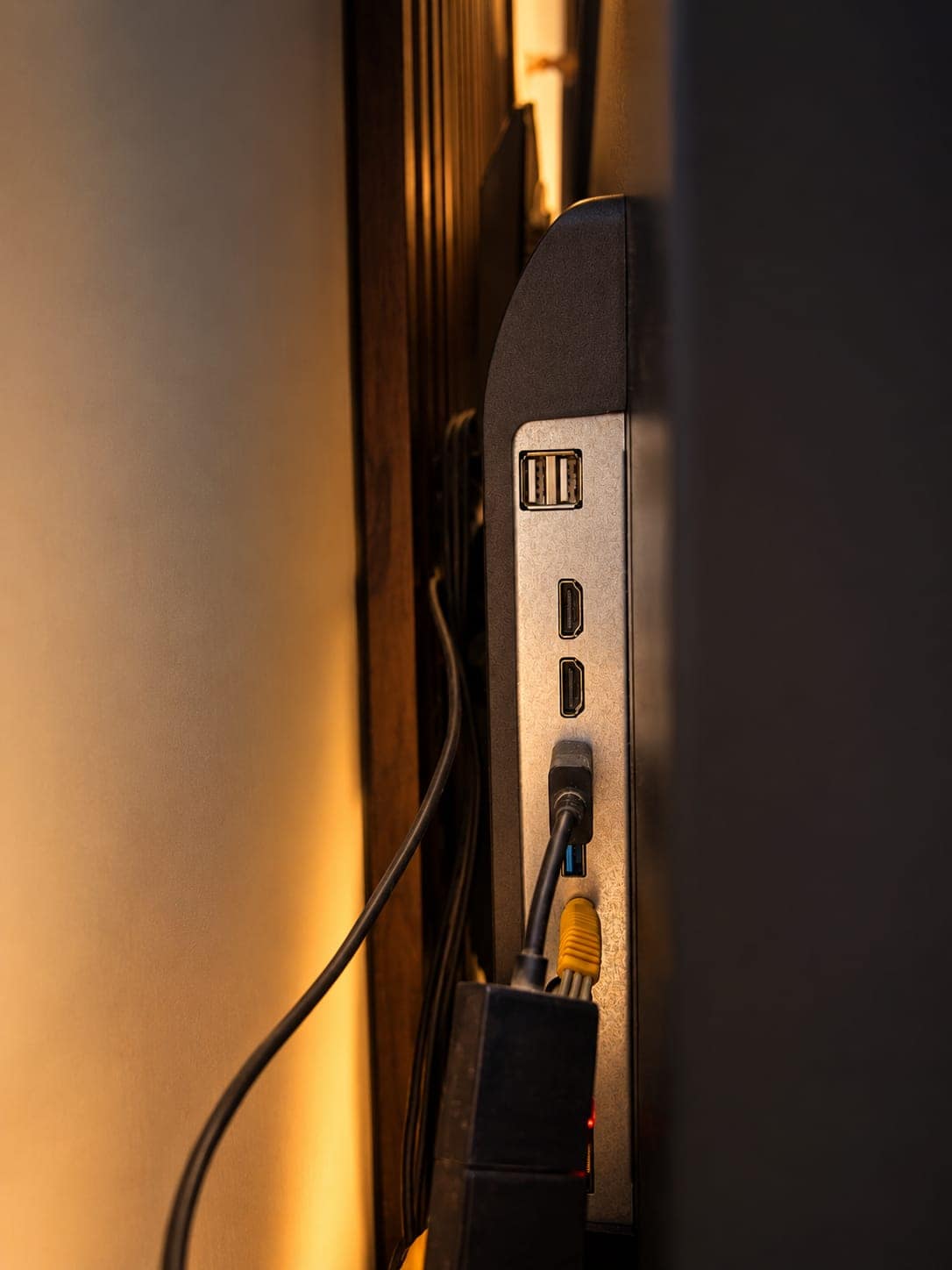
You get multiple HDMI ports with HDMI 2.1 and eARC support, along with Ethernet, SPDIF audio out, a 3.5mm audio jack, satellite and cable inputs, a USB 3.0 port, two USB 2.0 ports, and a Mini AV input for legacy devices. Whether you’re connecting a PS5, Xbox, soundbar, streaming box or external storage, the Vision 9 offers enough flexibility for most modern entertainment setups.
The Lumio Vision 9 (55-inch) 2026 gets something right that many smart TVs still struggle with.
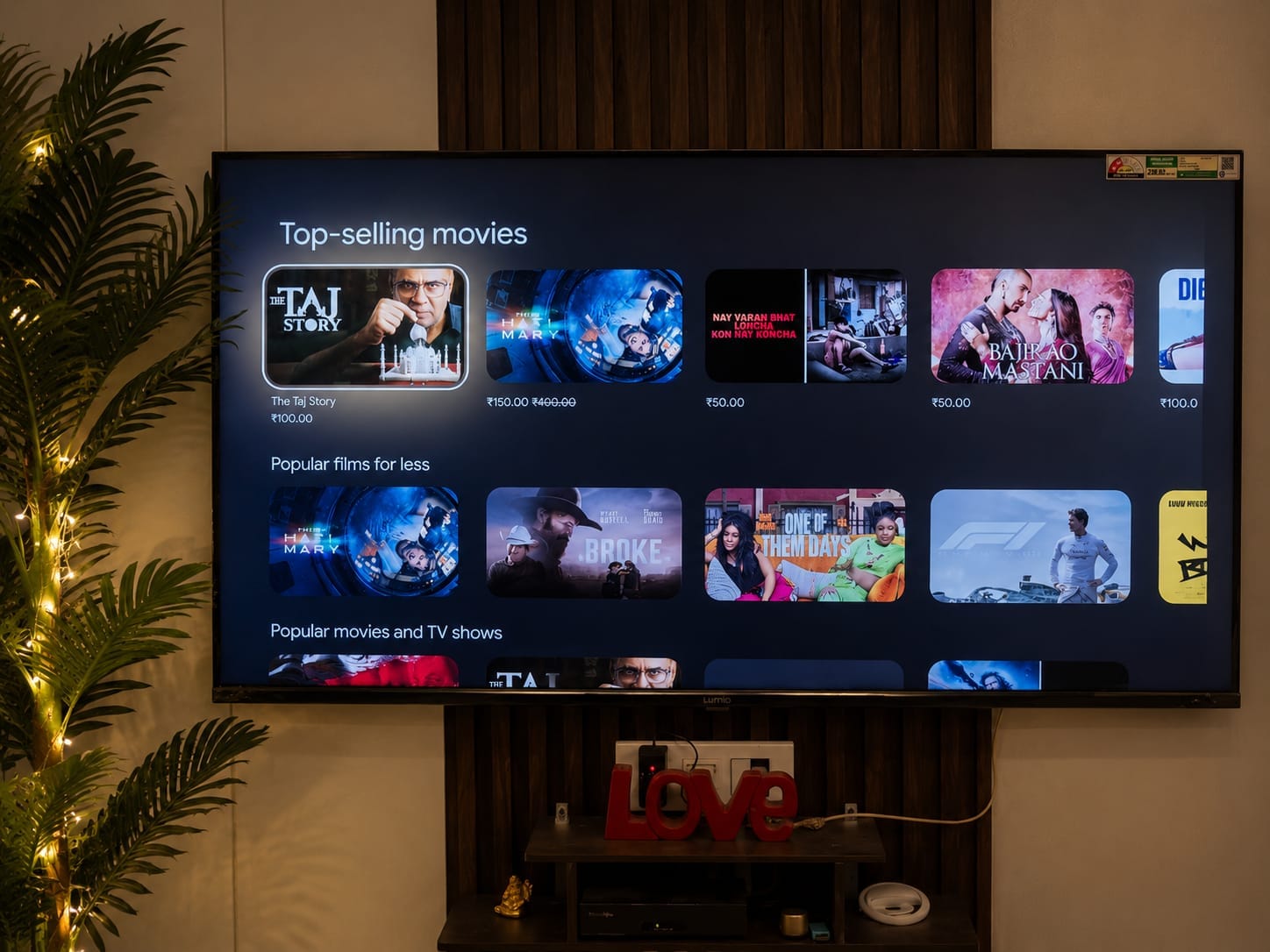
It feels enjoyable to use. The display is excellent, gaming support is comprehensive, the software experience is genuinely useful and the overall performance is among the fastest I’ve experienced in this category. More importantly, Lumio hasn’t relied purely on specifications to stand out. The company has clearly spent time optimizing the actual user experience, and that effort shows.

At its introductory price of ₹44,999 and regular price of ₹51,999, the Vision 9 delivers a level of performance and usability that makes many more expensive TVs feel surprisingly outdated.

Don't Miss Out the Latest Updates. Subscribe to Our Newsletter Today!