Written By Divya


 UPI Charges Explained: Will Customers Have To Pay For Using UPI?
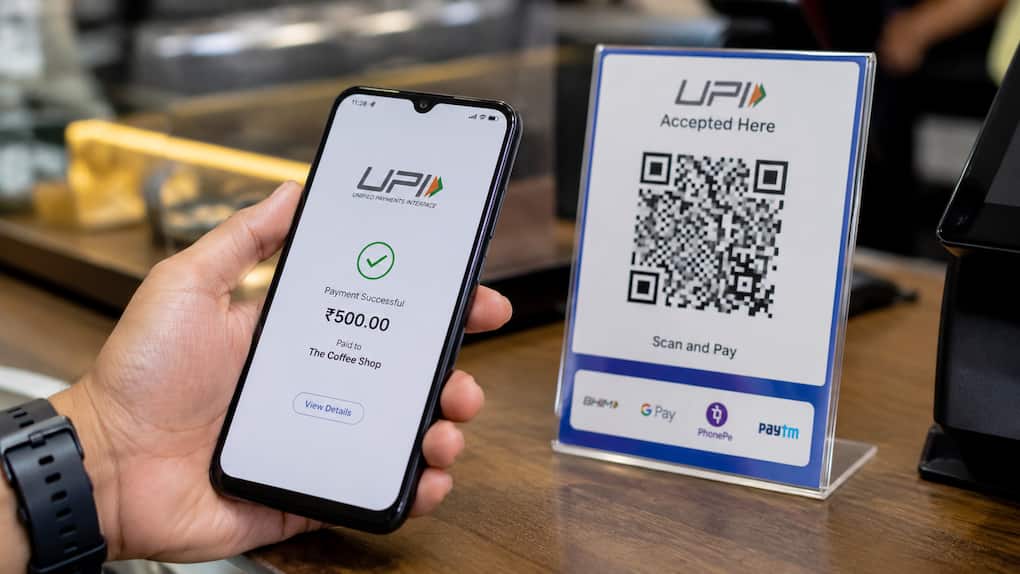
UPI, Unified Payments Interface, has become a part of our daily life. Whether it is about buying something online, ordering food or even buying vegetables, the ease of scanning the QR code and simply making the payments in a jiffy. But what if you have to pay for using your UPI apps such as PhonePe, GPay, Bhim, Paytm, and others? This may not sound pleasing but there has been a lot of discussion around it.
This comes after the government proposed changes to the Payments and Settlement Systems Act, which regulates and supervises all the payments in the country. If you use UPI regularly, you may have come across reports suggesting that users could soon have to pay a fee for transactions above a certain amount.
But that isn’t what the government has said.
According to the latest clarification, UPI will continue to remain free for consumers. Any Merchant Discount Rate (MDR), if introduced in the future, would apply only to a limited set of merchant transactions.
The short answer is no, not for regular UPI payments. The government has clarified that consumers making payments through UPI will not be charged a transaction fee. Person-to-person (P2P) transactions will also continue to remain free. So, if you’re sending money to a friend, paying your rent or making a regular UPI payment, there is currently no proposal to charge you for using UPI.
The proposed changes are mainly about how merchants could be charged for processing certain UPI payments.
The government is considering a framework that could allow MDR to be introduced on a limited set of merchant transactions. Reports have suggested that transactions above Rs 2,000 could be considered for such a charge, particularly for larger merchants. One proposal discussed a fee of around 0.3% to 0.5%, although this is not a final rate.
Importantly, this does not mean that every UPI payment above Rs 2,000 will automatically attract a fee. The government has said that if MDR is introduced, it would be threshold-based and limited to certain merchant transactions, rather than being applied across all UPI payments.
If MDR is introduced, the charge would be paid by merchants to banks and payment service providers, rather than directly by consumers. The government has also said that the vast majority of UPI transactions will continue to remain free for merchants. The exact structure, including whether an MDR will be introduced and what the applicable rate will be, is yet to be decided.
UPI has grown significantly since its launch and now handles billions of transactions every month. According to the government’s latest figures, UPI processed 2,366 crore transactions worth Rs 29.9 lakh crore in July 2026. With transaction volumes continuing to increase, payment companies and banks need to invest in infrastructure, cybersecurity and fraud prevention.
The government says the proposed amendment is intended to create a more sustainable model for UPI instead of relying entirely on subsidies.
However, the amendment itself does not immediately introduce an MDR charge. Once Parliament passes the proposed legislation, the UPI and Services Steering Committee headed by NPCI will decide on the MDR, if any.
For now, no. There is no blanket charge being introduced for consumers using UPI. Person-to-person payments will remain free, and any future MDR would target a limited set of merchant transactions.

So, if you’re using UPI to make your everyday payments, you don’t need to start looking for an alternative just yet.