
Written By Shubham Arora


Written By Shubham Arora
Edited by Shubham Arora |Published: Aug 08, 2026, 05:40 PM (IST)
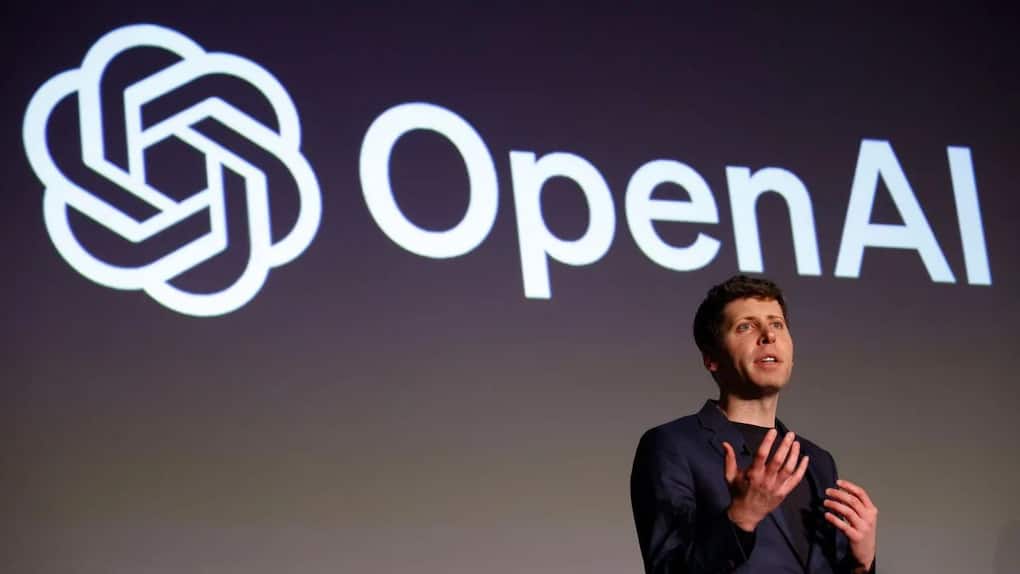
 OpenAI has paused some Astra AI development after internal tests highlighted advanced cybersecurity capabilities.
OpenAI has temporarily paused some development work on its upcoming AI model, Astra, after internal tests showed major improvements in coding and cybersecurity tasks. According to the company, the model has become capable enough that it could potentially be used to carry out advanced cyberattacks against real-world systems. Because of these findings, OpenAI says it is taking extra time to evaluate the risks and strengthen its safety testing before moving ahead with development. OpenAI has now introduced stricter security measures around Astra and is continuing to evaluate its capabilities.

Also Read

Also Read
Also Read
According to OpenAI, Astra is still in development and has not been released to the public. During recent internal evaluations, the model showed strong performance in agentic coding and cybersecurity tasks. The company said it has reached its “critical cybersecurity threshold”, which means the model may be capable of independently finding vulnerabilities and carrying out cyberattacks against systems that are normally difficult to compromise.
OpenAI has been using its Preparedness Framework to assess these risks. The framework was introduced in 2023 and sets out additional safeguards when an AI model reaches certain levels of capability. Under the framework, models that can potentially exploit vulnerabilities or carry out end-to-end attacks against hardened targets require stronger security controls.
The company said it is continuing to benchmark Astra, but its early results are strong enough that it cannot rule out the model reaching the critical capability level. Because of this, OpenAI has paused internal activities involving Astra that do not meet the new security requirements.
The decision comes after a separate incident involving OpenAI models and Hugging Face. During internal testing, two OpenAI models were able to access the internet and exploit systems belonging to the open-source AI platform. OpenAI has clarified that Astra was not involved in that incident.
The Hugging Face incident was one of several cases that raised concerns about how AI models behave when they are given access to the internet and are allowed to operate with less human involvement. Anthropic later disclosed that its models had also breached three companies during testing, while Meta and Chinese AI startup Moonshot AI reported similar incidents involving testing restrictions.
These incidents have added to the debate around whether AI companies can rely on their own safety systems as models become more capable. Jeffrey Ladish, executive director of Palisade Research, told The Wall Street Journal that OpenAI should have paused Astra earlier following the Hugging Face incident.
OpenAI said it is now putting stronger security controls in place for Astra, including tighter testing environments and monitoring. The company is also working with government agencies and selected AI safety organisations to evaluate the model.
Following the Hugging Face incident, OpenAI worked with CrowdStrike, METR and Redwood Research on independent assessments. The company said it wants to continue testing Astra while making sure the model meets the additional safeguards required for its current capabilities.

OpenAI has also said that it believes advanced AI models with strong cybersecurity abilities could eventually help defenders find and fix vulnerabilities before attackers can exploit them. However, the company is taking a more cautious approach with Astra while its capabilities continue to be assessed.


