Written By Divya
Published By: Divya | Published: May 26, 2026, 05:12 PM (IST)
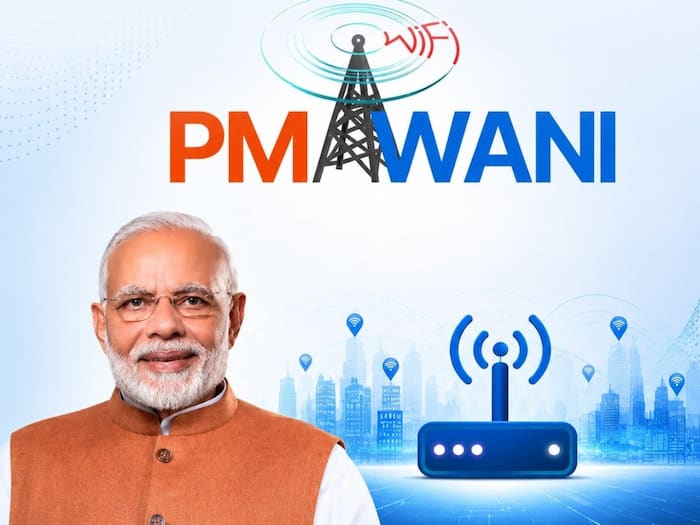
 PM-WANI Gets Simpler With QR-Based Wi-Fi Login for Laptops (Image Credits: DD News)


Written By Divya
We always find public Wi-Fi networks at common places such as railway stations, airports, cafes and even malls. But we all know that connecting with them has been a challenge. It takes you to the long login pages, OTP delays and then those confusing hotspot names are like fuel to the fire! It has always been irritating. Now, the Indian government is trying to simplify that experience under the PM-WANI programme.  Also Read: Aadhaar linked to multiple bank accounts? Here's how to check
The Department of Telecommunications (DoT) has announced a latest set of upgrades for PM-WANI, including QR-code-based login for laptops and secondary devices, shorter internet plans, and standardised hotspot names. Also Read: No more CAPTCHA? Google’s new QR scan verification may change how websites verify you
PM-WANI stands for Prime Minister’s Wi-Fi Access Network Interface. It was launched under the Digital India initiative to expand affordable public internet access across the country. Instead of depending only on expensive mobile data or broadband, the idea is to create a large ecosystem of public Wi-Fi hotspots that people can access easily in public places. Also Read: PM Modi suggests work from home again: Could bring laptops, Wi-Fi routers and video calling apps back into focus
The system works through local Public Data Offices (PDOs), app providers, and Wi-Fi operators who collectively provide internet connectivity. In simple words, PM-WANI is India’s attempt to make public Wi-Fi as accessible as mobile recharge shops.
The biggest update is the new QR-based authentication system. Earlier, connecting a laptop to PM-WANI hotspots could involve lengthy login procedures or repeated credential entries. Now, you will be able to scan a QR code through an authenticated smartphone app and quickly connect secondary devices like laptops or tablets. According to the government, this should speed up access to public Wi-Fi.
Another noticeable change is the introduction of short-duration “sachet-style” internet plans:
These plans are being recommended especially for places like railway stations, malls, transit hubs, and campuses where you may only need temporary internet access.
If you have ever accidentally connected to suspicious public Wi-Fi networks, this next part matters. The DoT is now standardising hotspot names using PM-WANI branding so you can identify authentic and trusted public networks more easily. That may sound small, but it helps reduce confusion in crowded places where dozens of Wi-Fi networks appear together.
The Department of Telecommunications has directed PM-WANI stakeholders to implement the updated guidelines within eight weeks from the circular issue date. That means these features are expected to become operational across the ecosystem by around July 2026.

India already has one of the world’s largest internet user bases, but affordable and reliable connectivity still remains uneven in many areas. PM-WANI may not completely replace mobile data anytime soon, but these updates show that the government wants public Wi-Fi to become more usable — not just available on paper.

Don't Miss Out the Latest Updates. Subscribe to Our Newsletter Today!