Written By Deepti Ratnam
Published By: Deepti Ratnam | Published: Jul 17, 2026, 11:39 AM (IST)
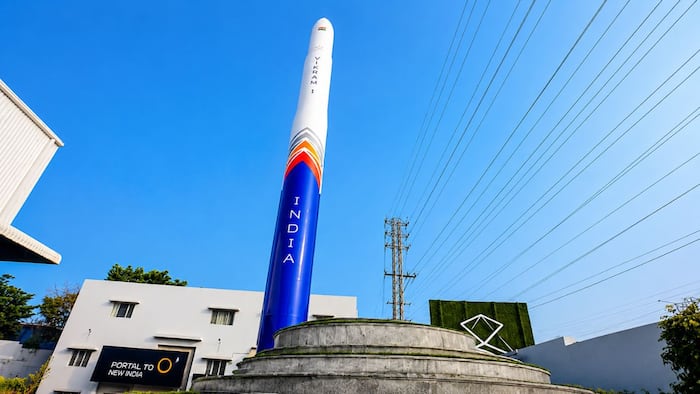
 Vikram-1 set to mark India's private space milestone on July 18


Written By Deepti Ratnam
India is sailing towards achieving another milestone in its space journey. The Skyroot Aerospace’s Vikram-1, which is country’s first privately developed orbital rocket is all set for its test flight on 18 July, 2026. The launch is named Mission Aagaman, will take place from the First Launch Pad at the Satish Dhawan Space Centre, Sriharikota. The event will take place at 11:30 AM IST.  Also Read: ISRO changes resignation policy as more than 100 scientists reportedly exit
What stands out is that Vikram-1 is India’s first privately developed Indian rocket, which is designed to place satellites into orbit. The mission follows the successful launch of Vikram-S, which is country’s first private suborbital rocket. This rocket reshaped Indian space in November 2022. Also Read: ISRO to launch new meteorological satellite INSAT-3DS into orbit on February 17
As per Skyroot Aerospace, the flight will generate valuable data or propulsion, control systems, stage separation, vehicle performance, navigation, and guidance. All these together helps the cokpamy prepare for future commercial launches. Also Read: ISRO plans crucial test for Gaganyaan crewed mission by October
Pawan Kumar Chandana, co-founder and CEO of Skyroot, said, the launch is a game-changer moment in India’s space journey and is the starting point of the company’s vision of bringing space closer to the people.
Preparations for launch is completed
Highlights from Skyroot Aerospace:
India’s first private rocket developed in the country.
In the launch mission, select Mission: Aagaman.
The launch site is Satish Dhawan Space Centre, Sriharikota’s First Launch Pad.
The rocket is seven-story high in multi-stage launch.
The maiden mission will carry technology demonstration payloads from Indian and international organisations, which are four in number.
These include:
Micro-scientific gold sculptures of the great Indian scientists Sir C.V. Raman, Dr. Vikram Sarabhai and Dr. A.P.J. Abdul Kalam, each smaller than a grain of rice, as well as Cosmos Diamonds’ artwork “Cosmic Bloom” will also be taken on the mission.
Vikram-1 is designed for launching small satellites up to 350 kg in Low Earth Orbit. The re-usable technologies and in-house propulsion systems are likely to bring down the cost of launches and boost the private space industry in India.
The data gathered from the first mission will be used to tweak future launch vehicles and set up a regular commercial launch schedule, Skyroot says.
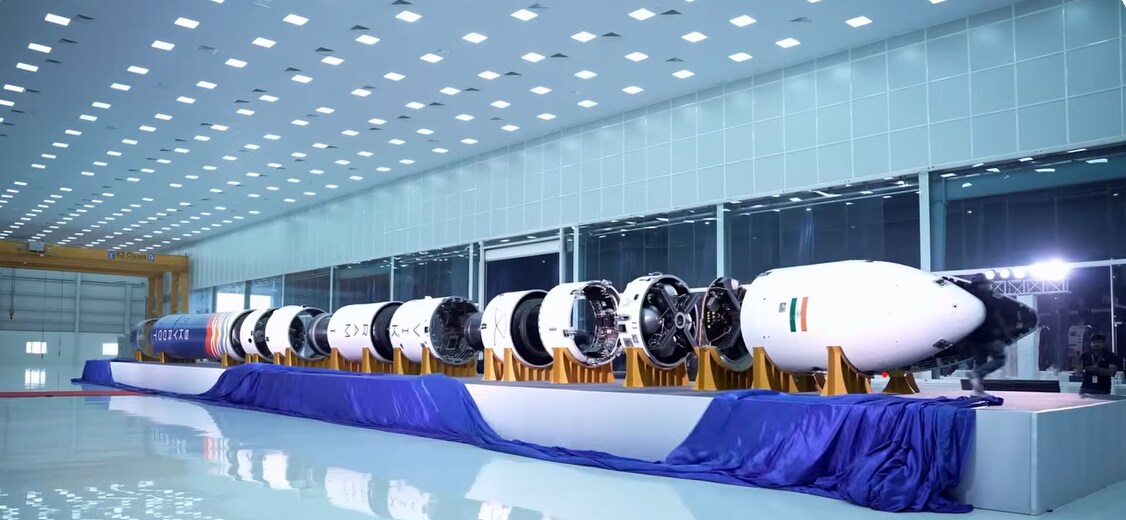
Mission Aagaman is a first of its kind initiative by India’s private sector in the global launch industry. The rocket represents the hard work of “nearly 1000 people, more than 400 suppliers and almost 3,000 days of effort,” said Naga Bharath Daka, co-founder and COO at Skyroot.

If Vikram-1 successfully launches, it will be another milestone for India’s fast-growing private space industry and help the nation carve a niche in the commercial space market.

Don't Miss Out the Latest Updates. Subscribe to Our Newsletter Today!