
Written By Deepti Ratnam
Published By: Deepti Ratnam | Published: Mar 27, 2026, 09:20 PM (IST)
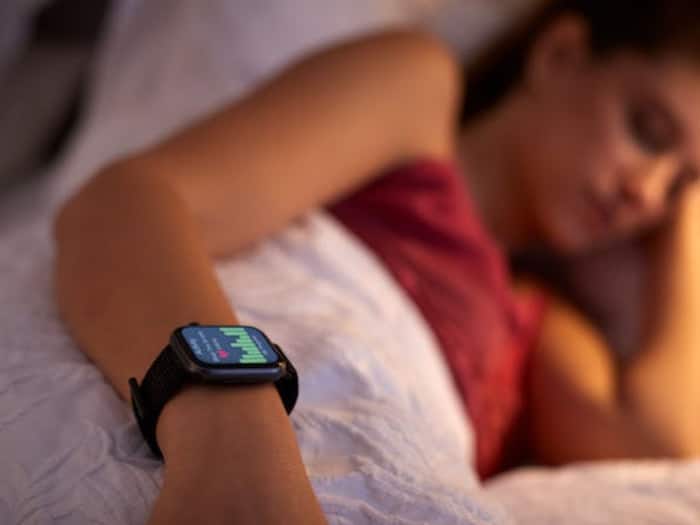
 Sleep tracking apps might be wrong


Written By Deepti Ratnam
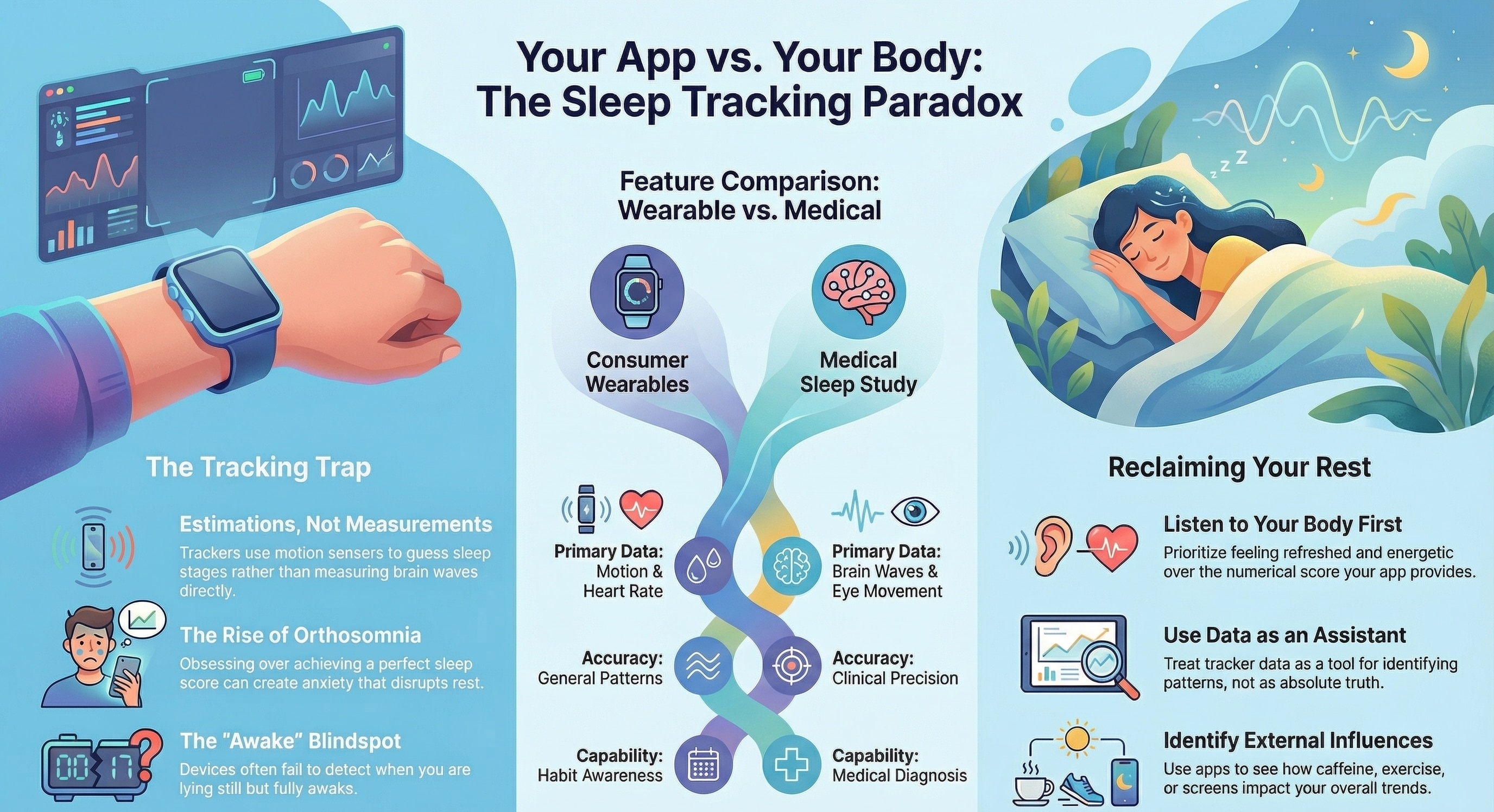
Sleep has remained to be one of the most natural aspects of human existence. Even before there were apps, wearables, and smartwatches, individuals used their bodies to inform them that they were tired and that they had rested sufficiently. Now that basic feeling is gradually being overruled by figures, charts and sleep ratings.  Also Read: Samsung Galaxy Watch 8 Review: A New Standard for Android Smartwatches
Millions of people now wake up not only feeling they slept–but checking their sleep with the new sleep tracking apps and wearable devices. It is no longer the question of whether I slept well but what my app says of my sleep?
This shift is beneficial in theory, though it leads to another, more fundamental issue, and that is whether we are enhancing our sleep or merely monitoring it.
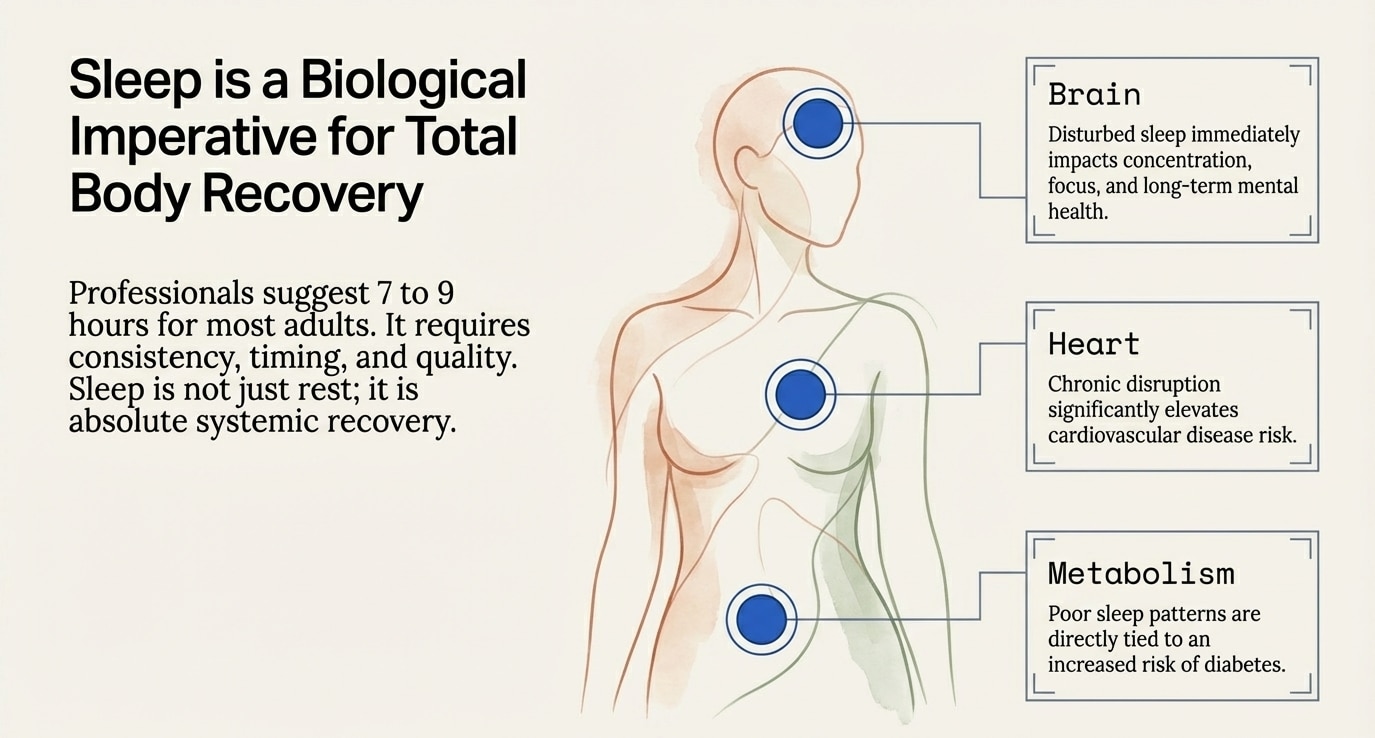
Sleep is not optional. It is a fundamental biological requirement impacting nearly all body systems.
Professionals suggest approximately 7 to 9 hours of sleep for the majority of adults. It is not only about striking a figure. Consistency, timing and quality also determine good sleep. Disturbed or disrupted sleep may cause fatigue, lack of concentration, and long-term health problems such as heart disease, diabetes, and mental health problems.
Put simply, it is not only rest that is involved in sleep but also recovery.
Sleep tracking has become a much larger trend as individuals are now employing technology to track their health. Smartphones, smartwatches and fitness bands have simplified the process of tracking steps, heart rate, calories and currently sleep.
But sleep is not that simple.
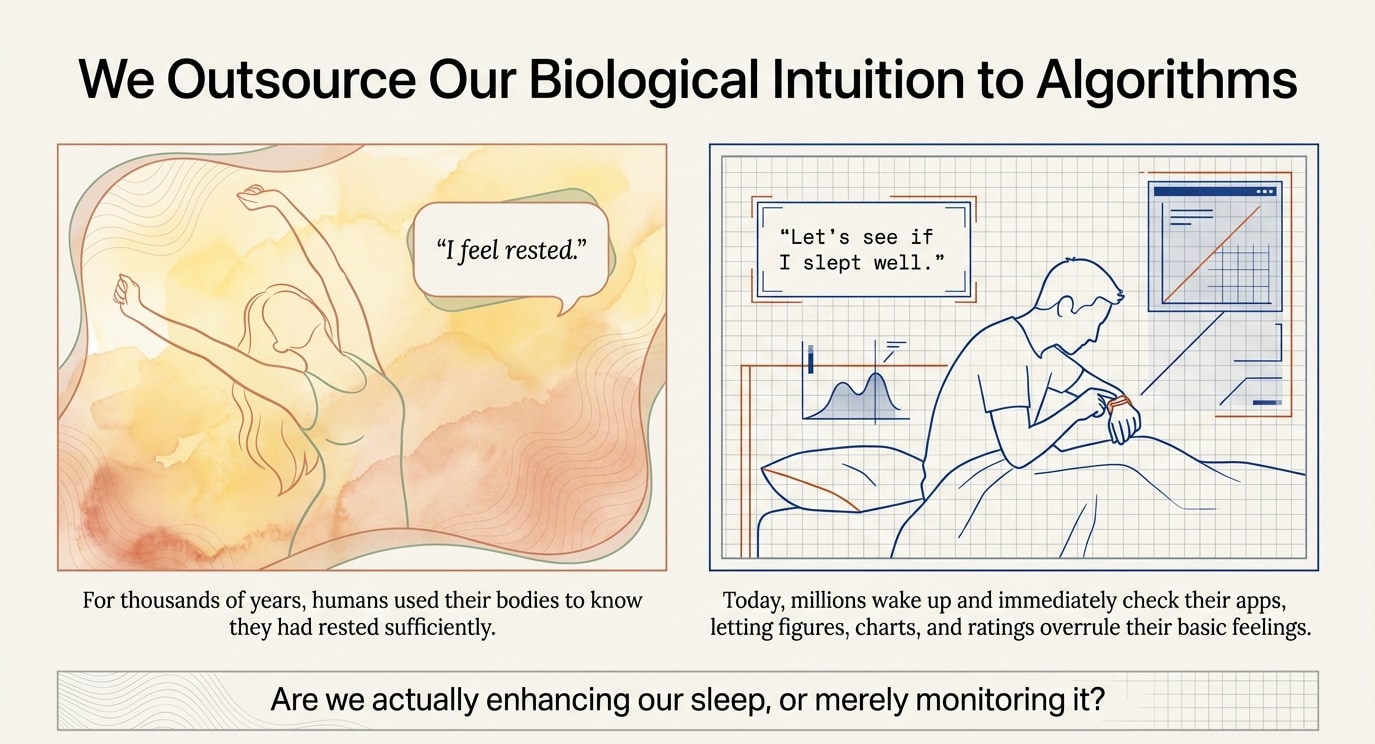
The major misconception about sleep trackers is that they directly measure the sleep. Most of them actually estimate it.
They have sensors such as accelerometers to detect motion. When the body is not moving, the application assumes that you are asleep. When you move, it presupposes that you are awake.
When one wishes to have the exact analysis of sleep, a medical sleep study, or polysomnography, remains the most accurate in defining the sleep state. This is a test done on the brain waves, movement of eyes, breathing and muscles.
Consumer sleep trackers are much simpler as compared to this. Research indicates that they reasonably perform in measuring whether you are asleep, but they do not perform well in measuring whether you are awake. They are also not as reliable in the determination of sleep stages.
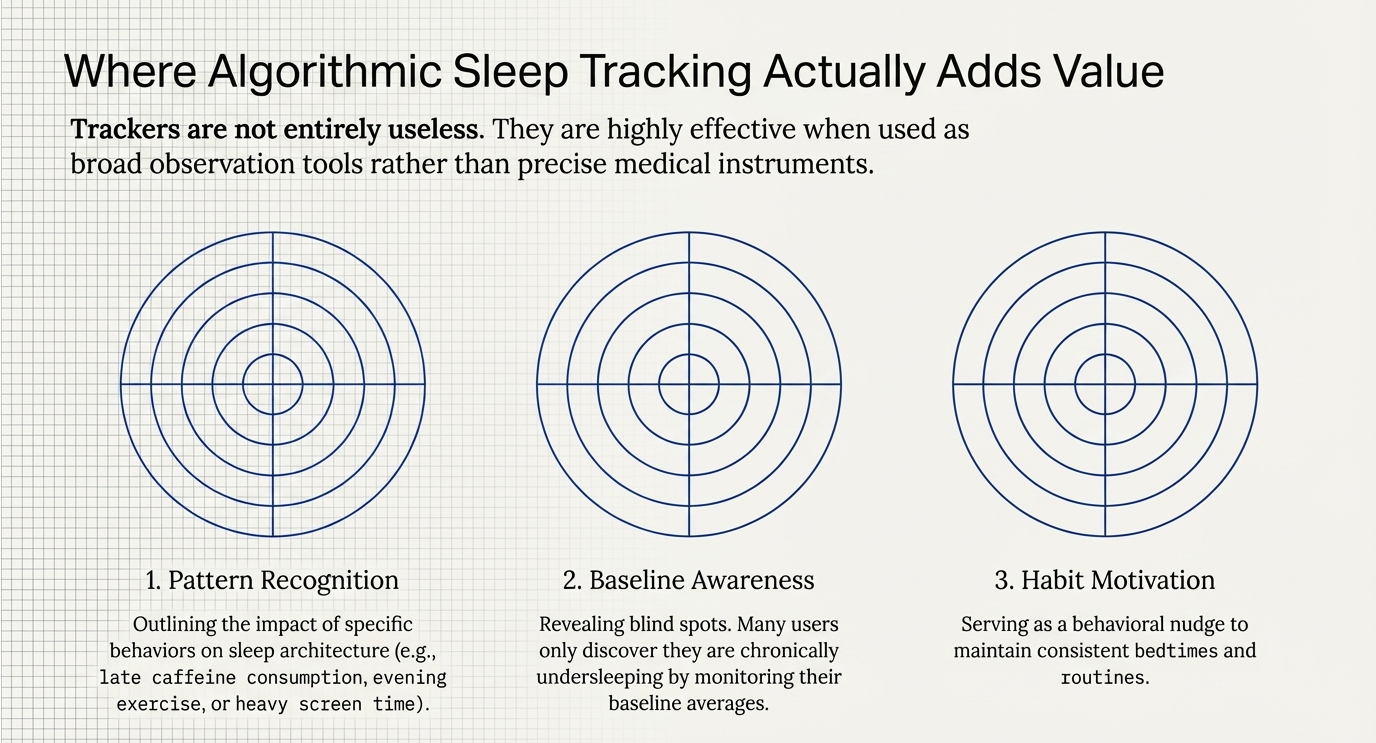
Sleep trackers are not useless to any extent. On the contrary, they can be applicable in real practice.
They assist individuals to be more conscious of their sleeping patterns. It is only by monitoring that many users discover that they are not getting ample sleep. Patterns, e.g., the impact of caffeine, exercise, or screen time on sleep, can also be outlined with the help of these apps.
The key problem with the sleep tracking apps is not their existence but the manner in which they are utilized.
They may not interpret situations correctly due to the fact that they use indirect data at times. As an illustration, when one is lying awake but not sleeping, the lying can count as sleep. Likewise, we can wake up without motion and remain unnoticed.
One more major weakness is that a majority of the sleep trackers are not medical devices. They are not able to diagnose sleep disorders or to substitute professional advice.
However, there are a lot of users who make the data absolute truth, which may cause misunderstanding, and unjustified anxiety.
Interestingly, sleep tracking can at times be the source of the same problem it is aimed at.
A new trend is so-called orthosomnia, when individuals become obsessed with the idea of getting the best sleep scores. They are not interested in their emotional state, but in figures.
This may cause anxiety, worrying and even poor sleep. Others begin to devote more time to the bed attempting to polish their data and this may actually interfere with their normal sleep habits.
Monitoring becomes unhelpful and becomes detrimental in such situations.
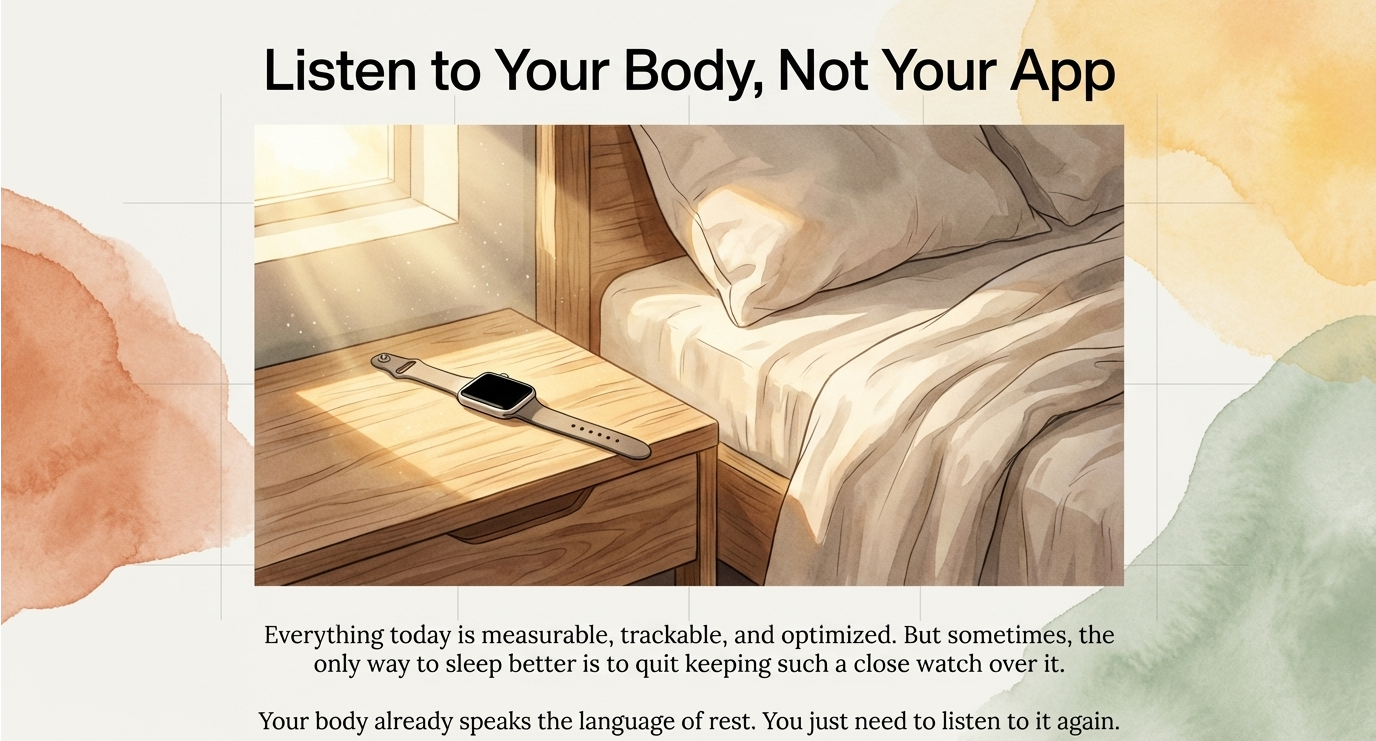
Among the greatest pitfalls of constant monitoring is the fact that it simply redirects the focus to another body.
Human beings have known how to control sleep without equipment for thousands of years without technology. The body speaks already–when you feel refreshed, alert, and energetic in the day, it is a good sign that you get sleep enough.
When your application informs you that you have slept badly but you are okay, which one should be believed?
This natural awareness may be undermined with time because of excessive dependence on data.
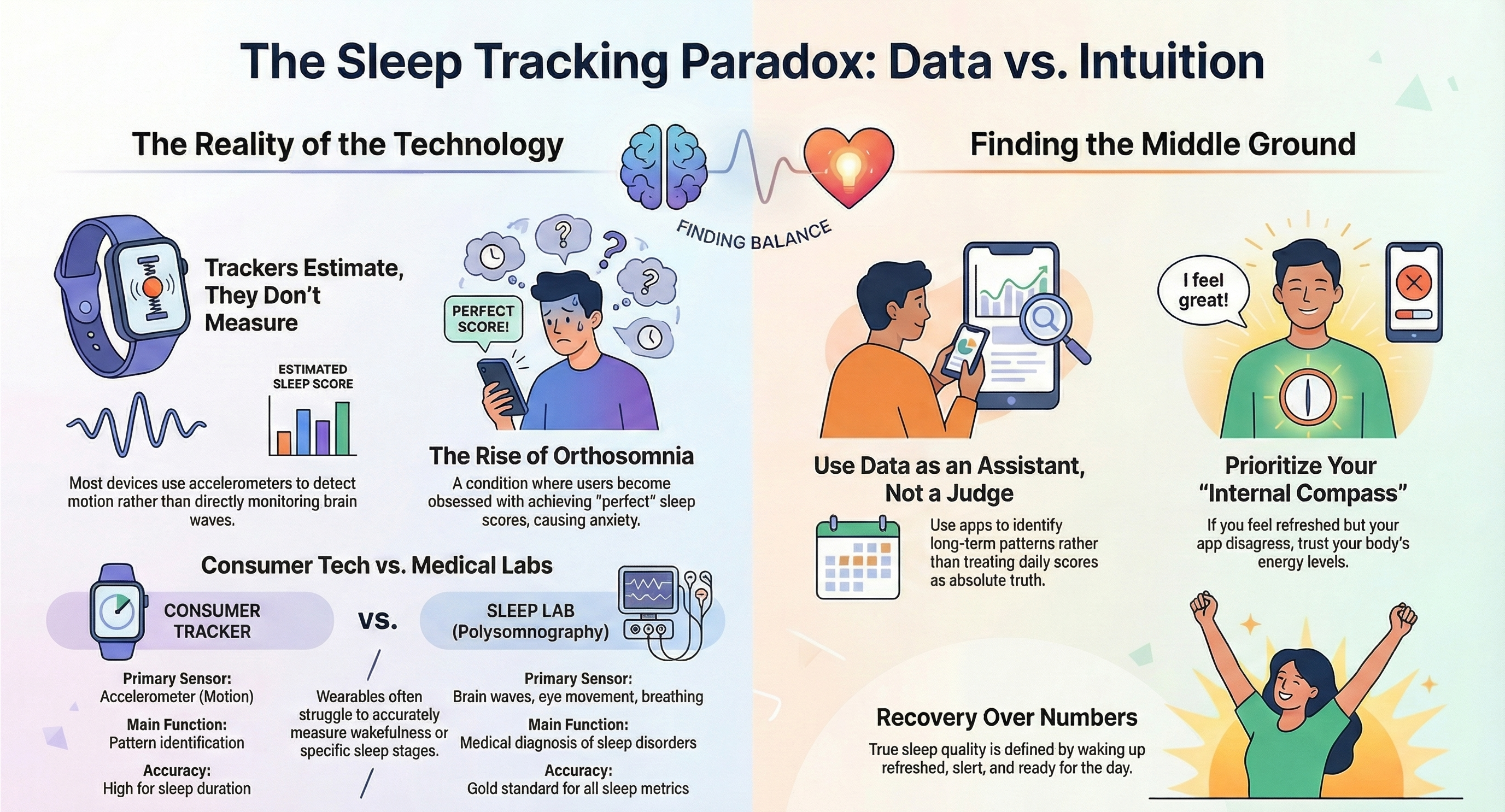
The concept of sleep tracking can work well provided one has the right mindset. It is used better as an assistant than a decision-maker.
It may be useful in identifying the patterns, motivating better habits, and providing a general picture of sleep behaviour. It must not be over-inspected or made into a medical report.
These apps can be of no benefit to individuals who are already anxious about sleep.
Sleep tracking apps are not 100 percent accurate and at the same time they are not 100 percent useless. They are in the middle ground.
Sleep tracker apps represent a more significant change in the way individuals perceive health in the current day. All things are being measurable, trackable and optimised.
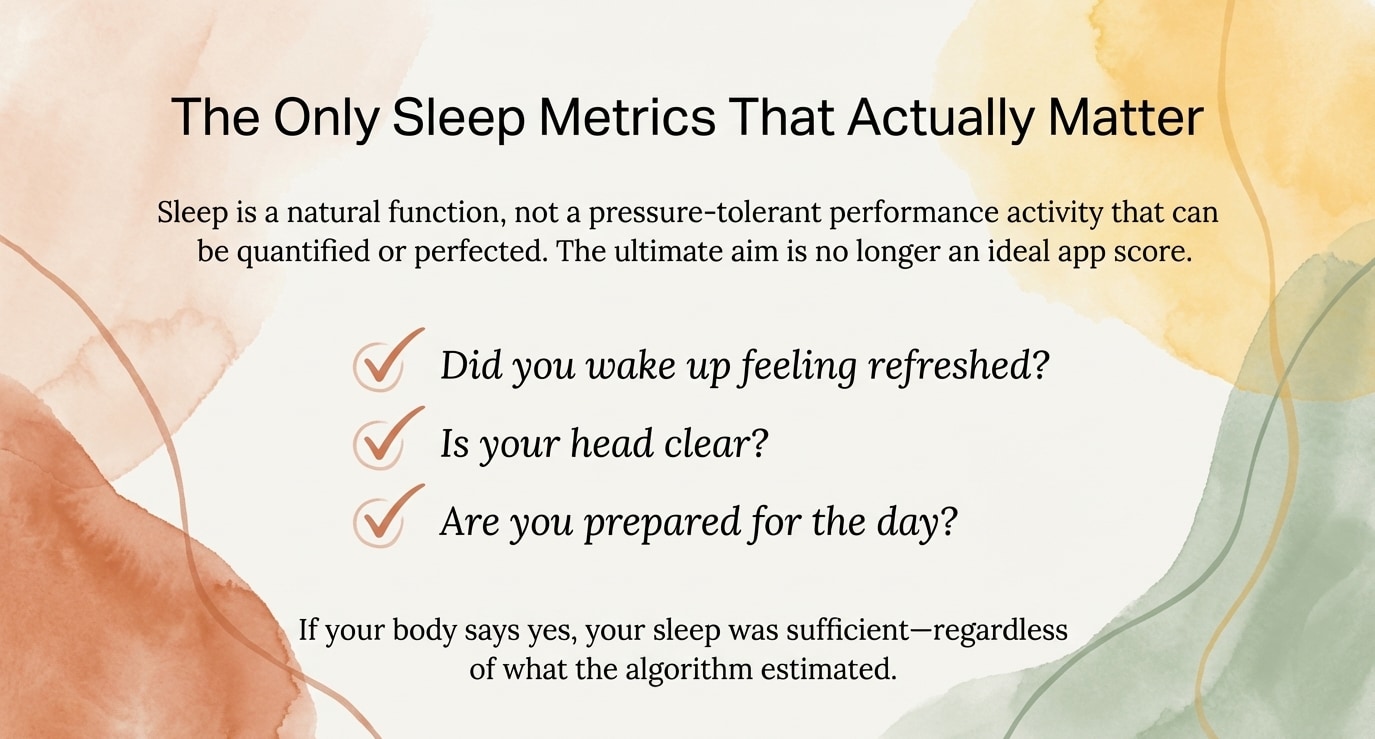
However, sleep is not a pressure-tolerant activity. It cannot be quantified, or even made perfect.
Ultimately, the aim is no longer to reach an ideal score on sleep. It is to wake up refreshed, fresh-headed, and day prepared.

And, at times, you know, the only way to sleep better is to quit keeping such close watch over it.

Don't Miss Out the Latest Updates. Subscribe to Our Newsletter Today!