Written By Divya


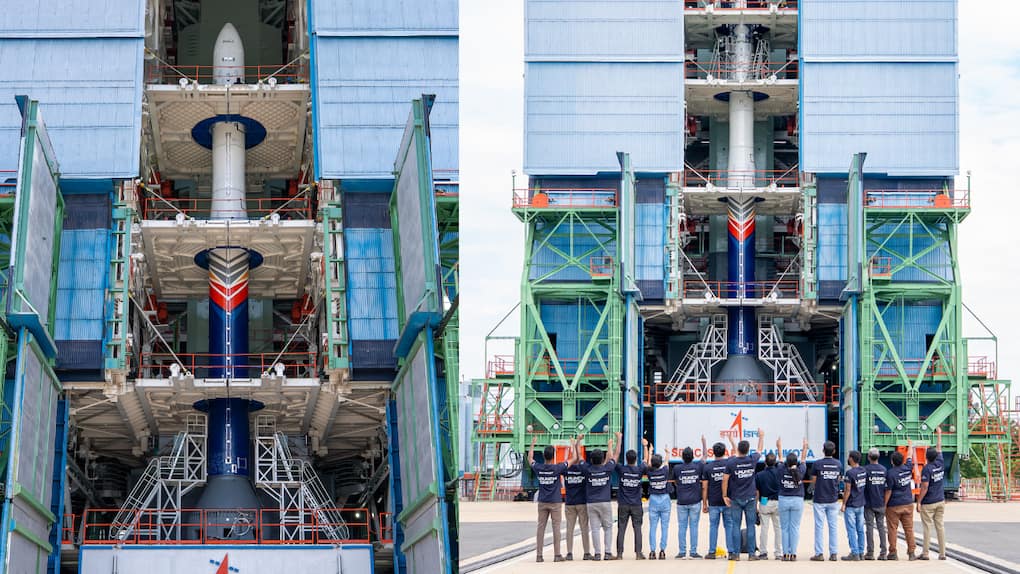
 Skyroot's Vikram-1 Set for Historic Launch, Marks India's First Private Orbital Mission (Image:
Skyroot Aerospace)
Skyroot's Vikram-1 Set for Historic Launch, Marks India's First Private Orbital Mission (Image:
Skyroot Aerospace)
India is preparing to achieve another milestone in space journey, but this time, ISRO isn’t leading the mission. It is a Hyderabad-based Skyroot Aerospace, which has announced that its Vikram-1 rocket is set to launch this month. What’s special about it? Vikram-1 will be India’s first privately developed orbital launch vehicle.
The Aerospace company has revealed that the mission is known as Aagaman, which is expected to take off during a launch window that opens on July 12 and continues till August 4. However, it will also depend on weather conditions, safety approvals, and final testing. The launch will take place from the Satish Dhawan Space Centre in Sriharikota.
Skyroot Aerospace company has named its mission Aagaman, which literally means “arrival” in Sanskrit. But the biggest goal behind the mission isn’t just rocket launch, it is all about studying every part of the Vikram-1 and how it performs during an actual flight. This includes everything from propulsion, stage separation, to navigation. The aerospace company says this data cannot be fully recreated during ground testing and will help improve future commercial launches.
Talking about the Vikram-1, it is a seven-storey launch vehicle built using lightweight carbon composite materials. It also uses propulsion systems developed by Skyroot, including 3D-printed rocket engines. The company revealed that the rocket can carry satellites weighing up to 350kg into Low Earth Orbit. For its first mission, Vikram-1 will attempt to place customer payloads into an orbit around 450km above Earth.
It must be noted that the upcoming launch will also carry a combination of Indian and international payloads, which makes it a partially commercial mission.
India has seen private companies enter the space sector over the last few years, but Vikram-1 takes things a step further. Back in 2022, Skyroot successfully launched Vikram-S, which became the first privately built Indian rocket to reach space. However, that was a sub-orbital mission. Vikram-1 is designed to place satellites into orbit, making it a much bigger test for the company.

If Mission Aagaman goes as planned, Skyroot plans to conduct one or two more demonstration flights before moving towards regular commercial launches. For now, all eyes are on Sriharikota, where India’s first privately built orbital rocket is waiting for its biggest test yet.