
Written By Deepti Ratnam
Edited By: Deepti Ratnam | Published By: Deepti Ratnam | Published: Jul 21, 2026, 09:10 AM (IST)
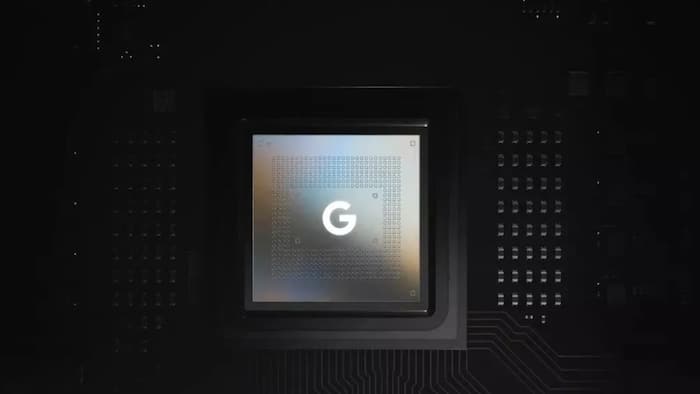
 Google's Frozen v2 chip could reshape the future of Gemini AI


Written By Deepti Ratnam
Google in reportedly developing a new artificial intelligence chipset which is expected to significantly improve the efficiency of Gemini AI models.  Also Read: Google unveils new custom AI chip, enterprise AI tools
As per reports by The Information, the chip is internally codenamed ‘Frozen V2’ and it is expected to be launched by 2028. What’s special about this chipset is that report mentions that it could deliver size to 10 times greater efficiency as compared to Google’s current AI chips. When it’s compared to the number of AI tokens generated per unit of power, then this upcoming chipset is far more reliable and high performing.
While the tech giant has not confirmed officially anything about this upcoming chipset or the project, however, it did acknowledge about continuously exploring new hardware innovations. The company is focusing on improving AI performance and capability.
The alleged Frozen v2 chip is designed to improve Google’s own Gemini models, which will help it to run them more efficiently, using less energy for AI inference and producing more output. The new chip is said to be a ‘family’ of custom processors designed to complement existing Google chips, the Tensor Processing Units (TPUs).
The team behind the chip is still working out the details of its architecture and how much of the AI model’s instructions to hardcode directly into the processor to achieve maximum speed.
If the efficiency claims come true, Frozen v2 could be one of Google’s most significant AI infrastructure assets as generative AI services scale and become more costly to run.
Google, reacting to the reports, was keen to reiterate its investment in AI hardware innovation, though it took no steps to confirm the project.
“We are constantly in the process of researching and experimenting with new innovations to deliver the highest possible performance and efficiency for our users and customers and this research isn’t built or adopted into our systems unless it is in production, but it is an integral part of our full stack approach to co-designing our hardware and software from the ground up to ensure our systems are integrated and highly optimized for real-world workloads.
It is the latest step in Google’s policy to somehow merge hardware and software in order to boost its AI capabilities in cloud and consumer services.
As large tech firms rush to build their own AI chips, the competition for supremacy has heated up, with the goal of decreasing reliance on Nvidia’s GPUs, which have been the backbone of AI training and inference for years.
There are several benefits to producing proprietary processors:
The transition follows the ongoing global demand for AI computing power, where access to chips is a strategic priority for prominent AI developers.
Google is not the only company that’s seeking custom AI silicon.
In the first half of this year, OpenAI announced its first in-house inference chip, Jalapeño, which will enhance the efficiency with which AI models are served.
In parallel, Anthropic is said to be investigating a partnership to make chips with Samsung while building up its AI infrastructure.
The industry trend emphasizes the growing trend for AI firms to vertically integrated technology stacks, with proprietary models and custom-designed hardware.
The announced chip venture is the latest in a series of heavy investments by Alphabet in AI.
The company has announced its plans to spend around $180 billion to $190 billion on AI infrastructure and investments. Given this massive investment, the need to become more efficient has never been greater to manage long-term operating expenses and scale AI services.
If Google can reduce the cost of its use of Gemini models in Search, Workspace, Cloud, Android, and other AI products, it could be a more efficient inference chip that helps them do that.
The report also comes after recent reports that Google has reportedly delayed its new Gemini AI in recent months due to its lack of meeting some internal performance benchmarks, notably in its coding capabilities.
As OpenAI, Anthropic, Meta and other AI startups ramp up competition, it’s increasingly crucial to look at how AI models can be improved and what hardware is used to power these models.
If this project is launched, then Frozen v2 could be one of the most important key component of company’s AI infrastructure. If it is said to deliver dramatically better power, efficiency, productivity, and performance, then it could help Google to reduce its inference costs. In addition, it will also improve Gemini’s performance and strengthen long term competitiveness in the fast evolving AI landscape.

Nevertheless, Google has not officially confirmed the project, but its continued investment in AI hardware and infrastructure signifies a broader industry trend. It indicates that the future of AI doesn’t only depend on smarter models but also specialized chipset that can power them.

Don't Miss Out the Latest Updates. Subscribe to Our Newsletter Today!