Written By Deepti Ratnam


Written By Deepti Ratnam
Edited by Deepti Ratnam |Published: May 06, 2026, 10:27 AM (IST)
 Don’t throw your delivery box yet: This hidden scam can cost you money
E-commerce giants in India like Amazon and Flipkart has initiated their most-awaited summer sales, revealing several discounts ad deals on large number of products. Both the platforms will see a surge in orders. For many users, who love shopping during this time, means frequent order deliveries and regular boxing. However, this is the significant time for scammers also. One small thing that most people ignore after receiving or opening their package is their address. What looks like a simple delivery box or packaging can actually expose your personal data if not handled properly.
This is where the delivery box scam becomes a real concern.
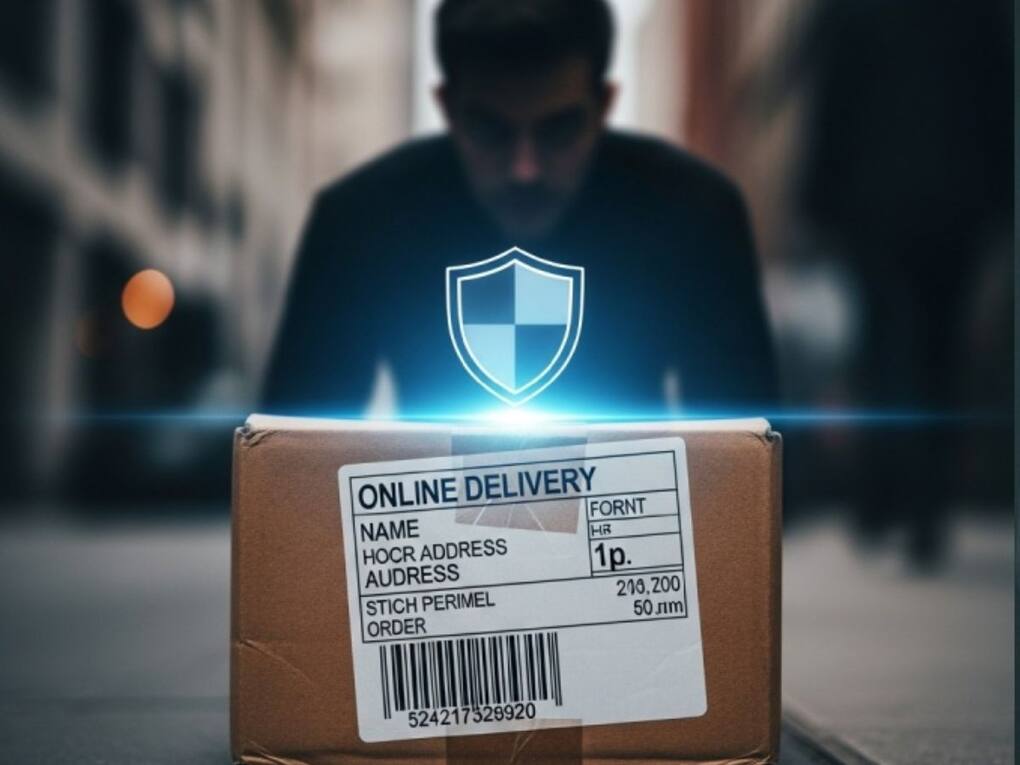
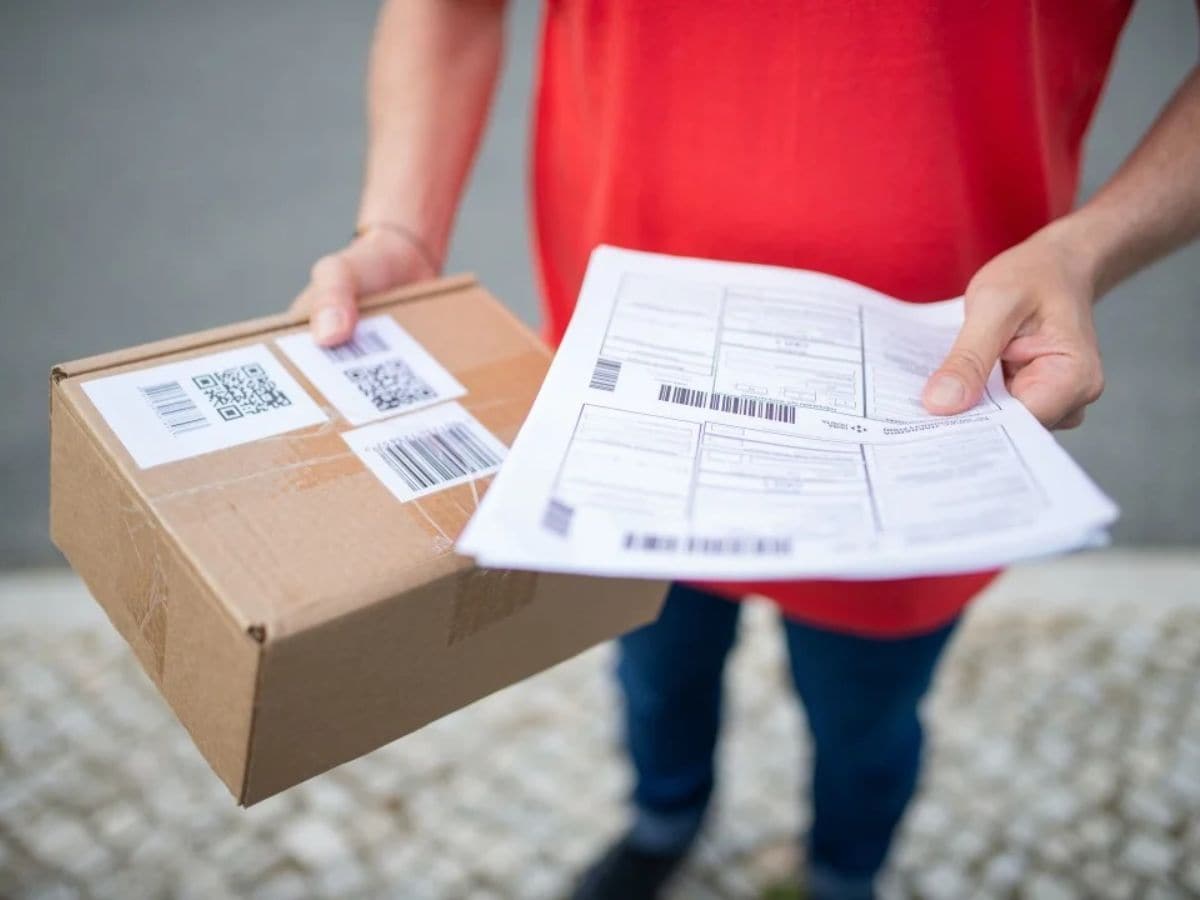
The delivery box scam is based on misuse of personal details printed on your package labels. Every package you receive has a shipping label, which is an essential part of the delivery system. This label usually includes your personal information like phone number, your name, and address. In some cases, it might also include order details.
This information becomes easily accessible to fraudsters when we throw away our delivery boxes without removing the label. Scammers wait for these kind of boxes, they collect them from garbage areas and use the details for fraud. To put it simply, your discarded packaging box becomes an opportunity for scammers and a source of verified personal data.
The process of this scam is straightforward, simple, but effective. As soon as scammers collect delivery boxes, they extract personal details from the labels. Then, they use this information to contact you.
Most of the time these scammers pretend like they are customer care executives from shopping platforms. As they already have your number and name, the conversation feel real. This makes it easier to gain your trust.
Their common strategy is that they may offer you cashbacks, rewards, or discounts and ask you to complete a quick process and fill a form. Going forward, you will receive a link via message or call. Once this link is clicked by you, you will be redirected to a fake website or install harmful software on your device.
After this, they try to collect sensitive details like bank information, OTP’s, or login credentials. This will lead to financial loss and account misuse.
These type of scams are common during sale events on Amazon, Flipkart, Myntra, Croma, and more. The number of order increase rapidly at this time and more orders means more delivery boxes are thrown away. This is the most appropriate time for scammers to be active.
At the same time, users expect calls related to delivery updates, feedback, or offers. People are less likely to question unknown calls or messages during this time. Scammers take advantage of this situation to target more users.
To avoid this scam, there are no complicated measures. The initial step that you ought to take is the careful handling of your delivery box. Take the label out or destroy it before discarding it. You may tear it, scratch it or hide the information with a marker.
Second, never believe in unfamiliar links that are conveyed in calls or messages. Authoritative websites do not require their users to download applications or provide their personal information to get some rewards.
Third, beware when a person calls you with a promise such as cashback or discounts, particularly when they are seeking sensitive information. Sharing OTPs, passwords, and bank details are prohibited even when they have your correct details.
With the ever-increasing online shopping, new forms of scams are on the rise as well. One such scam is the delivery box scam where a minor error can cause a serious impact.

Most users are concerned about their online account security without considering the physical data leakage. It is also important to create awareness on such risks particularly during high shopping seasons.