
Written By Shubham Arora
Published By: Shubham Arora | Published: May 26, 2026, 10:58 PM (IST)
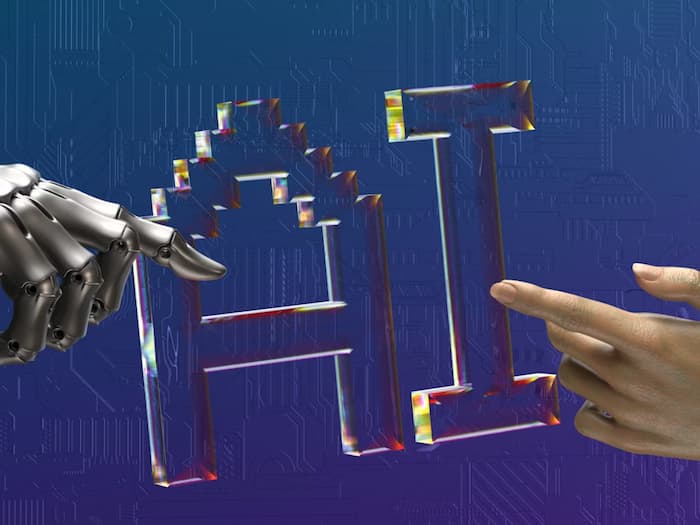
 Tech leaders say AI may transform jobs gradually instead of replacing workers entirely.


Written By Shubham Arora
The conversation around artificial intelligence replacing jobs has started changing a bit over the past few months. When tools like ChatGPT first exploded in popularity, there was a strong feeling that massive job cuts across industries would happen much faster than expected. A lot of the early discussion focused on AI replacing white-collar work, especially in areas like coding, customer support, writing, and administration.  Also Read: Amazon drops Sam Altman film 'Artificial': The OpenAI connection is raising questions
Now, some of the same tech leaders who once warned about heavy job losses are saying the situation may not play out the way many expected. Also Read: Adobe brings Firefly AI Assistant to Photoshop, Premiere, Illustrator and more: Here’s what it can do
Sam Altman recently said he was surprised that AI has not replaced as many workers as initially expected, especially entry-level office jobs. Also Read: 8 ChatGPT prompts to draft emails like a pro
Speaking during a conference hosted by Commonwealth Bank of Australia, Altman explained that OpenAI’s predictions around how fast AI technology would improve turned out to be fairly accurate after ChatGPT launched in 2022. However, he admitted the company misjudged how workplaces and people would react to it.
According to Altman, one thing became very clear over time — people still value human interaction much more than many in the tech industry expected.
He even shared his own experience of using AI to respond to Slack and email messages. At one point, replies were being sent under the label “this is Sam’s AI.” But eventually, he started replying to some messages himself again because certain conversations still felt more personal when handled directly.
Altman added that work may evolve with AI instead of disappearing completely. He said communication, creativity, emotional understanding, and decision-making are still areas where humans continue to play a major role.
Even though the tone around AI and jobs is becoming less dramatic, companies are still pushing aggressively towards automation and AI tools.
Firms including Amazon, Meta, HSBC, and Standard Chartered have all reduced parts of their workforce while also increasing investments in AI infrastructure.
This has kept concerns alive around how workplaces may change over the next few years. Some companies have openly said AI is helping replace repetitive or lower-value tasks, particularly in back-office operations.
At the same time, many executives now appear to be presenting AI more as a productivity tool rather than a complete replacement for workers.
Jeff Bezos recently said AI is more likely to improve productivity than completely erase professions. Using software engineering as an example, Bezos explained that coding itself is only one part of the work. Things like understanding situations properly, making judgement calls, planning work, or simply dealing with people still depend heavily on humans.
Jeff Bezos also shared a similar view while talking about AI tools. He compared them to moving from a shovel to a bulldozer, saying the work itself does not disappear, but people may end up doing it faster with better tools around them.
At the same time, Jensen Huang criticised companies that quickly blame AI for layoffs. According to him, in many cases, businesses may already be cutting costs or restructuring internally, and AI simply becomes the easier explanation publicly.

Huang also warned against turning every AI discussion into fear around jobs disappearing. He said conversations like these can end up making workers more anxious at a time when many people are already worried about changes happening across industries.

Don't Miss Out the Latest Updates. Subscribe to Our Newsletter Today!