Written By Shubham Arora


Written By Shubham Arora
Edited by Shubham Arora |Published: May 08, 2026, 07:30 AM (IST)
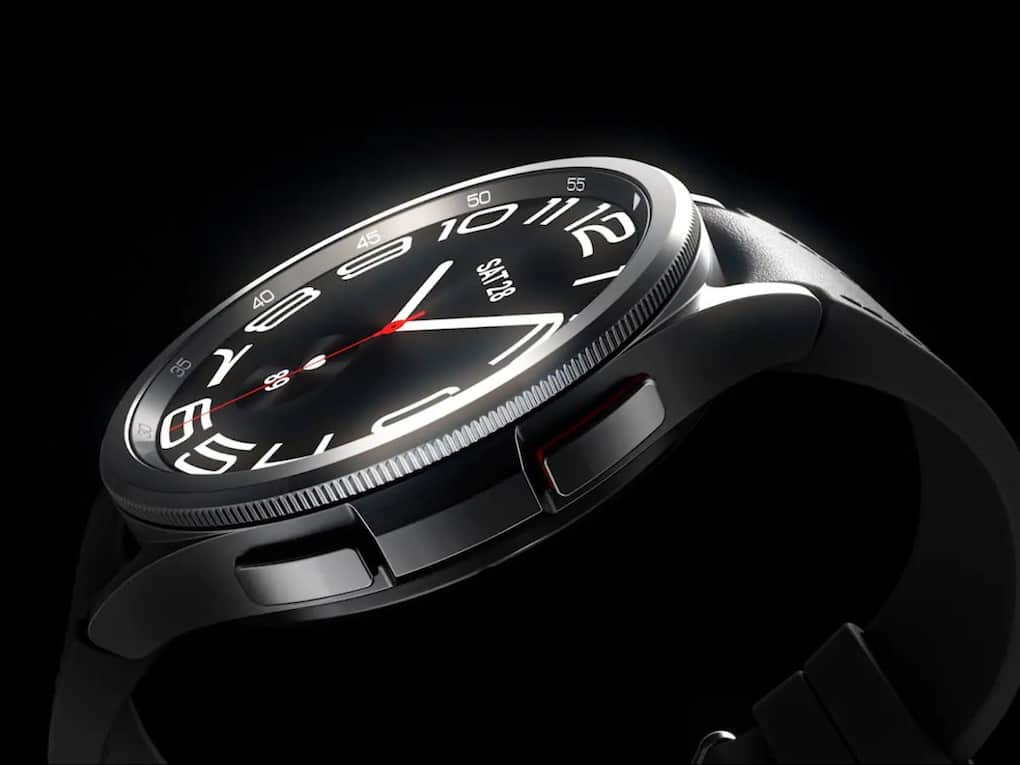
 Galaxy Watch 6 uses heart data and AI to detect early signs of fainting.
Samsung has shared a new update around its smartwatch lineup, and this one goes beyond the usual fitness tracking features. The company says the Galaxy Watch 6 can detect signs that may lead to fainting a few minutes before it actually happens.
This comes from a joint clinical study carried out with Chung-Ang University Gwangmyeong Hospital in South Korea. The study focused on vasovagal syncope (VVS), which is a common reason why people faint.
The study looked at 132 people who already had these symptoms. Doctors kept them under observation and ran tests where they could faint, but everything was done in a controlled setting.
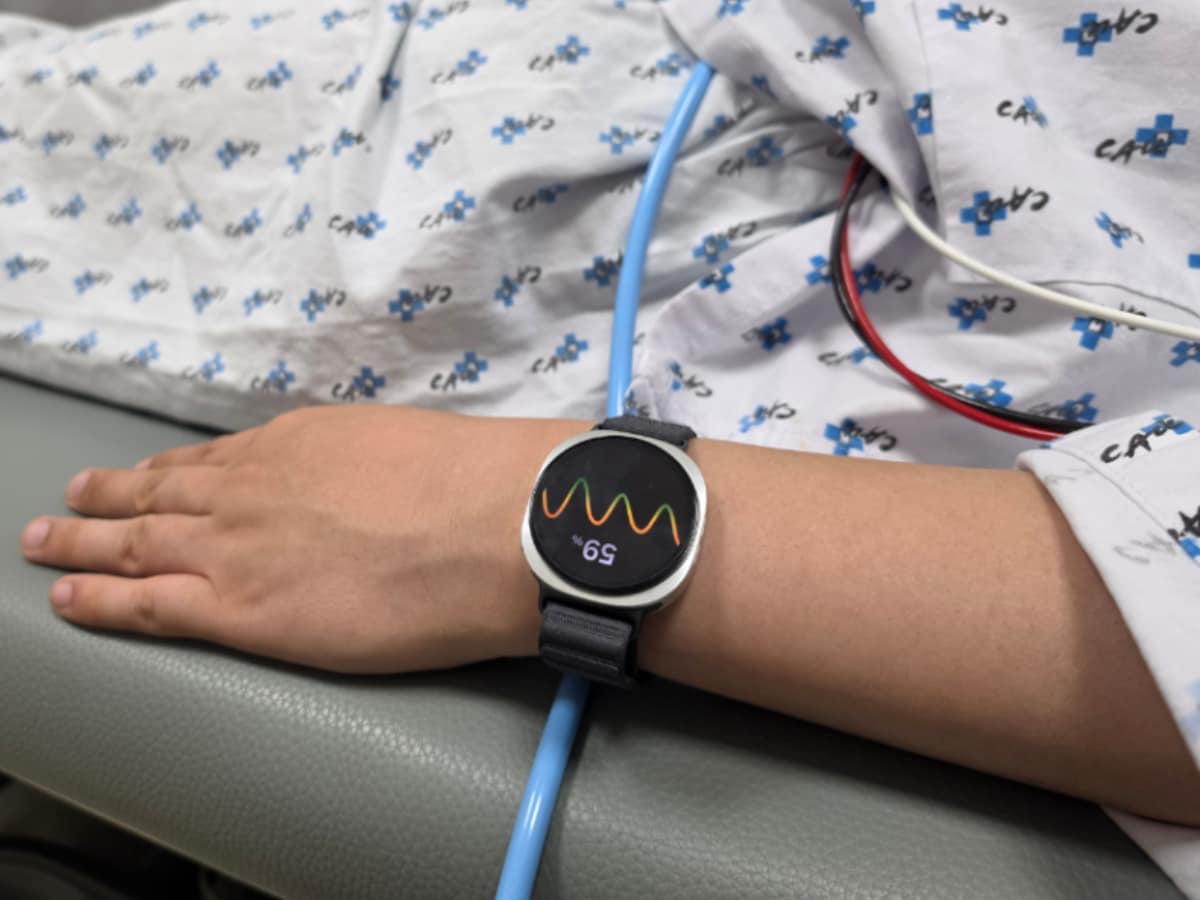
Samsung Galaxy Watch 6 displaying health tracking data on wrist (Image source: Samsung Newsroom)
While this was happening, the Galaxy Watch 6 kept tracking their body signals using its PPG sensor, which picks up changes in blood flow from the wrist. The smartwatch collected heart rate variability (HRV) data, which was then analysed using an AI-based model.
The result showed that the system could predict a fainting episode up to five minutes in advance. The accuracy of the prediction was reported at 84.6%. The model also showed a sensitivity of 90% and a specificity of 64%, which are considered clinically meaningful figures in such cases.
The findings have been published in Volume 7, Issue 4 of the European Heart Journal – Digital Health.
Vasovagal syncope happens when the heart rate and blood pressure drop suddenly. This can be triggered by factors like stress or standing for too long come into play, and it can cause a person to briefly lose consciousness.
While the fainting itself is usually not dangerous, the fall that follows can lead to injuries such as fractures or head impact. That is why early warning plays an important role here.
According to Professor Junhwan Cho, up to 40% of people may experience this condition at some point in their lives, and a portion of them may face repeated episodes.
The key idea behind this feature is giving users a few minutes of warning before an episode happens. Even a short window can help someone sit down, move to a safer position, or ask for help.
This shifts the use of wearables from just tracking health to actually helping prevent injury in certain situations. Instead of reacting after something happens, the focus here is on early alerts.
Jongmin Choi, who leads the Health R&D Group at Samsung’s Mobile eXperience division, said that this kind of development shows how wearable devices can move towards preventive healthcare.
This is one of the first studies to show that a commercial smartwatch can be used to predict fainting in advance using real-time data. It also points towards how wearable devices could become more involved in health monitoring going forward.

Samsung has said it plans to continue working with medical institutions to expand such features across its devices. The idea is to build tools that can offer more personalised health insights based on user data.