Written By Deepti Ratnam


Written By Deepti Ratnam
Edited by Deepti Ratnam |Published: May 07, 2026, 09:02 AM (IST)

 DGCA bans power bank charging during flights: What travellers should know
A recent incident on an Indigo Flight at Chandigarh has once again raised serious questions regarding the safety guidelines inside airlines. A suspected power bank fire inside the aircraft cabin created panic among travelers after landing. People started seeing smoke inside the cabin and they were forced to evacuate under emergency procedures. This incident has highlighted and brought to our attention about renewed focus on updated aviation safety guidelines issued by DGCA for passengers who are carrying electronic devices.
Power banks have become a common travel essential in today’s life. It is used for charging smartphones and other devices. Nevertheless, these small devices can create threat for us if not taken care while traveling in airlines. Power bank contains lithium-ion batteries and they can overheat or catch fire under certain conditions. Aviation regulators have been tightening rules worldwide regarding carrying power banks after multiple incidents reported involving battery-related smoke or fire risks on aircraft.
In India, the Indian statutory regulatory body under the Ministry of Civil Aviation, called DGCA has introduced an updated safety instruction to reduce power bank related risks inside the aircraft cabins.
The Directorate General of Civil Aviation (DGCA) has made it clear for passengers that they can carry their power banks only in hand baggage. They are not allowed in checked-in luggage under any conditions. This has been made mandatory because cargo holds are harder to monitor in case of battery overheating.
Additionally, passengers are also not allowed to place power banks in overhead storage bins during their flight travel. The idea behind this rule is simple and straightforward. If in any circumstances the battery of power bank starts emitting smoke, then it should be visible to cabin crew and passengers. If the power bank is hidden inside the over head bins then it can delay response time and increase safety risks.
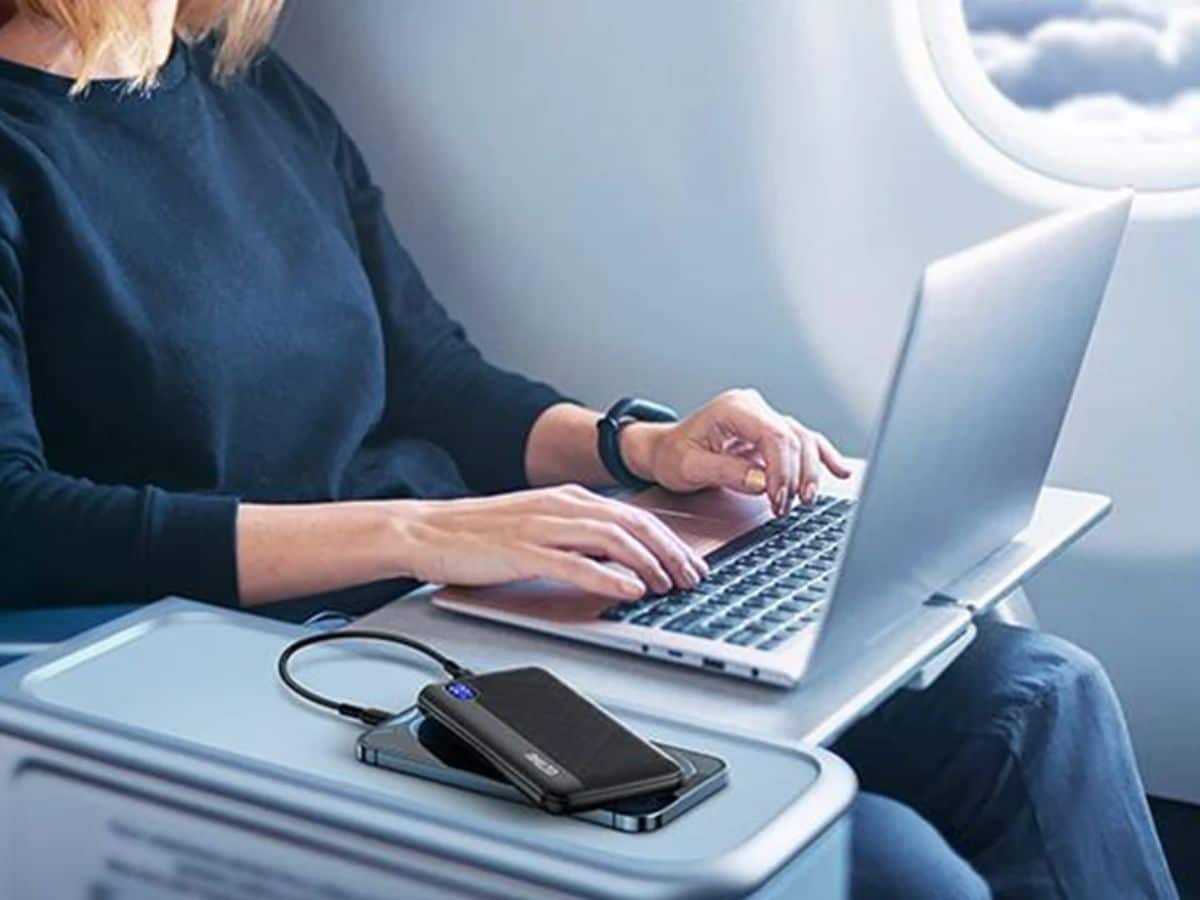
One of the most important and crucial updates behind carrying power bank inside aircraft is the ban on using power banks during flights. You cannot use them to charge mobile phones, tablets, laptops, smartwatches, or any other electronic devices while onboard.
Besides this, even the charging ports in front of your aircraft seat is cannot be used to charge power banks. Airlines have been instructed to clearly announce this rule during on boarding and in-flight safety briefings. This will make the passengers fully aware before flying.
This precautionary step is asked to be taken with an aim to reduce continuous charging cycles. It can increase heat buildup in lithium batteries and raise the risk of malfunction.
To reduce risk of any unwanted incident, the DGCA has asked passengers to stay alert about their electronic devices during their journey. If your device is showing signs such as unusual heat, smoke, sparks, or burning smell, then you should immediately report it to the cabin crew.
In any circumstances, quick reporting is important as early action can prevent a small issue from turning into a major safety risk inside the aircraft.
You are also advised to store your spare batteries safely, especially inside protective cases or plastic covers. You can also place them inside insulating tape on exposed terminals. It will help avoid accidental short circuits.

The aviation industry has seen several incidents globally involving lithium battery fires. That’s the main reason that even a small power bank can also release intense heat if it fails. The recent incident at Chandigarh airport is part of a growing concern and pattern, which the aviation authorities are closely monitoring.