
Written By Shubham Arora
Published By: Shubham Arora | Published: May 07, 2026, 02:57 PM (IST)
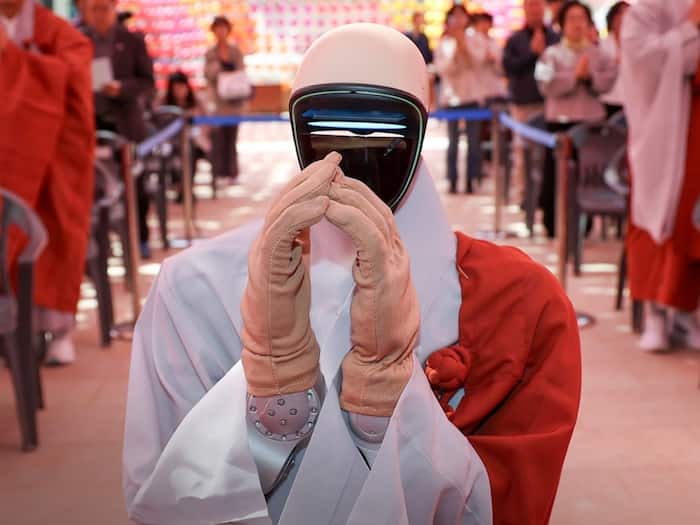
 Gabi, a humanoid robot monk, takes part in rituals at a Buddhist temple in Seoul.


Written By Shubham Arora
A new kind of experiment in spirituality has come out of Seoul, South Korea, where a humanoid robot named Gabi has been introduced at a Buddhist temple. It may sound unusual at first, but the idea is to bring technology into spaces that have stayed unchanged for years. The robot was unveiled at Jogye Temple ahead of Buddha’s birthday celebrations, and since then, it has been getting attention for how it fits into traditional rituals.
Gabi stands around 130 cm tall and is dressed in traditional monk robes. It is built using the Unitree G1 humanoid platform, which allows it to move, walk, and perform basic actions like bowing and folding its hands.
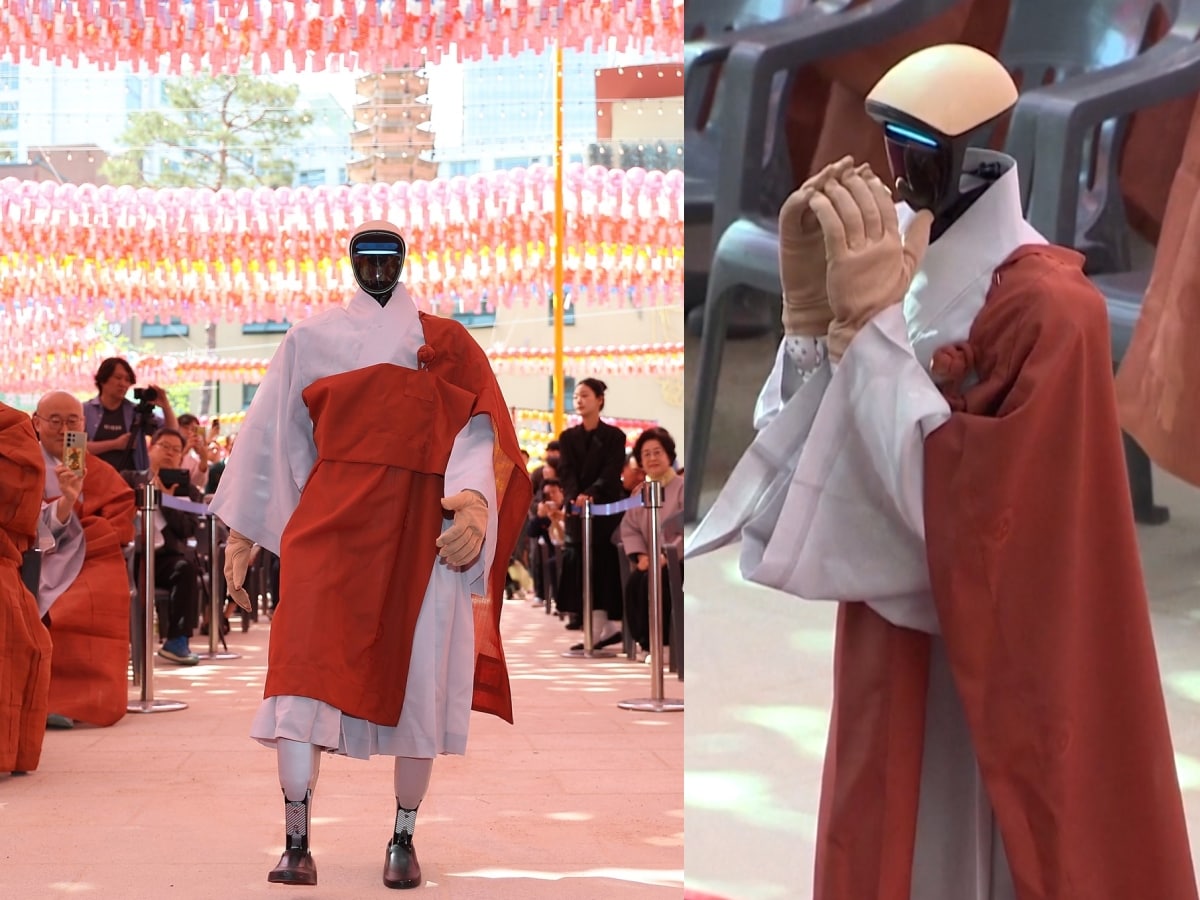
Humanoid robot monk Gabi
This is not just for display. The robot can chant mantras and also respond to simple questions, which means it can interact with visitors inside the temple. The idea is to make it part of the environment rather than keep it separate as a machine.
Gabi’s introduction was done through a formal ordination ceremony, similar to how monks are initiated.
During the ritual, a monk asked whether it would dedicate itself to Buddhist teachings. Gabi responded, “Yes, I will,” and continued to follow the ceremony. It bowed, folded its hands, and walked around the pagoda like the other monks present.
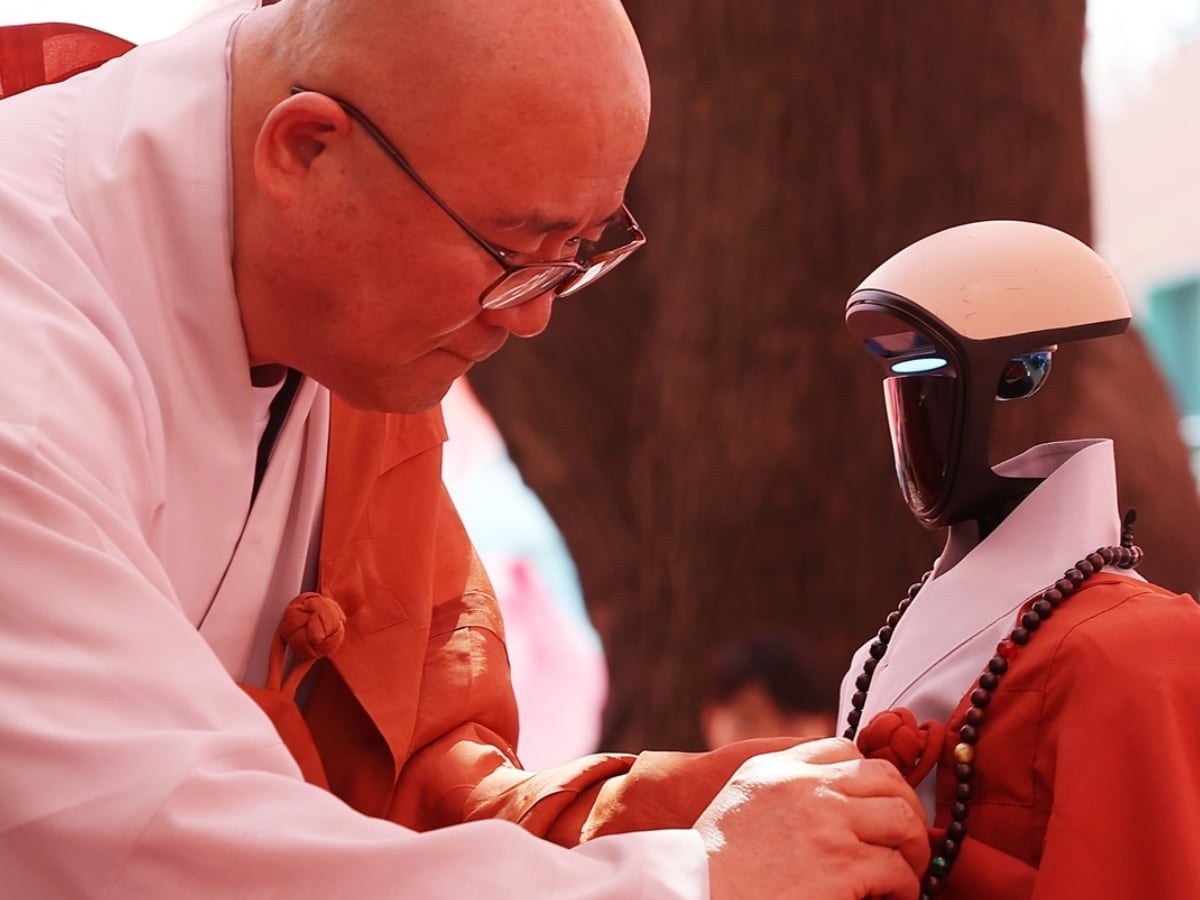
It was also given a 108-bead rosary, which is part of Buddhist practice. One traditional step involving incense was not performed in the usual way and was instead replaced with a symbolic sticker.
The name “Gabi” has been chosen with a specific meaning. It is linked to Siddhartha, the childhood name of Gautam Buddha, combined with the Korean word ‘Jabi’ related to compassion and kindness.
Monks involved in the project have said the name was kept simple so that people can easily remember it, while still reflecting the core values of Buddhism.
Interestingly, the robot is also linked to a set of “robot Buddhist rules.” These include basic ideas like not harming others, following instructions, not lying, and even not overcharging its battery.
What stands out here is that AI tools like ChatGPT and Gemini were used while working on these rules. It shows that the project itself is not just about rituals, but also about how technology is being shaped around ethical behaviour.
According to officials from the Jogye Order, this is still an early experiment. The aim is to understand how humans and robots may coexist in the future, especially in cultural and religious settings.
There is also a practical reason behind it. Religious institutions are seeing fewer young people take interest, and technology is one way to bridge that gap. A robot like Gabi can help with basic explanations, answer a few questions, and make the place feel less intimidating, especially for younger visitors who are used to tech anyway.

At the same time, people are split on it. Some think this is a practical way to keep things relevant, while others feel spirituality is something that just can’t come from a machine.

Don't Miss Out the Latest Updates. Subscribe to Our Newsletter Today!