
Written By Shubham Arora
Published By: Shubham Arora | Published: Dec 09, 2025, 12:03 PM (IST)


Written By Shubham Arora
Google has given an early look at its upcoming Android XR smart glasses, called Project Aura, signalling a renewed push into extended reality. The preview comes shortly after the launch of Samsung’s Galaxy XR headset and highlights how Google plans to expand the Android XR platform beyond headsets and into wearable smart glasses. Project Aura is expected to launch sometime next year.  Also Read: Google Pay Users Should Know These Important Safety Tips
First teased at Google I/O, Project Aura is being developed in partnership with XREAL. Google’s goal with the device is to bring together everyday wearable design and AI-powered digital assistance, while keeping it closely tied to the Android ecosystem. With this move, Google appears ready to take on competitors already active in the smart glasses space. Also Read: YouTube’s AI tool to detect deepfakes now available to journalists and government officials
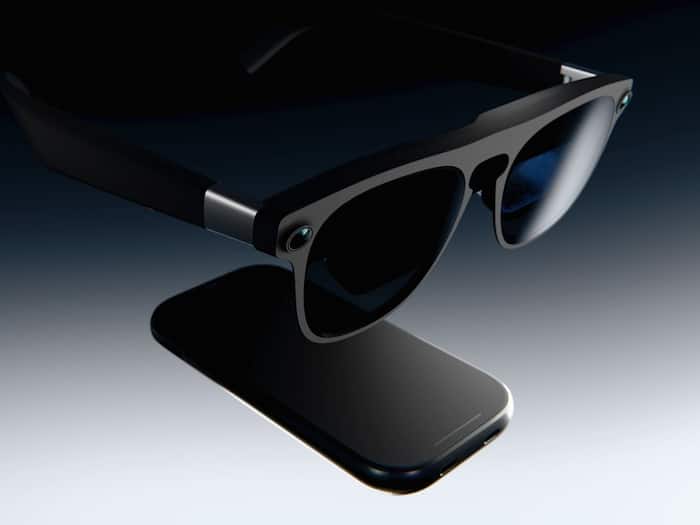
Project Aura looks similar to a pair of thick sunglasses, but it connects via a cable to an external battery pack. This pack also functions as a trackpad for navigation. Google has described the device as “wired XR glasses,” pointing to a design that offloads processing and power outside the frame.
The smart glasses run on Android XR, the same operating system used by Samsung’s Galaxy XR headset. Project Aura will be able to support apps already built for the Galaxy XR headset. This means developer won’t need to create separate versions for the smart glasses, making it easier to bring existing XR apps to more devices.
The preview arrives at a time when Meta’s Ray-Ban smart glasses continue to dominate the consumer market, making Google’s renewed interest in this category notable.
Project Aura offers a 70-degree field of view and uses optical see-through technology to place digital content directly into the user’s vision while still allowing awareness of the real world. Google says the experience is designed more like a portable workspace, with floating windows and real-time assistance, rather than flashy augmented reality effects.
A major focus is Gemini AI, which powers features like contextual guidance, visual cues, and hands-free assistance. The glasses can display information such as step-by-step instructions or on-screen prompts while the user goes about daily tasks.
Google has also confirmed that the Android XR glasses will work with iPhones. iOS users will be able to access Gemini AI features, even without using an Android smartphone.

At this stage, Google hasn’t revealed pricing or final hardware details. However, the early preview offers a clear idea of how Android XR smart glasses are taking shape ahead of their expected launch next year.

Don't Miss Out the Latest Updates. Subscribe to Our Newsletter Today!