



Written By Deepti Ratnam
Written By Deepti Ratnam
Edited by Deepti Ratnam |Published: May 06, 2026, 12:46 PM (IST)
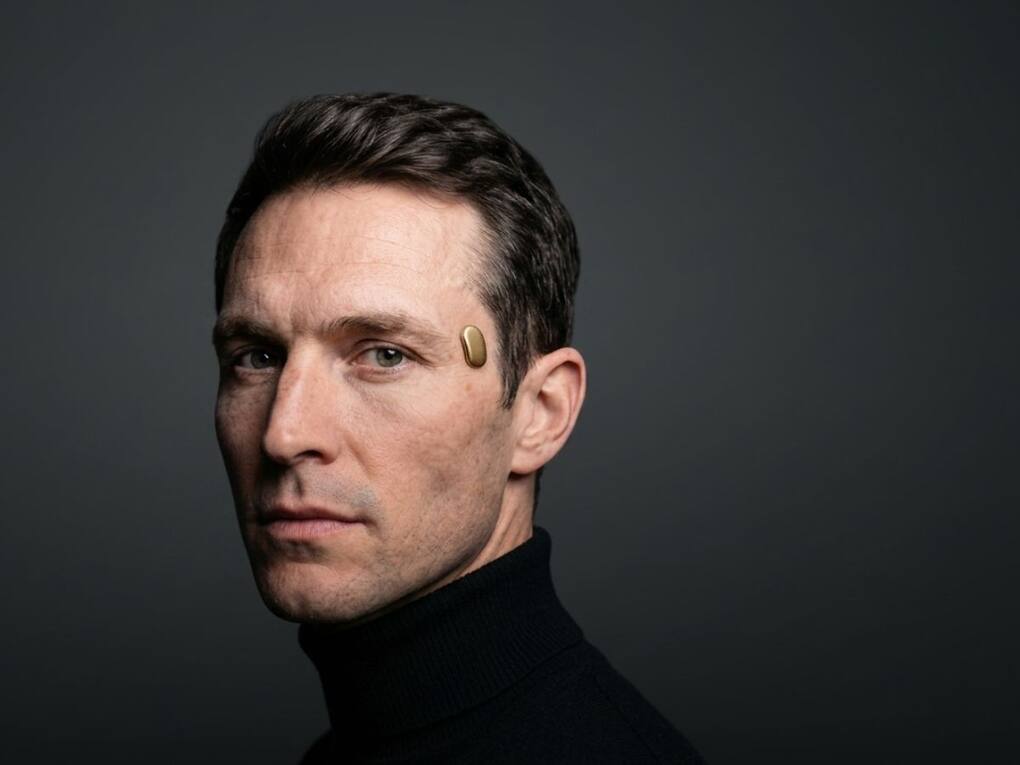
 Zomato co-founder Deepinder Goyal’s ‘Temple’ wearable opens early access applications with limited 100 units
Deepinder Goyal, CEO of Zomato, has introduced a new product that moves beyond the ecosystem of food delivery. This new product enters into the health tech space that will change how we perceive our lifestyle and health. The new device is called Temple, which is a wearable gadget. It is primarily focused on tracking brain-related health data.  Also Read: Zomato CEO Deepinder Goyal Breaks Silence On Viral Temple Device: What Is It?
Rather than having a full launch, the food chain giant has started with a limited time early access rollout. The company launches new wearable product with an aim to enhance overall health concerns. However, the product is still being tested before reaching a wider audience. Also Read: 10 leadership quotes by Zomato CEO Deepinder Goyal
Temple is a not like a regular fitness bands or smartwatches, rather it is designed to track cerebral blood flow. This makes it different from wearable products that are currently available in market. Tracking cerebral blood flow means how well your blood reaches to your brain. This data will help the Temple wearable understand your mental performance as well as focus and fatigue.
Hello world. The first 100 Temples are ready to ship. We're now inviting athletes, scientists, founders, doctors, creators, and individuals who care deeply about their physical and cognitive health to be the founding users of Temple.
Apply for early access at… pic.twitter.com/aljDp0iKVi
— Deepinder Goyal (@deepigoyal) May 5, 2026
This is an interesting question as the Temple wearable is not worn on your wrist, instead it will be worn near your temple area of the head. This is one of the unique placements as it is chosen because the skin is thinner and blood flow is higher in that region. It may help the device to capture more accurate signals compared to wrist-based bands and smartwatches.
The full technical details are not available yet, as the product is still under development. Nevertheless, the focus is clearly on cognitive health not just on physical activity.
The early access for Temple is limited. Only the first 100 units are ready, and not everyone who applies will be selected. The company is looking for users who can provide useful feedback.
This includes athletes, doctors, scientists, founders, and creators. These users are expected to test the device and share structured insights. The goal is to improve the product before a wider release.
Applications are open through the official website, but selection will be controlled and selective.
Most wearables today focus on steps, calories, or heart rate. Temple is trying to go deeper by focusing on brain-related signals. It aims to track patterns linked to stress, rest, and overall mental performance.
The device may also help users understand how daily habits affect brain function over time. This includes factors like posture, sleep, and activity levels.
This approach makes Temple different from common smartwatches and fitness trackers.
Early comparisons shared by Deepinder Goyal suggest that Temple may offer accurate heart rate tracking. In one test during a sports activity, the readings were close to devices from Polar, which are known for reliable tracking.
Wrist-based devices showed less accurate results in the same scenario, based on the shared data. However, these claims are not yet independently verified.
The company is still collecting data and feedback to validate performance.
Temple is positioned as a precision wearable for tracking training, recovery, work, and sleep. It focuses on long-term health patterns rather than just daily activity numbers.
The concept is also linked to a theory about how gravity may affect blood flow to the brain over time. This idea is still being discussed and is not fully accepted in the medical field.

The product aims to help users understand how reduced blood flow could impact focus, memory, and overall cognitive health.


