Written By Divya
Published By: Divya | Published: Jan 09, 2026, 01:46 PM (IST)


Written By Divya
For years now, blood sugar monitoring on the Apple Watch has felt like one of those features that’s always “coming next.” It’s been reported, hinted at, and talked about more times than most health features, yet it still hasn’t arrived. But a recent development in health-tech research suggests that Apple may finally be inching closer to making it real.  Also Read: Affordable MacBook with iPhone 16 Pro chip and playful colours: Here's all we know ahead of launch
Not through a software update or a new sensor just yet, but through a direction that actually makes sense. Diabetes affects a massive portion of the global population, and a worrying number of people don’t even know they have it. Early detection plays a huge role in preventing long-term damage, but current blood sugar monitoring tools are invasive. They rely on needles, sensors, and frequent replacements, which means most people only start using them after diagnosis. Also Read: iPhone 18 Pro, iPhone 18 Pro Max upgrades tipped: Smaller Dynamic Island, 2nm chip, bigger battery
A non-invasive solution, especially one built into something people already wear daily, could change that entirely. This is where the Apple Watch conversation becomes interesting again. Also Read: Satellite internet on iPhones? iPhone 18 Pro leak suggests big upgrade
According to a recent report by Wired, a new wearable device currently in clinical trials is testing a non-invasive way to detect blood sugar trends through breath analysis. The idea is based on measuring acetone levels in breath, which can be linked to rising glucose levels.
The device itself is worn like a small pendant and requires the user to breathe into it for a few seconds. While it doesn’t offer continuous tracking, it shows that non-invasive monitoring can work reliably enough to reach clinical testing, and potentially regulatory approval. That’s a big deal.
Right now, the biggest challenge isn’t the science, it’s size. The device in testing is still too large to fit inside a smartwatch. But if it clears clinical and regulatory hurdles, it proves the concept works.
And once that’s done, miniaturisation becomes an engineering problem rather than a theoretical one, something Apple has quietly solved many times before.
Apple has been chasing non-invasive glucose monitoring since the early days of the Watch. Multiple reports suggest internal prototypes already exist, though they’re far from consumer-ready.

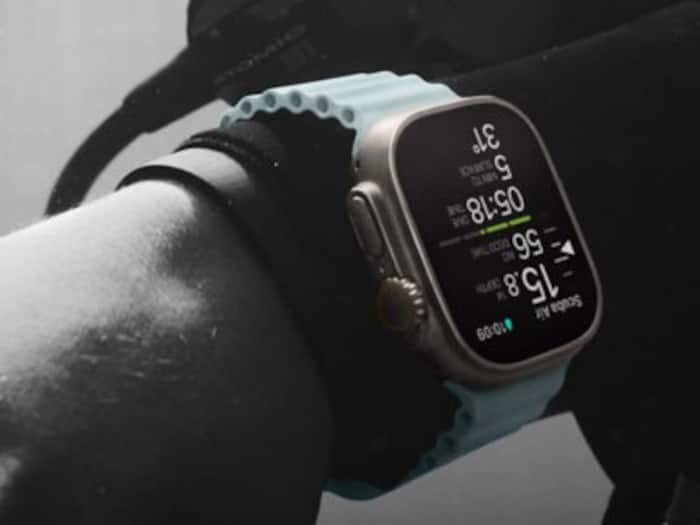
It must be noted that at the moment, Apple Watch users can view blood sugar data only if they’re using an external continuous glucose monitor. The watch acts as a display, not the measuring device itself. Newer systems have even reduced phone dependency, making glucose data more accessible during workouts or daily routines. It’s not the final goal, but it’s a step in the right direction.

Don't Miss Out the Latest Updates. Subscribe to Our Newsletter Today!