Written By Divya


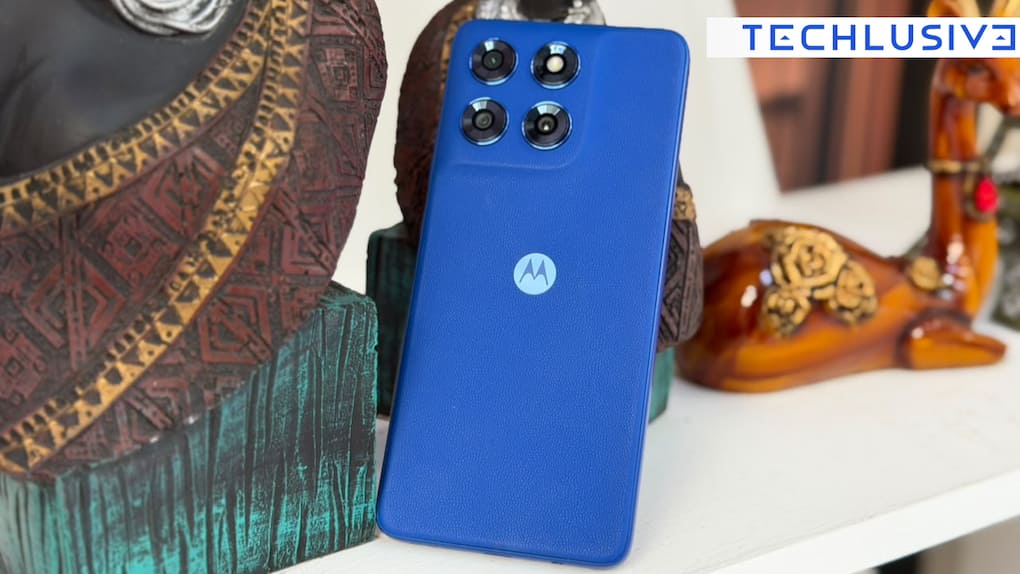

Motorola has been releasing a new Power-named model, while highlighting one of its biggest strengths — battery. But what remains intact along with it is a whole package of a good display, decent performance and manageable cameras at a reasonable price. Yes, that price matters. But rising costs of RAM and other components are slowly increasing the prices of smartphones. While the massive increase may hit the premium range of smartphones, but I personally feel the budget segment is on the front foot to be impacted.
I felt the same with the Moto G77 Power. Motorola’s latest edition takes the same approach as the usual Power models in the past, but what has changed drastically is the price. It comes at a starting price of Rs 25,999 for the single variant of 8GB RAM and 128GB storage. I am mentioning the price factor several times because its predecessor was launched in the sub-Rs 20,000 price segment.
But keeping the price factor aside for a while, the phone itself comes with some promising specifications — a 7,000mAh battery, MediaTek Dimensity 6400 chipset, 50MP Sony LYTIA 600 primary camera and Android 16 out of the box. On paper, there are some meaningful upgrades over its predecessor. But the competition has also become tougher.
After spending more than a month with the Moto G77 Power, I have a better idea of where it stands. And while the battery remains its biggest strength, I am not entirely convinced that it is enough to justify the Rs 25,999 price tag. So, is it worth buying with a steep price jump? Here’s what I believe.
Motorola has kept things simple with the Moto G77 Power, and at first glance, it looks very much like other Power-series phones. In fact, the design feels quite repetitive at this point. I used the Pantone Blue colour variant, which comes with a textured polymer leather finish at the back. Having said that, you can be relaxed as it feels comfortable to hold and also offers a decent amount of grip. Another advantage of this finish is that it does a good job of hiding fingerprints and smudges.
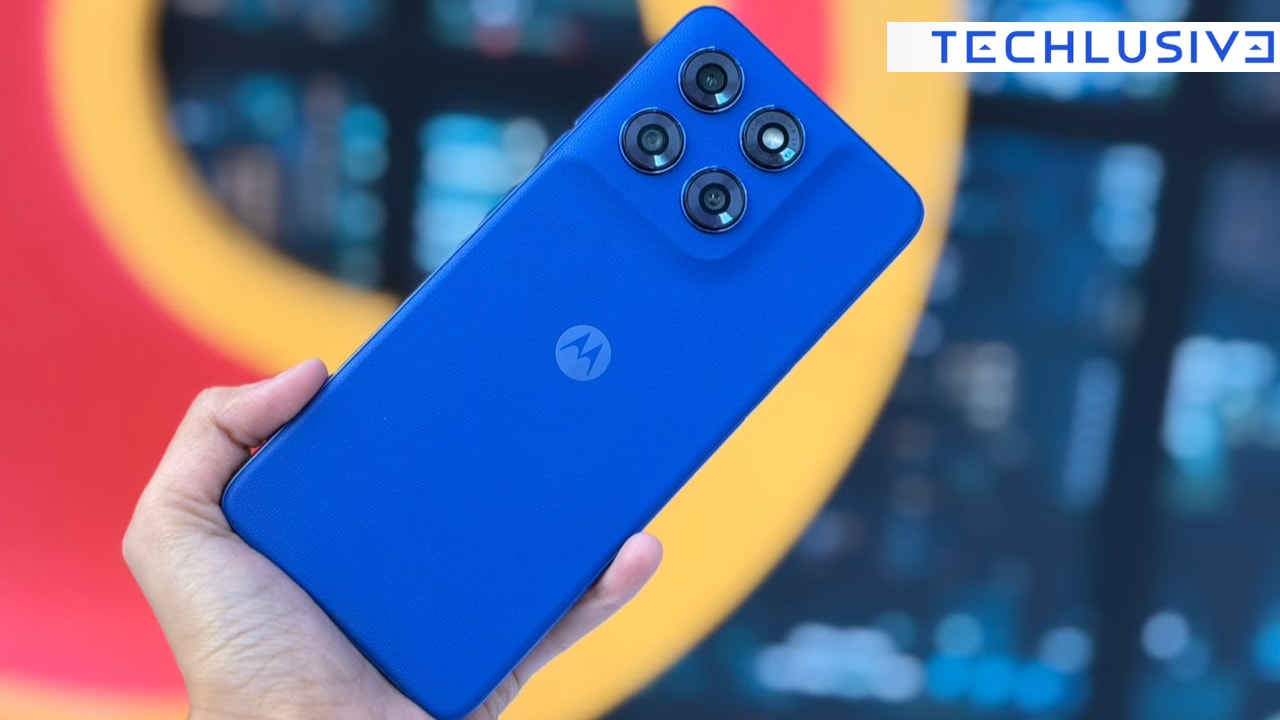
The plastic frame, however, does remind you that this is still a budget-oriented smartphone. What may concern you is that the phone also feels bulky as soon as you pick it up, largely because of the 7,000mAh battery inside. It weighs around 210-215 grams, depending on the variant. Having said that, know that I didn’t find it uncomfortable to use for long hours in our day-to-day life.
What else may seem surprising is that Motorola has retained a 3.5mm audio jack, which is a rarity now.
The Moto G77 Power features a 6.72-inch Full HD+ LCD display with a 120Hz refresh rate. The display does its job while keeping the resolution good enough to keep text and images sharp, and a 120Hz refresh rate makes the scrolling smooth. However, this is where the phone starts feeling slightly outdated for its price. Well, outdoor visibility is not its strongest point. Although the phone gets enough brightness (1050 nits) to read messages or check notifications, but it sometimes struggles under harsh sunlight.
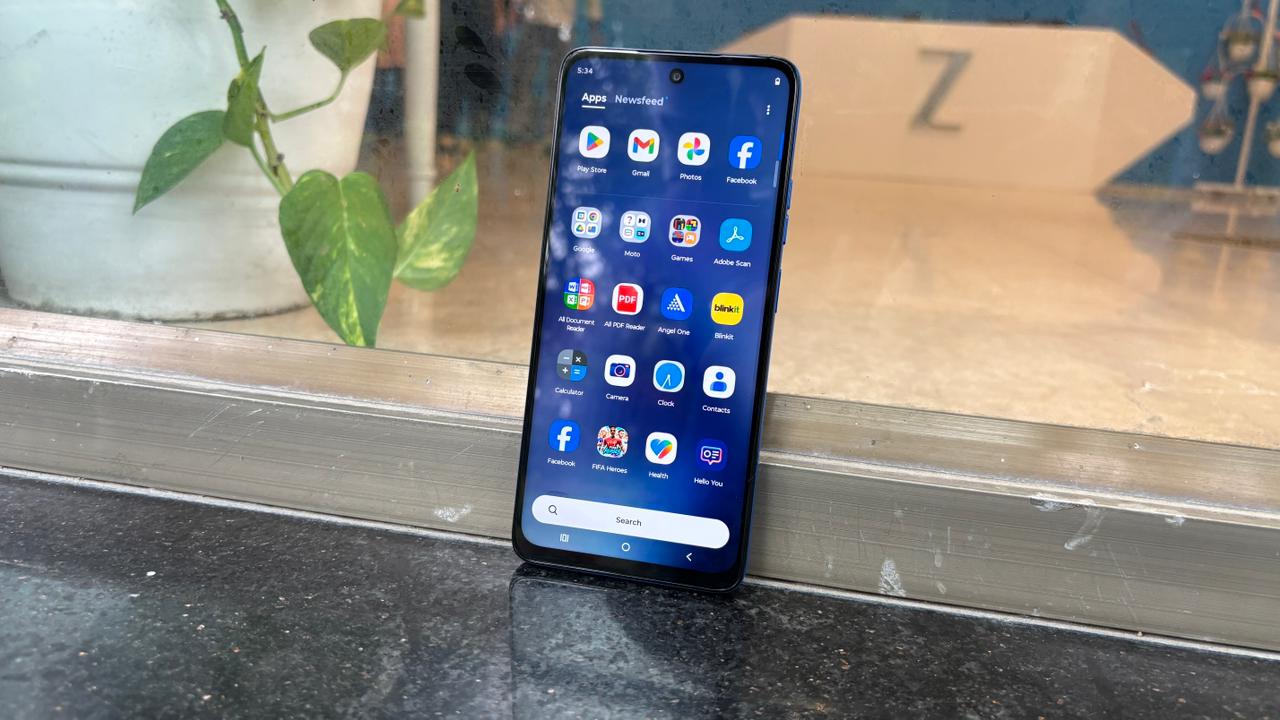
But the thick bezels remind you that it is still a budget phone! Bezels are quite noticeable, especially the bottom chin. And more importantly, this is still an LCD panel at a time when some competitors in this price range are offering AMOLED displays. The difference becomes particularly obvious while watching darker content, where blacks appear more grey than deep black.
This is probably one of the biggest areas where I expected more from the phone, especially considering its Rs 25,999 price. The Moto G77 Power is powered by the MediaTek Dimensity 6400 chipset, paired with 8GB RAM and 128GB storage.
For regular usage, though, the Dimensity 6400 does its job. I used the phone for browsing, WhatsApp, Instagram and switching between multiple apps, and I didn’t face any major performance issues. Apps generally opened quickly and the overall interface has been… okayish!
Gaming is possible but if you are a hardcore gamer, then I would recommend looking for some other options. During BGMI and Call of Duty: Mobile sessions, the phone managed well at 60fps, but frame drops were noticeable during more intense gaming.
In benchmark tests, here’s how the phone performed:
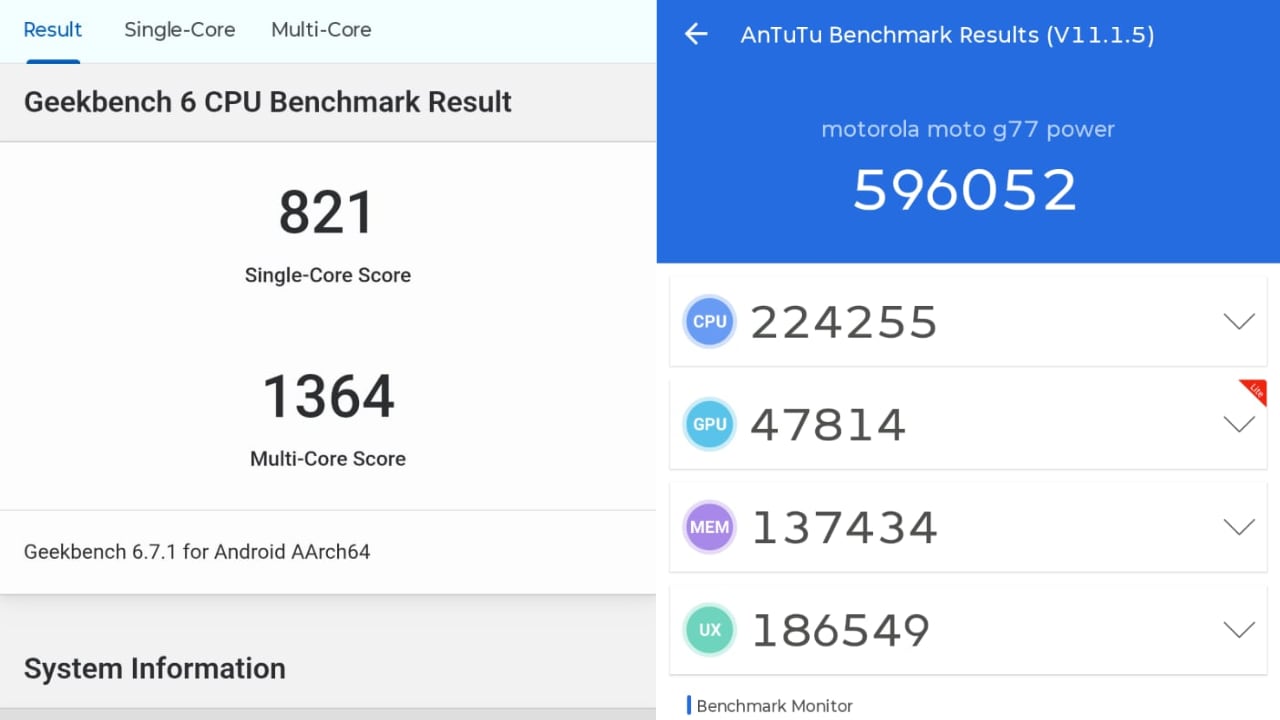
So, for everyday usage, the Moto G77 Power is reliable. But at this price, I would have preferred a more powerful processor.
The Moto G77 Power runs Android 16 out of the box with Motorola’s Hello UI on top. The software experience remains one of the better things about Motorola phones. The interface is clean and doesn’t feel overloaded with unnecessary customisations. You get familiar Moto features such as the chop gesture to turn on the flashlight, twisting the phone to open the camera and Smart Connect for connecting the phone with other devices.
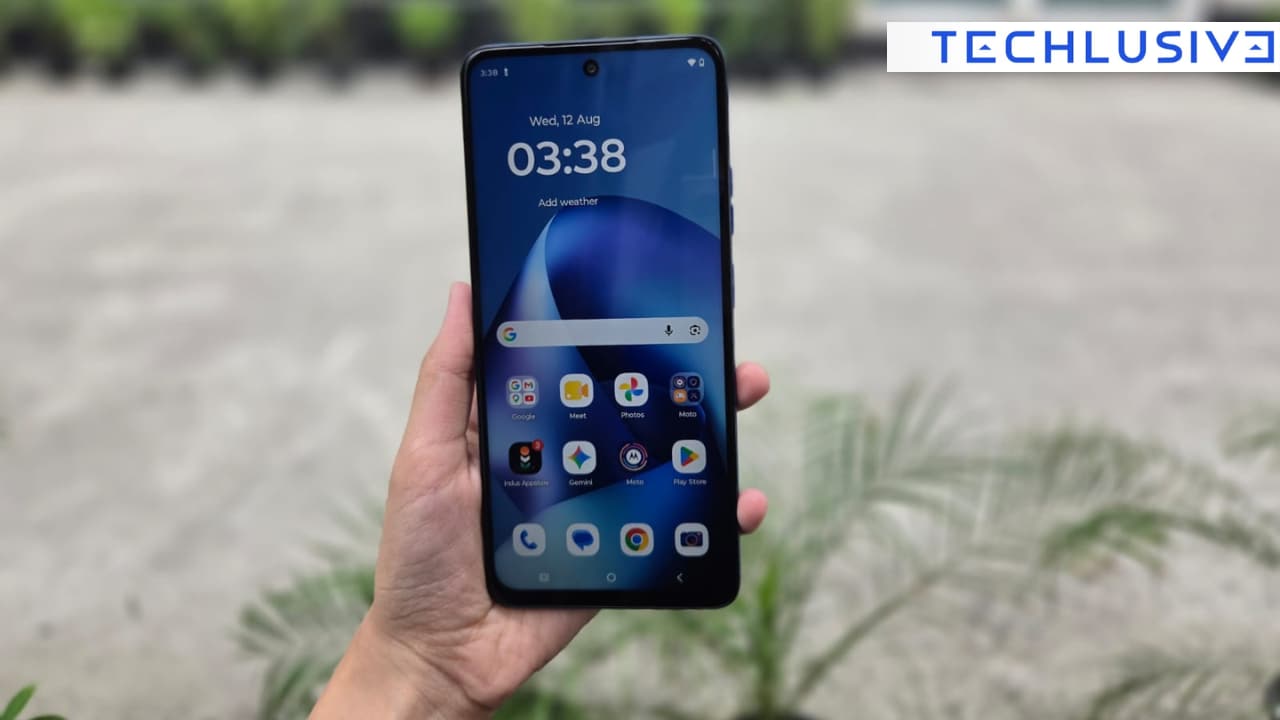
However, there are some pre-installed third-party apps. During setup, I found apps such as Instagram, Facebook, LinkedIn, Meesho and Blinkit already installed, along with Motorola’s own apps and the Indus App Store. Thankfully, most of these can be uninstalled or removed.
The bigger issue is the update policy. Motorola promises just one major Android OS upgrade, taking the phone from Android 16 to Android 17, along with three years of security updates. At Rs 25,999, this feels difficult to justify when several competitors are offering longer software support.
The Moto G77 Power gets a 50MP Sony LYTIA 600 primary camera with PDAF, paired with an 8MP ultra-wide camera. For selfies, there is a 32MP front camera.

The primary camera is capable of taking decent daylight photos. Images generally have good exposure and the autofocus works quickly. However, I noticed that the processing can sometimes be inconsistent. Some daylight photos have slightly warmer or more saturated tones than expected, while details can soften when you zoom into the image.
The ultra-wide camera is clearly weaker. It maintains reasonable colour consistency with the primary camera, but details drop noticeably. Portrait shots are better. The subject generally looks sharp and the background blur is convincing, although edge detection can still struggle in certain situations.
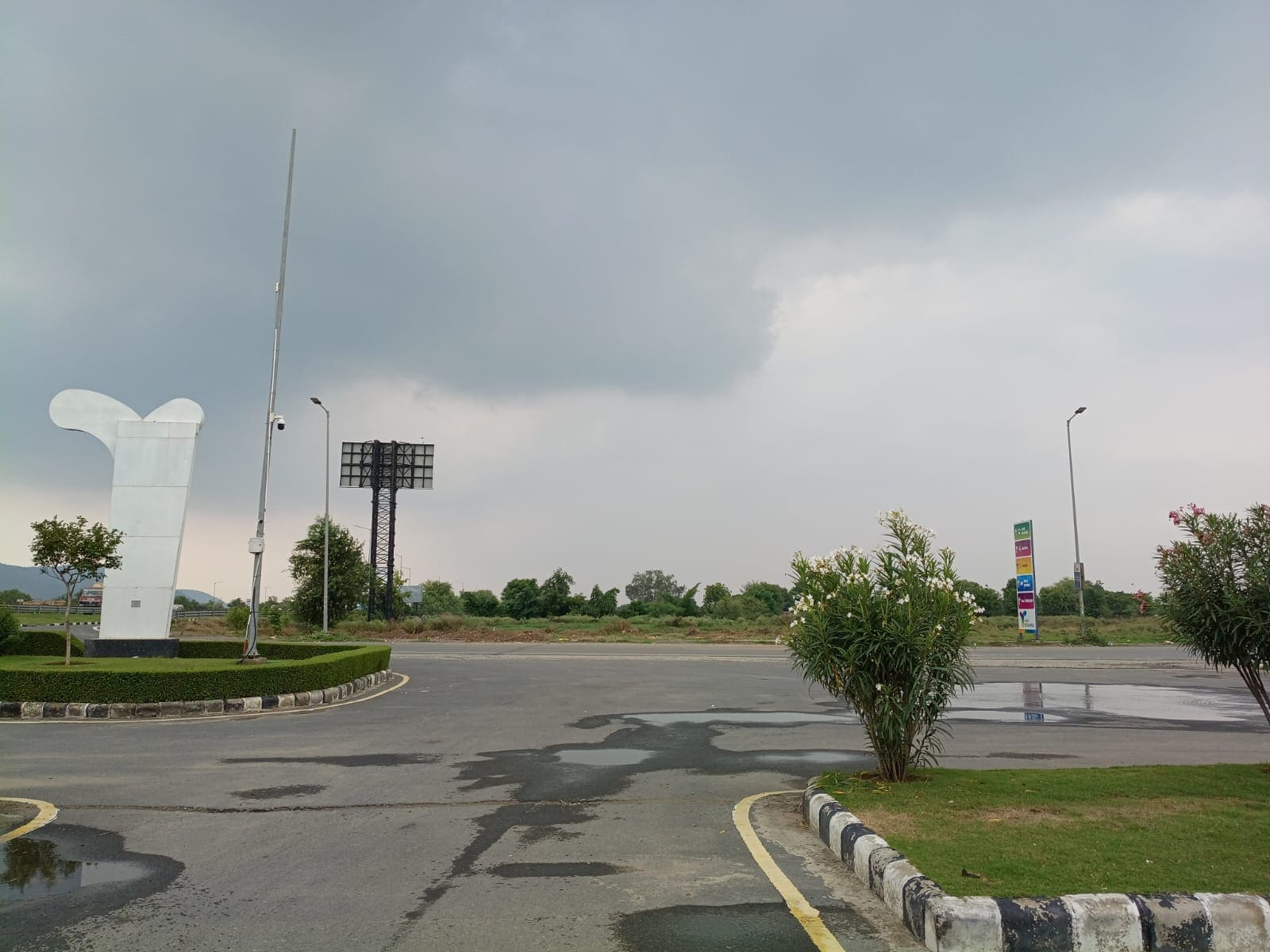





The 32MP selfie camera is another area where the phone does reasonably well. In good lighting, selfies are sharp and colours look natural enough.
Low-light performance from the primary camera is acceptable. It can retain a reasonable amount of exposure, although details become softer in darker scenes, especially without the help of OIS.
The biggest reason to buy the Moto G77 Power is still sitting inside the phone — the 7,000mAh battery. And after using the phone for more than a month, I can say that the battery life is genuinely strong. With regular usage involving work, social media, browsing, watching videos and messaging, the phone could easily get through a full day with plenty of battery left. With lighter usage, it was possible to continue into the next day without reaching for the charger.
Charging, however, is a different story. The phone supports 30W TurboPower charging and charging a 7,000mAh battery takes time. A full charge from 0 to 100 per cent took around 1 hour and 40 minutes. So yes, the battery is excellent. But the charging speed isn’t exactly keeping up with what some competitors now offer.
The Moto G77 Power is not a bad smartphone. In fact, there are quite a few things I like about it. The 7,000mAh battery delivers longer usage, the vegan leather finish feels comfortable, the software is clean, and the 3.5mm headphone jack is a welcome addition. The primary camera is also capable of producing good results in the right conditions, while everyday performance remains reliable.
But the problem is the price.
At Rs 25,999, the Moto G77 Power enters a segment where compromises are harder to ignore. You get an LCD display when competitors are offering AMOLED panels, a Dimensity 6400 chipset when more powerful processors are available, relatively slow charging for a 7,000mAh battery and just one Android OS upgrade.
The Moto G77 Power still makes sense if your priority is battery life and you simply don’t want to worry about charging your phone every day. But if you are looking for the most complete smartphone under Rs 30,000, the G77 Power becomes a difficult recommendation.

The Power series used to have a very simple proposition — get a big battery without making too many compromises elsewhere. With the Moto G77 Power, the battery is still doing most of the heavy lifting. And at Rs 25,999, I’m not sure that’s enough anymore!