Written By Divya


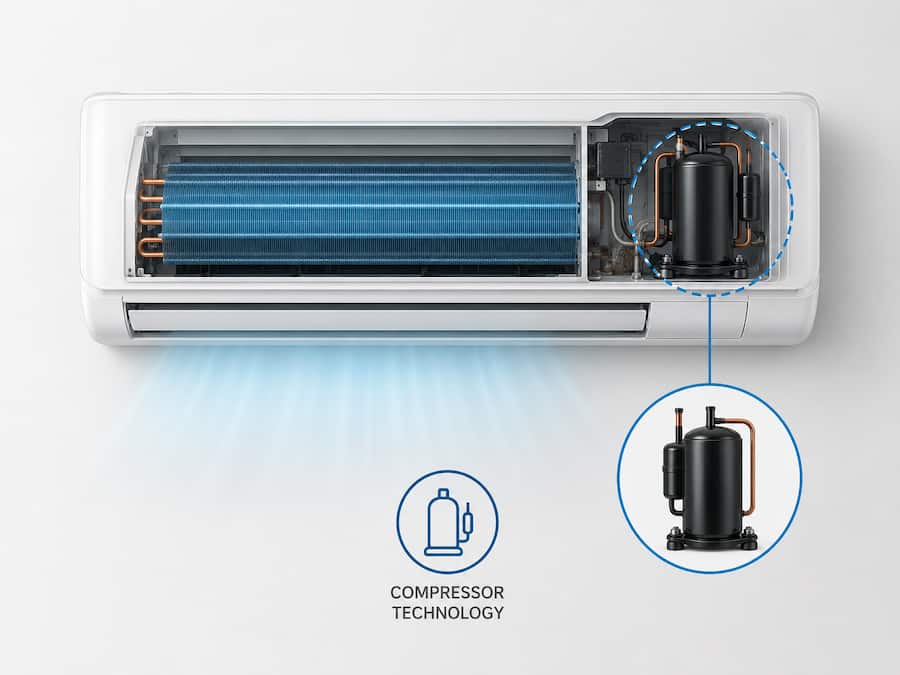
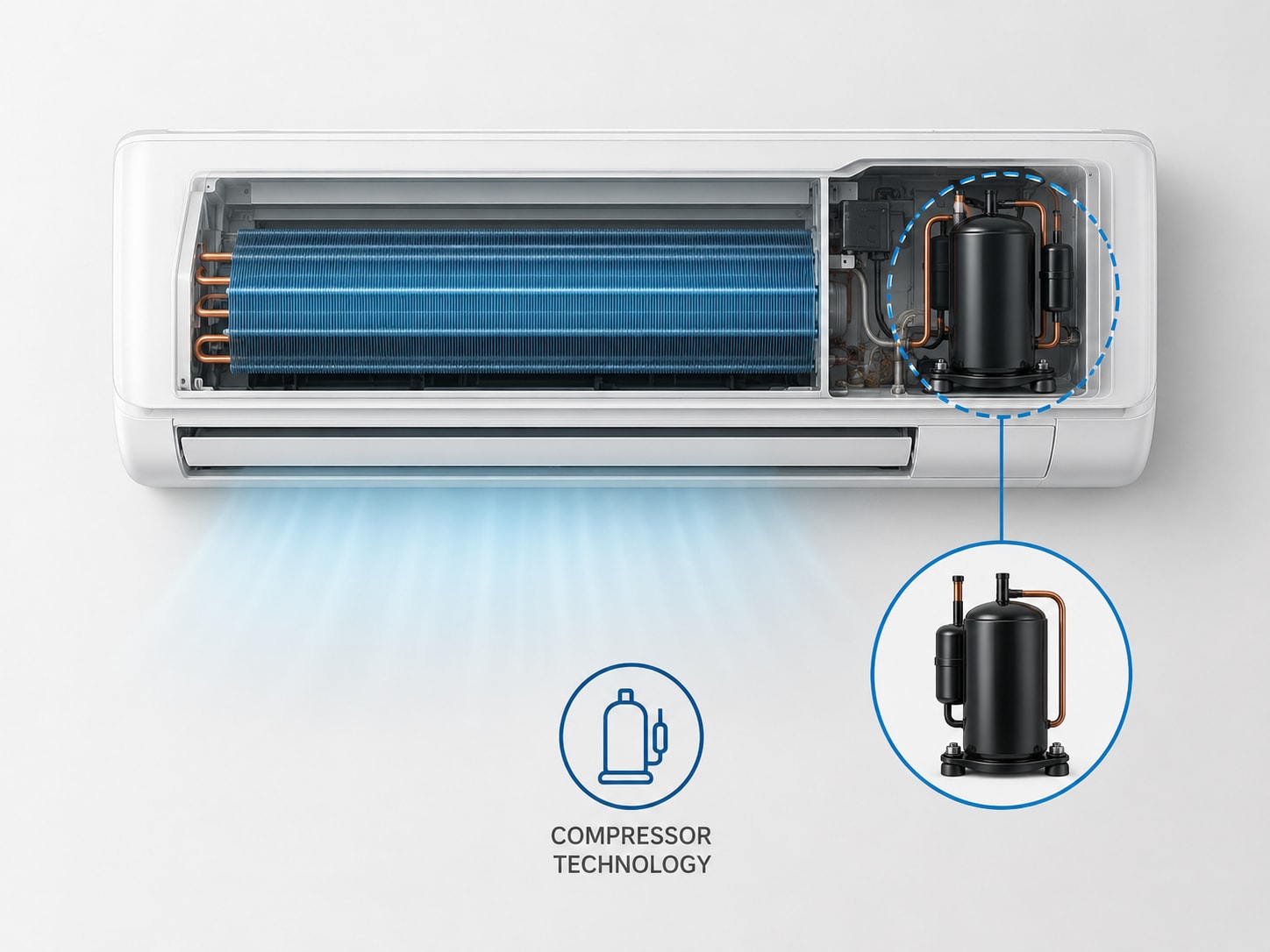
A single inverter AC uses one rotary compressor to adjust cooling. A dual inverter AC uses a twin-rotary compressor setup, which allows better operation and control over cooling performance.


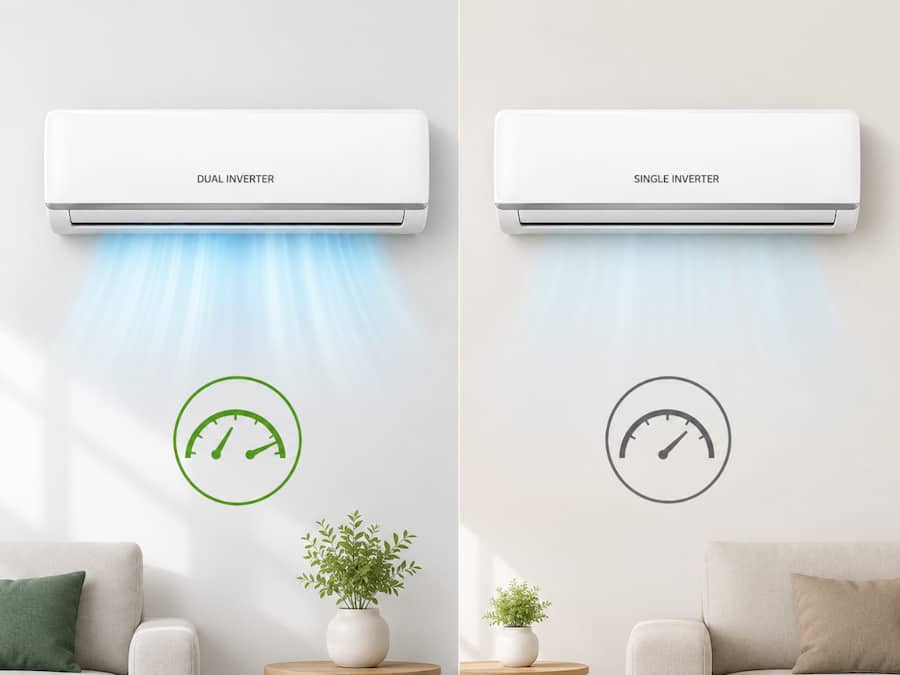
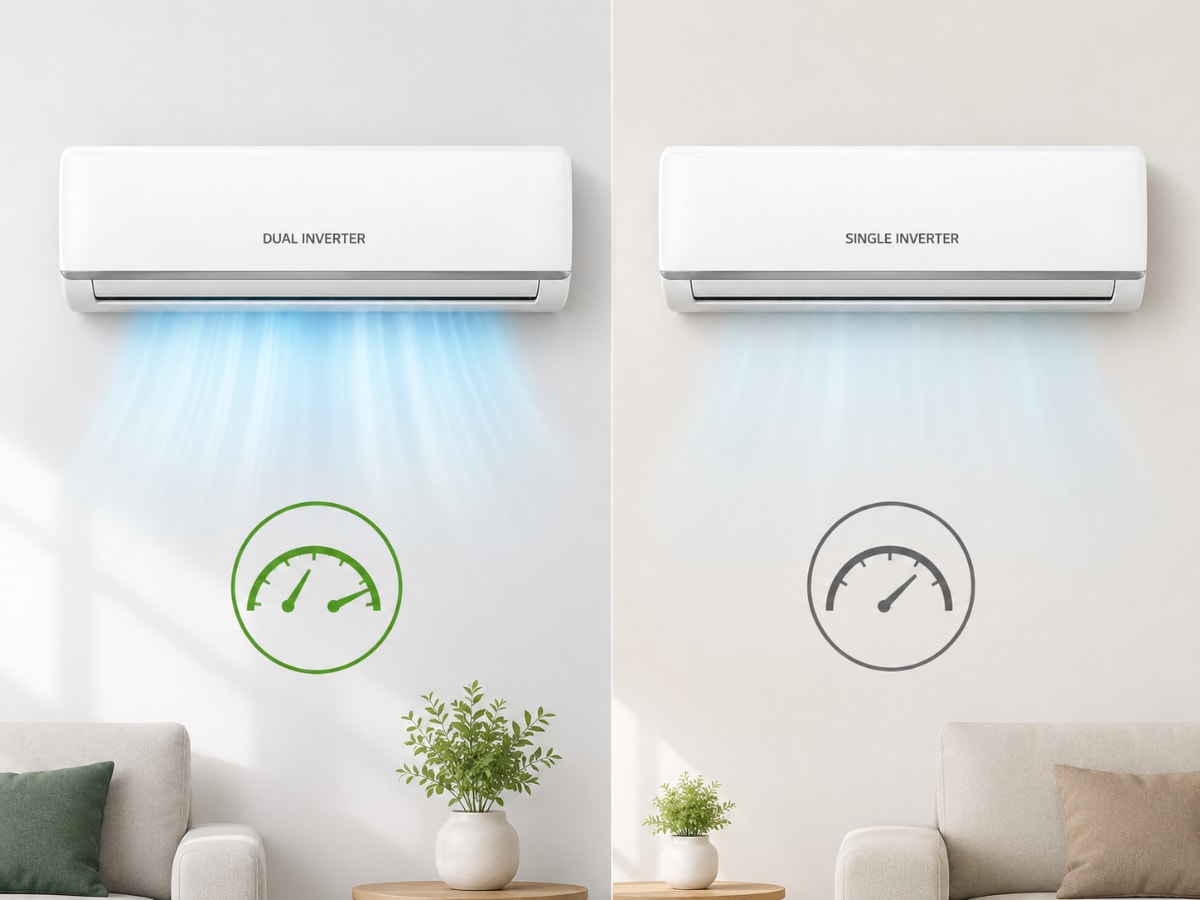
Dual inverter ACs usually cool rooms faster because the compressor can operate across a wider range of speeds. Single inverter models cool efficiently too, but they generally take slightly longer to reach the desired temperature.
Both save more power than non-inverter ACs. However, dual inverter ACs are typically more energy-efficient because they maintain temperatures with fewer fluctuations and less compressor stress.


Dual inverter ACs are better at maintaining a consistent room temperature. Single inverter ACs may show slightly larger temperature variations as the compressor adjusts cooling levels.


One of the biggest advantages of dual inverter technology is quieter operation. Since the compressor runs more smoothly, there is less vibration and noise compared to many single inverter ACs.
Because the compressor experiences smoother operation and less frequent stress, dual inverter ACs are often considered better for long-term reliability, especially in areas where ACs run for many hours daily.


Single inverter ACs are usually more affordable. Dual inverter models often cost a bit more upfront, which can make you think twice, especially when shopping on a budget.
If the AC will run for long hours every day, a dual inverter model usually makes more sense because of better efficiency and quieter performance. For occasional usage and tighter budgets, a single inverter AC can still be a good choice.

Don't Miss Out the Latest Updates. Subscribe to Our Newsletter Today!