
Written By Shubham Arora
Published By: Shubham Arora | Published: Jan 29, 2026, 07:07 PM (IST)


Written By Shubham Arora
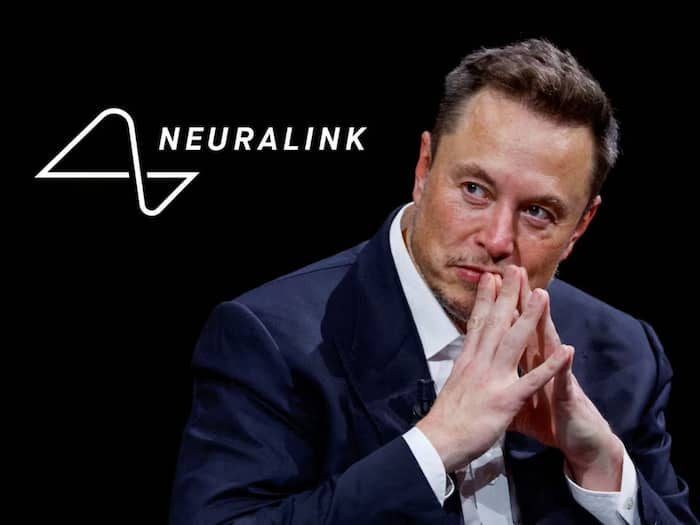
Neuralink is preparing for its first human implant of a brain device designed to help restore vision, according to statements shared by Elon Musk. The device, called Blindsight, is aimed at people who are completely blind and is awaiting regulatory approval before it can be tested in a human patient.  Also Read: Elon Musk’s X could change blue check rules in Europe after massive Rs 1,267 crore penalty
Blindsight is not designed to restore eyesight instantly or bring vision back to normal levels. Instead, the goal is to help the brain receive visual information again by sending signals directly to the visual cortex. Musk has said the device is intended for people with total vision loss, including those with no light perception. Also Read: Elon Musk’s X Money payments feature to begin early access in April
In its early stages, the visual experience is expected to be limited. Musk compared it to low-resolution or pixelated images. Over time, as the brain adapts to the signals, the quality of vision could gradually improve. The idea is to first help users pick up basic shapes, movement, and outlines, rather than deliver detailed images right away. Also Read: Elon Musk’s X begins testing standalone X Chat app on iOS: What we know
Unlike traditional treatments that attempt to repair the eyes or optic nerves, Blindsight bypasses those parts entirely. The implant sends information straight to the brain, which means it could work even in cases where other treatments have not helped. This direct connection to the brain is a key part of what Neuralink is trying to build.
Neuralink has already implanted similar devices in a small number of patients with paralysis. Those patients have used the implants to interact with computers, type, and play games using brain signals. Restoring vision, however, presents a different and more complex challenge.
Musk has also spoken about what comes next. Neuralink is also working on a newer version of the implant. According to Musk, the next version is expected to be about three times more capable than the current one. This newer implant is expected to be ready by late 2026.
The company is also improving the surgical process. A new version of Neuralink’s surgical robot is being developed, which is said to be much faster at inserting the fine threads used in the implant. According to Musk, the updated system can place threads in about 1.5 seconds, compared to around 17 seconds previously.
For now, Blindsight has not yet been implanted in a human. Neuralink is waiting for regulatory clearance before moving ahead with the first trial. As reported by multiple outlets, including statements made by Musk himself, the company says it is ready to proceed once approval is granted.

If the first implant goes ahead as planned, it would mark Neuralink’s first attempt at using its technology to restore vision in humans.

Don't Miss Out the Latest Updates. Subscribe to Our Newsletter Today!