
Written By Deepti Ratnam
Published By: Deepti Ratnam | Published: Apr 06, 2026, 09:23 AM (IST)
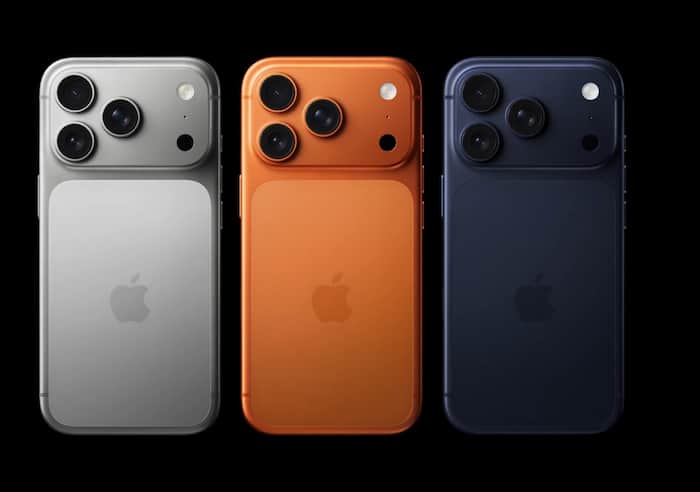
 iPhone 17 Pro Max on Artemis II


Written By Deepti Ratnam
NASA’s first crewed mission, the Artemis II is gaining attraction worldwide however an unusual step has garnered attention across the globe. NASA has allowed its astronauts to carry smartphones into deep space.  Also Read: NASA astronauts carry iPhone 17 Pro Max on Artemis II Mission: Here's why
This is the first time that NASA has approved to carry iPhones for its first-ever crewed mission. Nevertheless, the use of iPhone is strictly controlled. Interestingly, the iPhones are not prototypes but regular iPhone 17 Pro Max. Moreover, such units are highly tested in terms of safety before they are approved. Also Read: iPhone 17 Pro Max available at lowest price online: Here’s how to get the deal
NASA conducted a thorough evaluation and investigation process before approving to carry iPhone 17 Pro Max in its Artemis II mission. For this, the space agency first introduced the phones to a safety panel. In second level, potential hazards were identified. These safety hazards include risks from glass breakage, lose parts, and battery issues in microgravity. Also Read: MacBook Neo 2 may get iPhone 17 Pro chip and touchscreen display
In third part, NASA conducted mitigation plans to manage these risks. Finally, put together all the validation and it confirmed that all precautions worked effectively. Not only this, NASA even treated some minor concerns seriously, including cracked screen. This is because floating fragments in zero gravity could be dangerous.
To recall, Apple launched iPhone 17 Pro Max with Ceramic Shield glass, which helps with durability. Nevertheless, NASA considered heat management along with battery stability too before deciding to send it into space. Other than this, the space agency also tested storage safety to make sure that every phone is adapted to their new environment. Additionally, this also ensured that it would not interfere with other onboard systems.
Wi-Fi connections, Bluetooth connections, and cellular connections will be turned off. These iPhones will only be utilized in taking pictures and recordings in the spacecraft.
Astronauts will use their iPhones to document daily activities and record unique moments in space. Mounting and storage solutions will be simple, but effective. What’s more, some phones will be attached using Velcro. However, some will be secured in astronaut flight suits.

The use of iPhones in space is a part of a larger plan of incorporating common technology into scientific projects. This will help to render the space travel more relatable to the general population. Knowing when people will see astronauts with similar devices on earth could aid in making them associate missions such as Artemis II more personally.

Don't Miss Out the Latest Updates. Subscribe to Our Newsletter Today!