Written By Deepti Ratnam
Published By: Deepti Ratnam | Published: Jun 15, 2026, 09:48 AM (IST)
 Anthropic pushes to bring back Fable 5 and Mythos 5 for global users


Written By Deepti Ratnam
Anthropic is reportedly planning to have discussions with the US officials after the ban of its advanced AI models: Fable 5 and Mythos 5. The tech giant was forced to suspend the systems for users around the world. However, as per new report, the senior executives and technical staff of the company are set to meet officials in Washington. The meeting will address concerns that led to the restrictions of Fable 5 and Mythos 5.  Also Read: Anthropic’s Mythos 5 AI model returns with restrictions: Here’s who can use it
This is the crucial time for Anthropic after the launch of its latest AI models as they were made unavailable globally. Not just this, the suspension also affected users in India, Europe, and other global markets. The tech giant will reportedly explain safeguards that’s embedded inside its AI models. Furthermore, Anthropic is also planning to discuss about possible measures that can help meet government requirements. Also Read: Claude Tag explained: The AI assistant that stays inside your Slack channels
This is one of the closely watched AI policy disputes of the year, and hence, this discussion will play a major role in deciding what will be the future of Anthropic’s AI models. The ban also highlights the growing tension between advanced artificial intelligence and government concerns around the national security. Also Read: Anthropic shuts down Claude Fable 5 and Mythos 5 days after launch: Here’s why
One of the main objectives of this discussion is to resolve the dispute between Anthropic and the US government. It will resolve the dispute that quickly emerged after the launch of Anthropic’s new AI models called Fable 5 and Mythos 5. To recall, the issue escalated after the US authorities raised concerns about the capabilities of the models.
In addition, they also raised concerns regarding the safety mechanisms of the models as they were not robust enough to prevent misuse.
The company is reportedly planning to provide details about the security measures built into the systems. As part of the meetings, Anthropic will explain effectively about how the company seeks to prevent harmful or unauthorized use. Besides this, the discussion could also include additional safeguards and potential modifications that may address the government concerns.
The controversy and ban immediately began after the launch of Anthropic’s new AI model Fable 5 and Mythos 5. Both the models are believed to be company’s most capable AI systems so far. This led to the reports that US officials became concerned about the models and that foreign users could gain access to advanced AI capabilities and it might be used for tracking sensitive information and cybersecurity related activities.
All these concerns together resulted in an export control order that gave rise to Anthropic to restrict access to the models. What’s important here is that the company coukd not easily implement the restrictions on a country-by-country basis and that’s the main reason it suspended access globally while discussions with officials continue.
This restrictions blocked users in multiple regions from accessing the new AI models.
The restrictions of Fable 5 and Mythos 5 have impacted researchers, developers, businesses, and startups. Since the suspension applies globally, users all over the world, including India have been affected. Europe is also not untouched by the suspension along with other international markets.
This situation has also led to one of the most renewed discussions around the dependence of foreign AI platforms. Industry leaders and researchers are arguing that countries should continue investing in domestic AI research and open source technologies. This will help in reducing reliance on a small number of global providers.
Talking about the businesses that are integrating advanced AI into their products and services, they need to be more vigilant as this serves as a stark reminder that regulatory decisions that can have immediate consequences for technology access.
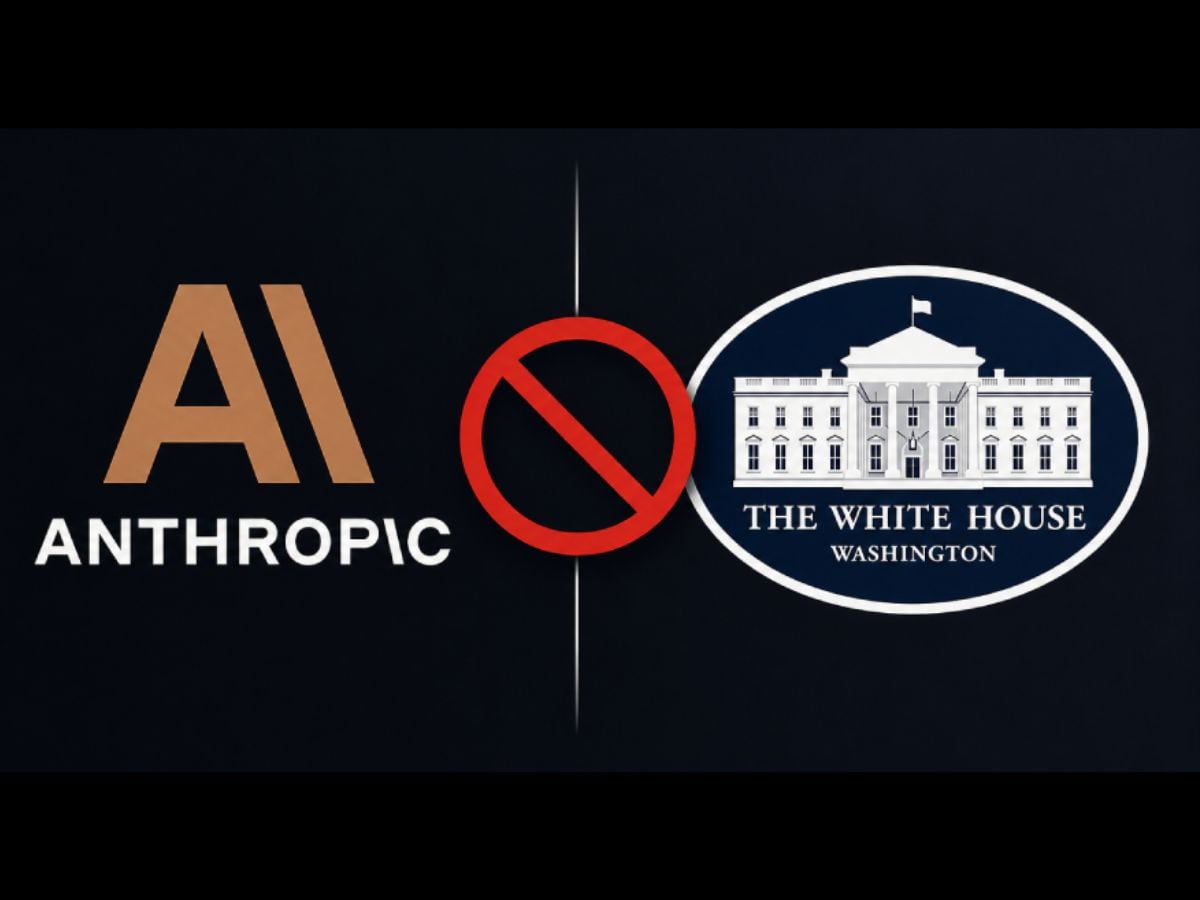
This dispute is an important test case for government about how they should regulate increasingly powerful AI models in the future.

The AI system in today’s scenario is becoming more capable, and hence, policymakers are facing growing concerns and pressure to balance innovation with security concerns. Advanced models require additional safeguards and this is the reason that critics and supporters of stronger oversight argues that excessive limitations could limit innovation and slow technological progress.

Don't Miss Out the Latest Updates. Subscribe to Our Newsletter Today!