Written By Divya
Published By: Divya | Published: Mar 09, 2026, 05:36 PM (IST)


Written By Divya
The smartphones in the sub-Rs 20,000 segment are rarely exciting enough to catch your attention. They come as a “safe recommendation” which usually gets the basics right with decent performance, reliable battery life, and enough features to keep most users happy. The Poco M8 5G seems to follow the same pattern.  Also Read: POCO X8 Pro series India launch could happen this month: What to expect
On paper, it looks like a solid upgrade over the previous generation. At Rs 18,999, there’s a curved AMOLED display, a Snapdragon 6 Gen 3 processor, a large battery, and even a surprisingly slim design for the price. But specifications rarely tell the full story. Also Read: Best budget smartphones under Rs 20,000 you can buy today
After spending over a month with the Poco M8 5G and looking at how it performs beyond the first impressions, here’s what I found to be worth buying and some reasons why you might want to skip it.
| Display | 6.77-inch AMOLED display, 120Hz |
| Battery & Charging | 5,520mAh; 45W wired |
| Storage |
8GB+256GB | 8GB+512GB |
| Processor | Snapdragon 6 Gen 3 |
| Rear Camera | 50MP main + 2MP depth |
| Front Camera | 20MP |
| Operating System | Xiaomi HyperOS 2, based on Android 15 |
| Colours | Black, Silver, Green |
| Price | Rs 18,999 |
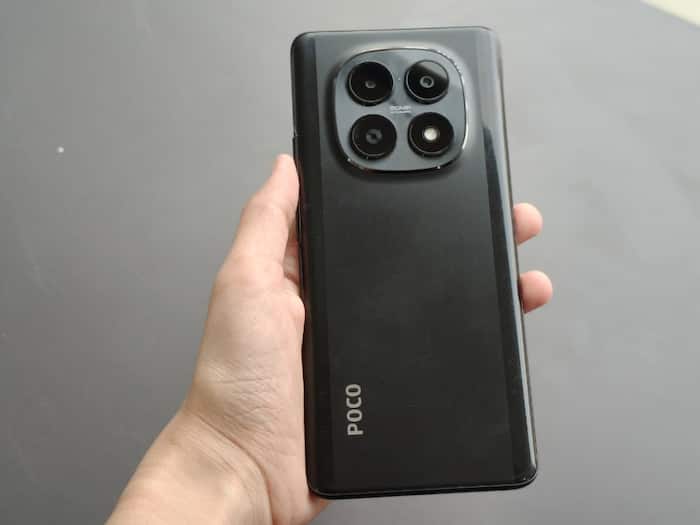
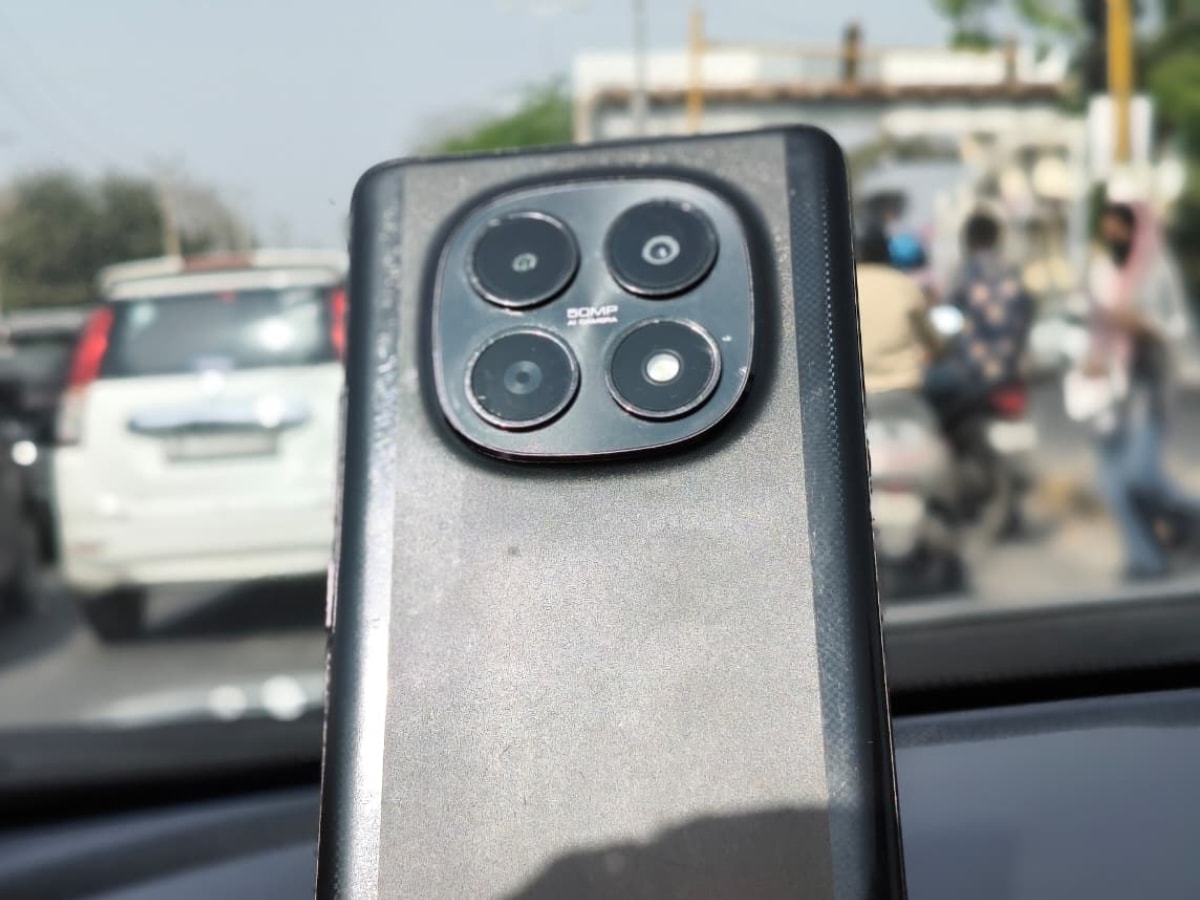 One thing Poco has done really well with the M8 5G is the design. At 7.35mm thickness and around 178 grams, the phone feels lighter and slimmer than many devices in this price range. The curved edges also make it comfortable to hold, even for extended hours of use. In the budget segment, most of the phones try to pack a large battery, which ultimately results in a chunky device; however, the Poco M8 manages to avoid that problem. The tradeoff is that the frame is of plastic, which resulted in several scratches and smudges over a period of time. To avoid this, a protective case is much needed.
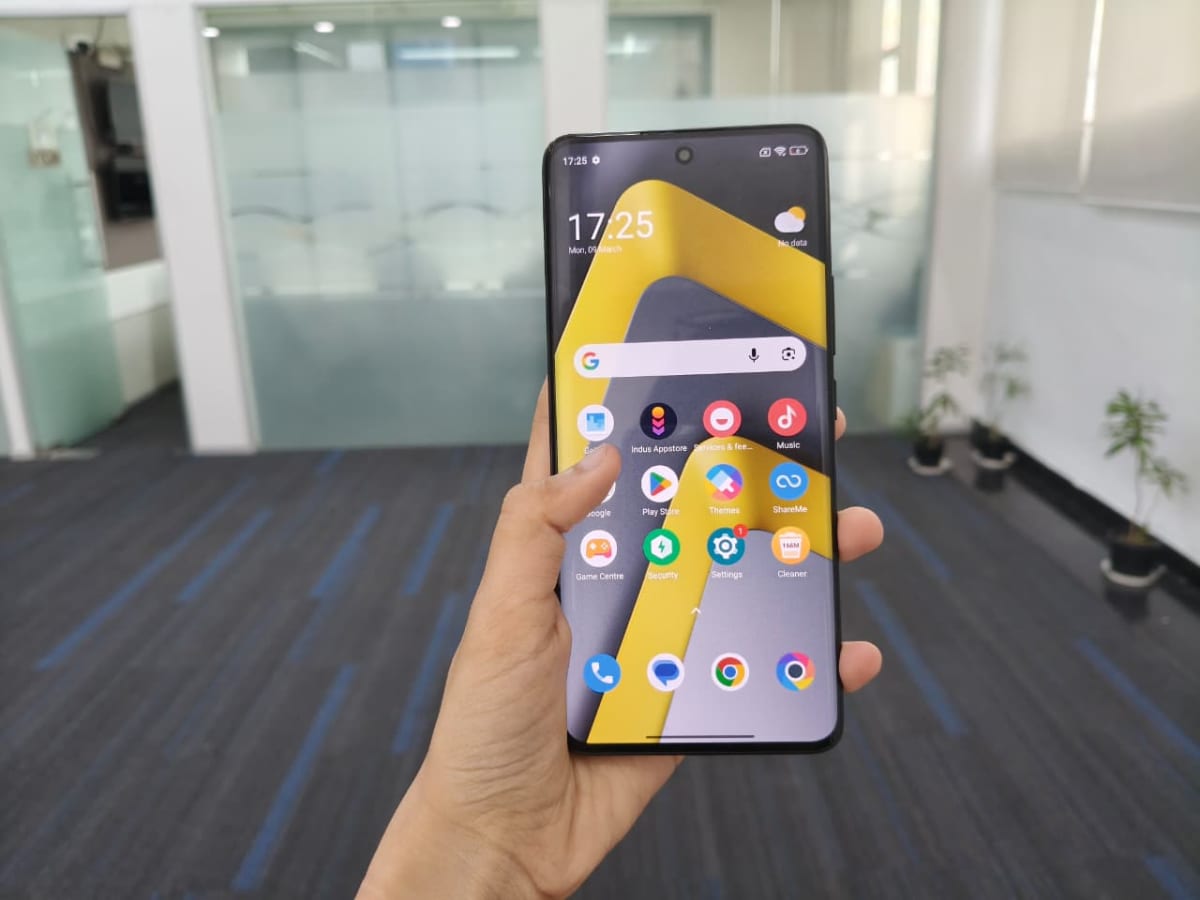 Comparing with the Poco M7, the display was the first thing I noticed. The Poco M8 5G gets a 6.77-inch curved AMOLED panel with a 120Hz refresh rate. Colours look punchy, blacks are decently deep, and scrolling around the interface feels noticeably smoother compared to the LCD panel on the previous model. Whether I was browsing social media or just navigating through apps, the high refresh rate actually results in making the experience smooth. Legibility under the sunlight is not an issue either. With a claimed peak brightness of around 3,200 nits, I didn’t really struggle with readability even under direct sunlight.
The only thing missing here is HDR support. Apps like Netflix or YouTube won’t play HDR content at full capability. That said, considering the price segment, this is still one of the better displays you’ll find.
Under the hood, the Poco M8 5G runs on the Snapdragon 6 Gen 3, paired with up to 8GB RAM and 256GB storage. In day-to-day usage, the phone feels comfortable. Messaging, browsing, social media, video streaming, and jumping between apps didn’t cause any major hiccups during my use. During my usage, animations stay smooth and the phone rarely feels sluggish during regular tasks.
If you are someone who regularly games on their device, then the Poco M8 is just.. “Decent!” I tried games like Asphalt Legends and Call of Duty: Mobile, which run fine on lower graphics settings. However, if you push the graphics higher, you may notice some heating and frame drops after longer sessions.
Battery life, though, is easily one of the stronger parts. The 5,520mAh battery consistently lasted more than a full day for me with normal usage. Even on days with a bit of gaming, streaming, and plenty of scrolling, the phone comfortably supported till the end of the day. And when it’s time to charge, the 45W fast charging helps to juice up the battery in roughly a little over an hour.
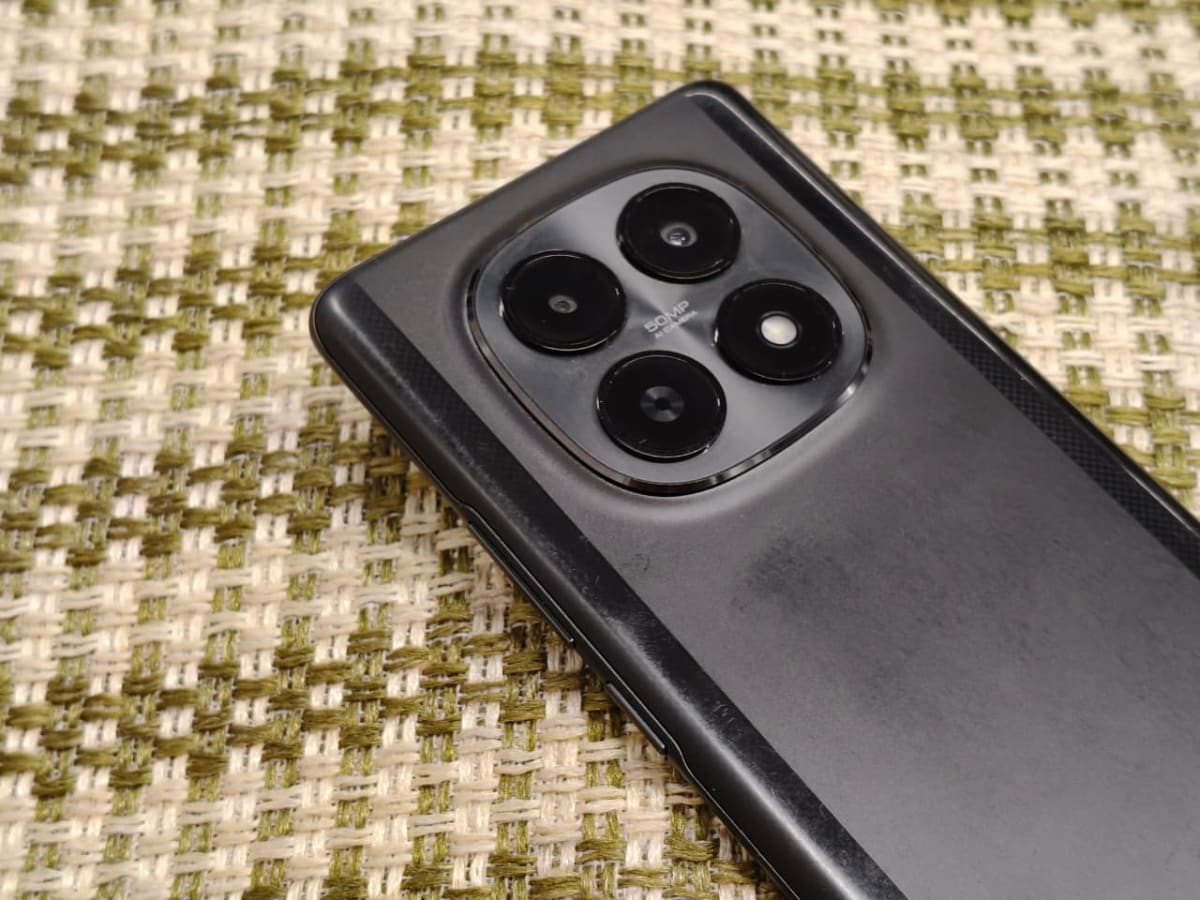 This is where Poco starts struggling. The Poco M8 features a 50MP primary camera coupled with a 2MP depth sensor, along with a 20MP selfie camera. In good lighting, photos are usable. Details are decent, and the camera captures contrast, which is manageable. But the results aren’t particularly impressive. Colours sometimes appear inconsistent, sometimes leaning too warm or slightly artificial.
Low-light photography is another weak area. Images often appear grainy and struggle with exposure balance, even when night mode is enabled. Selfies are something which I find to be highly inconsistent in maintaining skin tone and details. In short, the camera works fine for casual photography, but if photography is your top priority, there are better options in this price range.
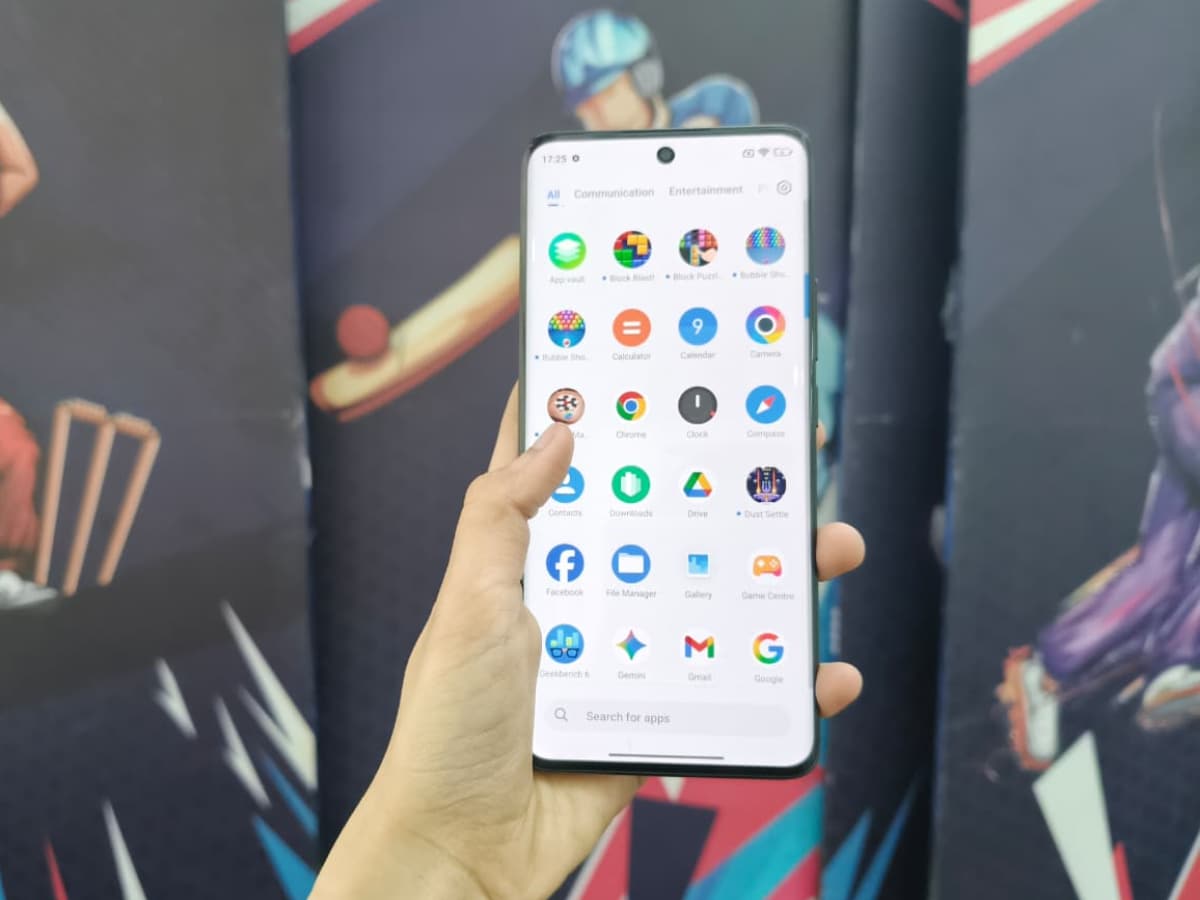
The Poco M8 5G runs Android 15 with HyperOS 2. The interface itself feels smooth and includes useful features like Circle to Search, Gemini integration, and customisation options. However, the biggest drawback is the number of pre-installed apps.
Many third-party games and apps come installed out of the box, which makes the interface feel cluttered initially. Thankfully, most of these can be removed manually, but it still feels unnecessary. On the plus side, Poco promises four years of Android updates and six years of security updates, which is excellent for a phone in this segment.
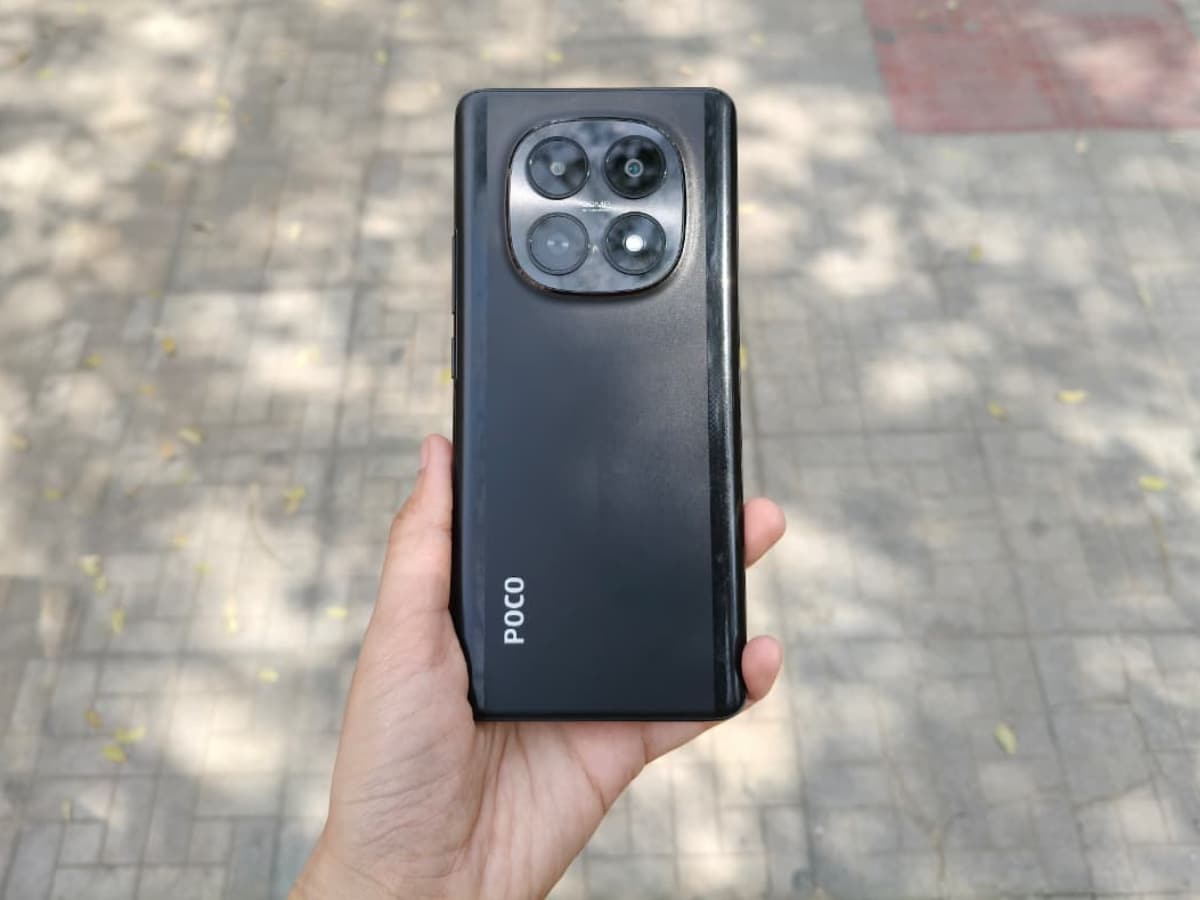
After spending a month with Poco M8 5G, one thing is clear — it rarely tries to grab attention with a particular segment of users. Instead, it is reliably a simple device for those who want a decent performance, an AMOLED display for a binge-watching experience, and an excellent battery life. Something that most people really need in daily life.

At the same time, the phone makes a few compromises. The cameras are average, and the software includes too much bloatware out of the box. But if you’re looking for a balanced, no-nonsense 5G phone under Rs 20,000 that handles everyday tasks smoothly, the Poco M8 5G is still a sensible option. It may not be the most exciting phone in its category, but sometimes, being consistent is enough.

Don't Miss Out the Latest Updates. Subscribe to Our Newsletter Today!