Written By Divya
Edited By: Divya | Published By: Divya | Published: Mar 31, 2026, 05:25 PM (IST)
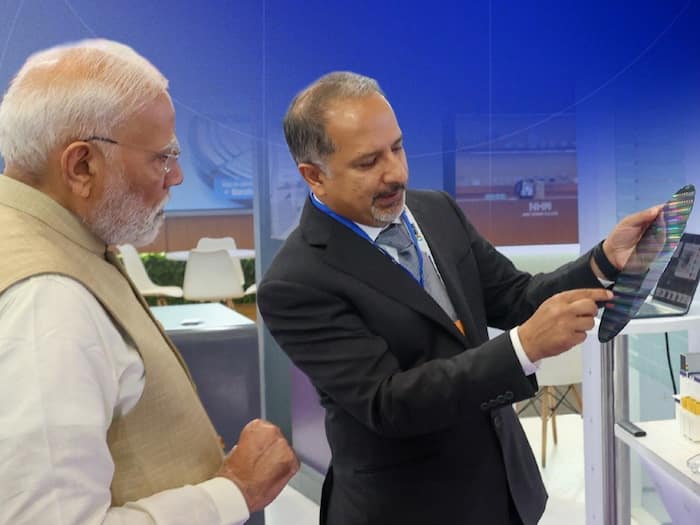
 PM Modi Opens New Semiconductor Unit in Sanand (Image credits: PMO/X)


Written By Divya
Semiconductor in India is getting a major push. Narendra Modi has inaugurated a Rs 3,300 crore semiconductor facility by Kaynes Semicon in Sanand, Gujarat. This is said to be the second operational semiconductor facility in India which shows that the country is finally moving from planning to the actual execution.  Also Read: Big move by Prime Minister Narendra Modi: 2 semiconductor units approved in Gujarat
Unlike full chip fabrication units, this facility focuses on a crucial part of the process – assembly, packaging, and testing, also known as OSAT (Outsourced Semiconductor Assembly and Test). In simple terms, once chips are manufactured, they still need to be packaged and tested before they can be used in devices. That’s exactly where this plant comes in. Also Read: Apple may turn to Samsung or Intel for future iPhone chips; Here's why
The facility has already started operations and is expected to scale up significantly over time. Also Read: Ex-Google engineers accused of stealing Tensor chip trade secrets
It must be noted that India has been relied on semiconductor imports for a long time. The new Semiconductor plant in Gujarat is a baby step to reduce the dependency. This move is part of a larger plan to reduce that dependency and build a more self-reliant electronics ecosystem. The plant will initially produce Intelligent Power Modules (IPMs), components widely used in electric vehicles, industrial systems, and energy-efficient appliances.
Once fully operational, the facility is expected to handle millions of units per day, catering not just to domestic demand but also global markets. This project is being developed under the India Semiconductor Mission, which is basically to strengthen the country’s position in the global chip supply chain.
Interestingly, a significant portion of the output is already expected to go for exports. That aligns with the broader “Make in India, Make for the World” approach. The launch also comes shortly after another semiconductor facility by Micron, showing that activity in this space is picking up pace.
The semiconductor ecosystem is not just about one plant. It includes raw materials, packaging, testing, and integration. Projects like this help build that chain step by step. For users, it may not have an immediate visible impact. But in the long run, it can lead to better supply stability, reduced costs, and stronger local manufacturing.

India is still early in the semiconductor race, but moves like this show steady progress. It may not be a full-scale chip factory yet, but it’s a practical step in building the ecosystem needed to get there.

Don't Miss Out the Latest Updates. Subscribe to Our Newsletter Today!