


Written By Divya
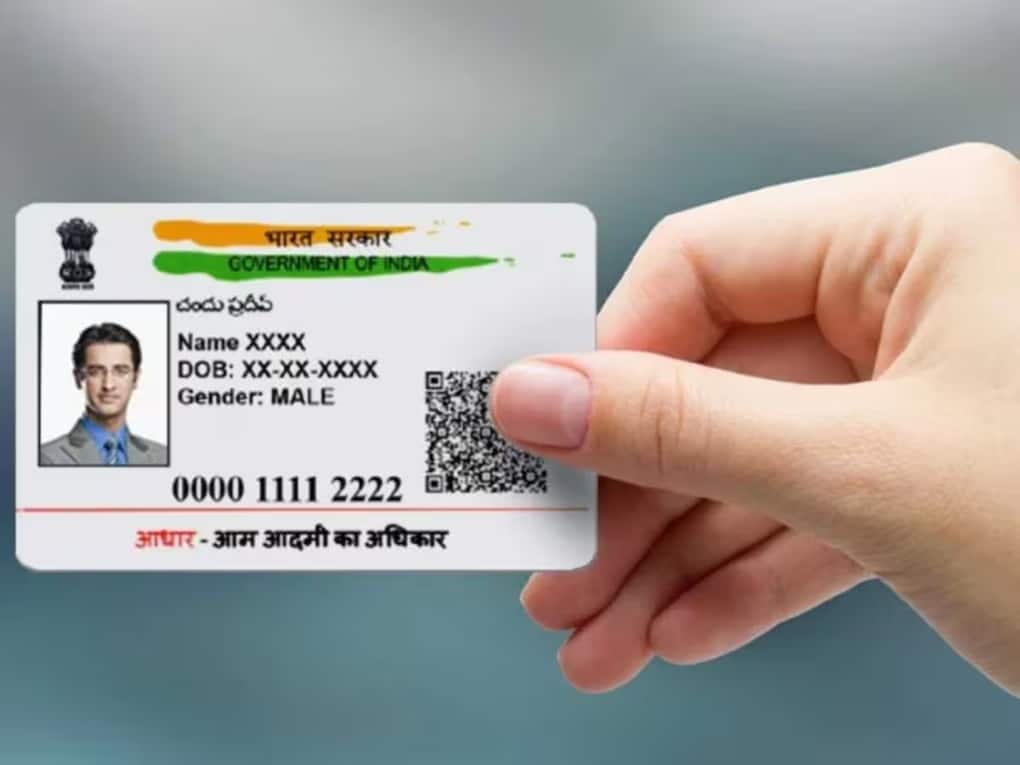
People are still struggling to understand the nuances of all the cybercrimes; there is now another pattern which is making everyone worry. What’s more worrying is that AI is at the heart of it. In Ahmedabad, cybercrime police have uncovered an AI-based fraud where scammers reportedly tampered with Aadhaar-linked data to gain access to banking and digital platforms.  Also Read: How to add Email ID on Aadhaar Card using the Aadhaar App for FREE: Steps here
As per a report by TOI, the case started with a simple complaint, but what came out of it shows how quickly scams are evolving. Here’s what happened. Also Read: Aadhaar linked to multiple bank accounts? Here's how to check
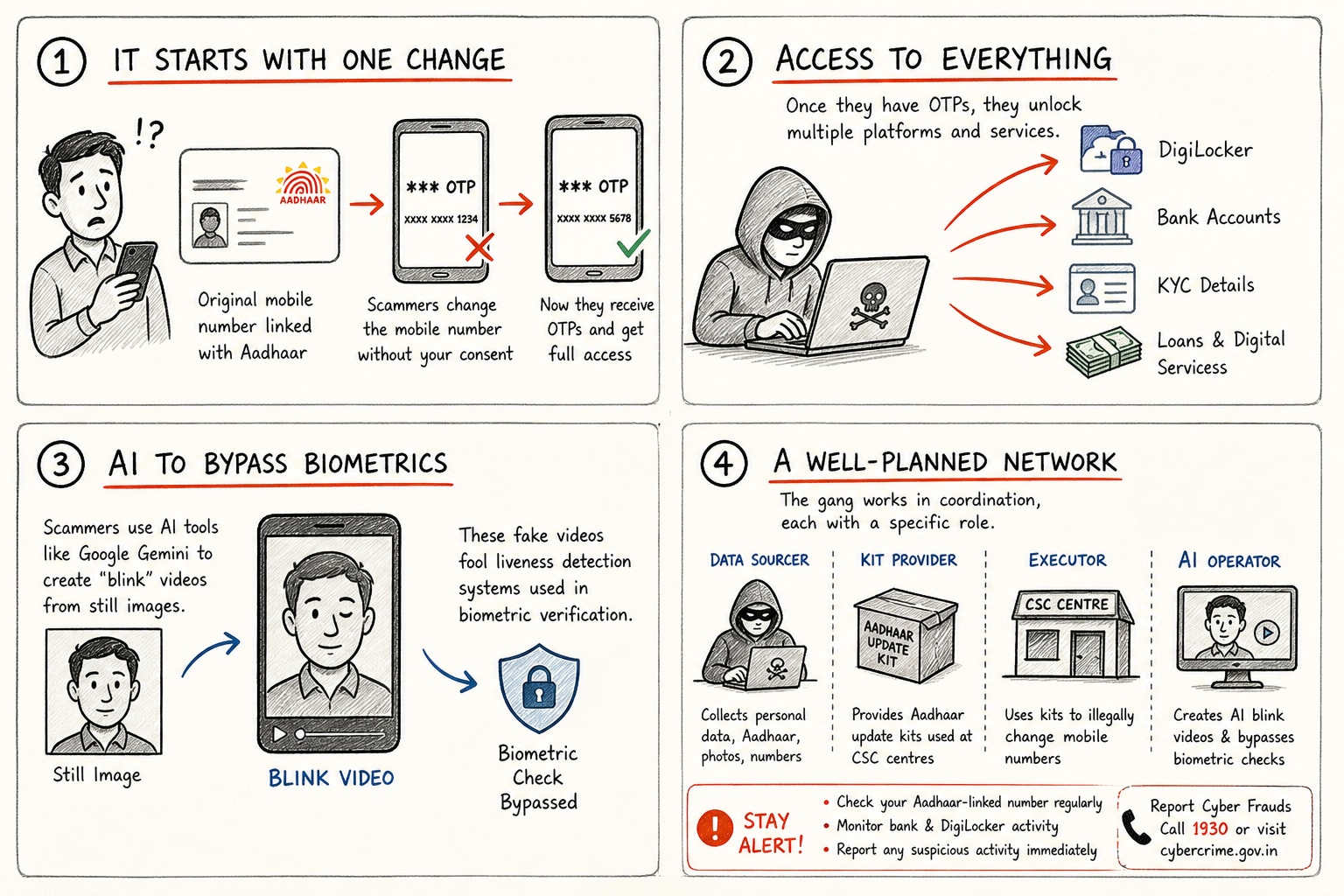
The case came to light when a businessman noticed something unusual as his Aadhaar-linked mobile number had been changed without his knowledge. And for the alert, that one change was enough. This is terrifying because once the number is replaced, scammers can easily receive OTPs which are meant for you. And that’s something happened with the businessman. Also Read: These Aadhaar Card mistakes can create problems with bank KYC, how to check and fix
This gave scammers access to platforms like DigiLocker and even banking services. Not just that, they even reportedly altered KYC details and tried opening accounts in multiple banks. In one instance, a small loan was also taken using the victim’s identity.
So the attack didn’t start with hacking a bank account. It started with changing one key detail, which is the linked mobile number.
We all know what AI is capable of, unfortunately, scammers knows too! According to police, the scammer used AI tools to create short “blink” videos from static photos of the victims. These clips were used to mimic real facial movement and bypass systems that rely on liveness detection for verification.
In simple terms, even biometric checks were tricked. This is not the typical phishing scam where someone asks for OTPs. Here, the attackers tried to replicate identity digitally.
And it wasn’t just a random scam, it was all planned and organised. Investigations suggest that the group worked in coordination, with different roles. Some sourced personal data like Aadhaar details and photos, others used Aadhaar update kits to change mobile numbers, whille another part handled AI-based manipulation,
These Aadhaar update kits were reportedly used through Common Service Centres (CSCs) to make unauthorised changes. Once access was gained, the attackers moved across platforms, from identity documents to banking systems.
So far, Digital Arrest scams have been around, which were concerning people. While the usual phishing, or calling on behalf of someone and extracting OTP from you, have been some common scams. But what makes this case stand out is how layered it is.
Now, this fraud is more about data manipulation, identity cloning, and AI-generated verification bypass. This reduces the need to directly interact with the victim. And that makes detection harder.
There’s no need to panic, but there is a need to be alert. A few simple checks can help:

If you notice anything unusual, report it immediately. You can call 1930 or use the official cybercrime portal.


