


Written By Madhav Malhotra
Written By Madhav Malhotra
Edited by Madhav Malhotra |Published: Apr 16, 2025, 03:24 PM (IST)
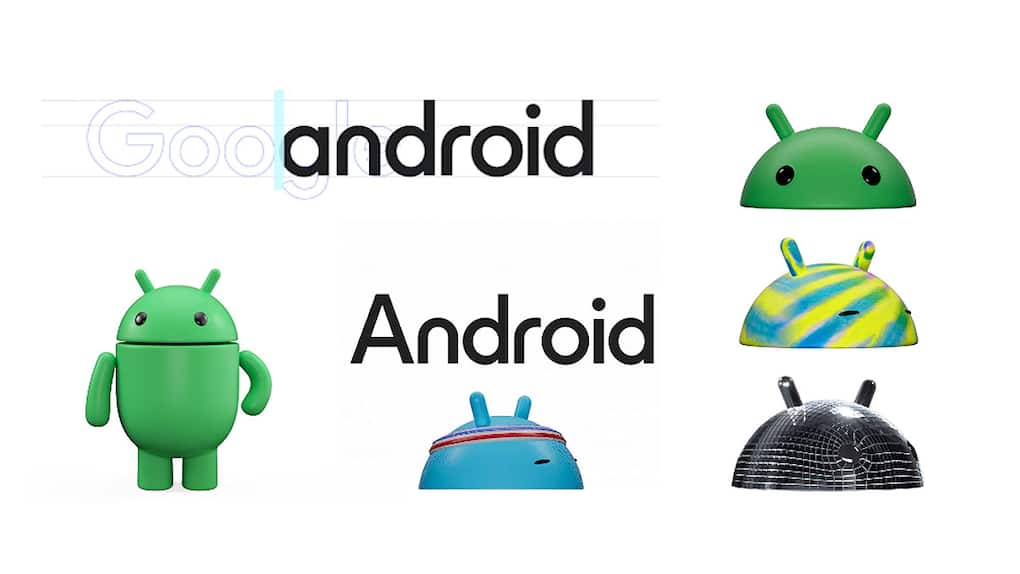
 Unlike the existing Android, where the first letter is lowercase, Google is now capitalizing the letter 'A' of Android adding more weight to its appearance.
Google is stepping up its security measures for Android devices with the rollout of a new update to Google Play Services. This is a core component of Android that provides essential functionality for both apps and the operating system itself.  Also Read: Google Maps may soon use Gmail, Photos and Calendar data to plan your trips
As part of this update, a new feature has been introduced under the “Security & Privacy” section. This feature will automatically restart a device if it has been locked for three consecutive days. Also Read: Buying an iPhone could soon get cheaper: Apple reportedly plans new upgrade program
This move is similar to a security update Apple introduced for iOS last year. The idea behind this automatic reboot system focuses on how data is stored and protected on a device, especially when it is locked. Also Read: X rolls out rebuilt Android app after nearly a year of development; here’s what’s changing
When a phone is powered off or restarted and has not been unlocked by the user, certain data such as photos, messages, and personal files remain in a highly secure state and are fully encrypted. This is referred to as the “Before First Unlock” state. In this mode, the data is extremely difficult to access without the user’s passcode.
However, once the device is unlocked, it enters what is known as the “After First Unlock” state. In this state, some data becomes decrypted and may be more vulnerable to extraction through brute-force attacks or by exploiting security flaws. This is the condition that forensic tools often rely on to access a device.
By introducing automatic reboots after long periods of inactivity, Google is aiming to reduce the amount of time a device stays in the more vulnerable “After First Unlock” state. This strengthens privacy protections and helps safeguard user data in an increasingly privacy-conscious digital environment.

In short, Google is making it more difficult for anyone to access your phone if it is lost, stolen, or simply left idle for too long. It may seem like a small change, but it adds another valuable layer of security in a world where digital privacy is more important than ever.


