
Written By Shubham Arora
Edited By: Shubham Arora | Published By: Shubham Arora | Published: Jan 02, 2026, 05:05 PM (IST)


Written By Shubham Arora
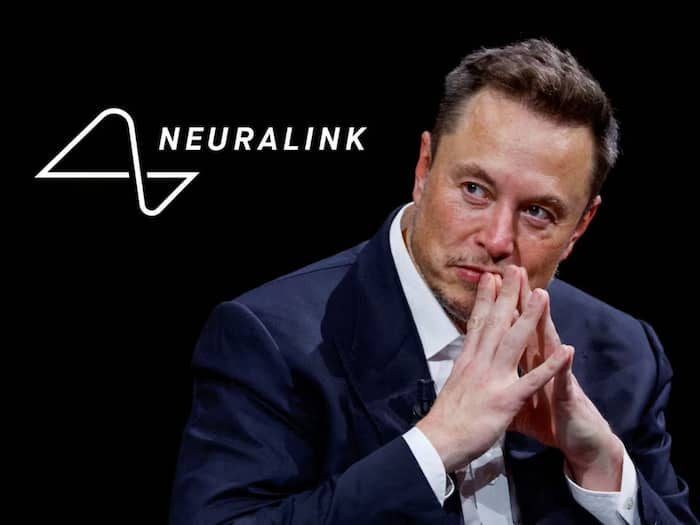
Elon Musk has said his brain-computer interface company Neuralink is preparing to move into high-volume production of its brain implants, with major changes planned over the next couple of years. The update came through a post shared by Elon Musk on X, where he outlined the company’s next phase of development.  Also Read: Inside India AI Impact Summit 2026: PM Modi to global CEOs - what happened on day 1
According to Musk, Neuralink plans to begin large-scale production of its brain-computer interface devices in 2026. This would mark a shift from the limited number of implants currently being tested as part of human trials. Musk has previously indicated that the company wants to reach a point where hundreds, and eventually thousands, of patients could receive the implant. Also Read: ChatGPT gets Lockdown Mode and risk warnings for safer use: What they do
Neuralink was founded in 2016 and is working on an implanted chip that lets users control computers and digital tools using brain signals. The device is roughly coin-sized and connects to the brain through extremely thin threads that are inserted into targeted areas.
Alongside higher production volumes, Musk said Neuralink also aims to streamline the implantation process. The company plans to move to an almost fully automated surgical procedure by 2026. At present, the implantation process involves removing a small portion of the skull before a robotic system places the device’s threads into the brain.
Musk has suggested that future procedures could avoid removing parts of the skull altogether, with the threads passing through the dura, the protective membrane around the brain. Musk said automating the procedure would make the surgery quicker and more consistent as the company increases the number of implants.
Neuralink started human trials in 2024 after clearing earlier safety concerns raised by US regulators, and testing has been gradually expanded since then. As of the latest update, 12 people with severe paralysis across different countries have received the implant.
Early users have shown they can move a cursor, browse the internet, play video games, and use digital tools using the implant alone. Neuralink’s initial focus remains on helping people with spinal cord injuries and other neurological conditions regain some level of independence.

The company raised $650 million in funding earlier this year, signalling strong investor interest as it prepares for the next stage of development. Beyond medical use, Musk has repeatedly spoken about broader possibilities for the technology, including long-term ideas around human-AI interaction.

Don't Miss Out the Latest Updates. Subscribe to Our Newsletter Today!