Written By Deepti Ratnam
Published By: Deepti Ratnam | Published: May 21, 2026, 01:54 PM (IST)
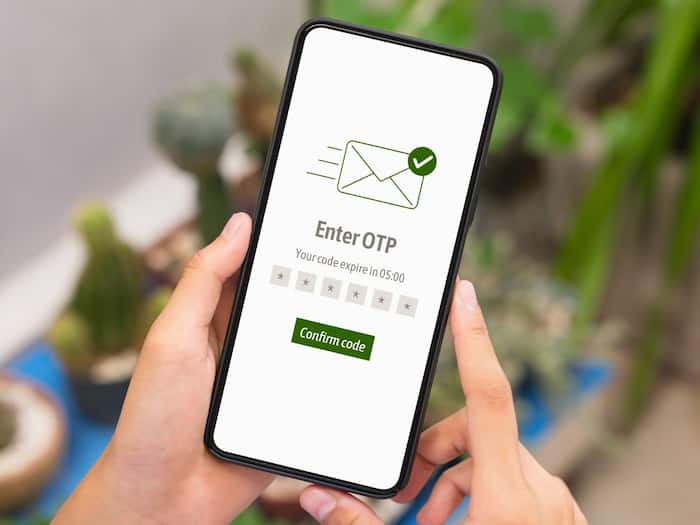
 Senior citizens will now need family approval for some bank transfers


Written By Deepti Ratnam
Senior citizens in India are getting a big relief in regards to online scam. Haryana government has announced to provide extra protection against online banking fraud to senior citizen by introducing a double OTP verification system. The initiative is launched by Haryana Police in coordination with banks. The double OTP verification system is launched with an aim to reduce cyber fraud cases that are targeting elderly citizens. These scams especially involve fake legal threats, forced money transfers, and digital arrests.  Also Read: Call Forwarding Scam Alert In India! Avoid Dialling Numbers Starting With 21, 61, 67, Know How To Stay Safe
The double OTP verification system adds an additional verification layer before money can leave a senior citizen’s bank account. This will make fraudulent transfers harder to complete. Also Read: This new phone call scam will blow your mind
Under this new setup, if a 60 years and above will initiate a bank transfer then they will require approval through two separate OTP’s rather than one.
The first OTP will be sent to the senior citizen’s registered mobile number. This number must be linked to the bank account. However, the second OTP will be sent to a trusted contact selected by the account holder, they are usually close family member.
The transactions will only be processed once both the OTP’s are entered successfully verified by the bank. If any of the OTP is missing or not confirmed, then the transfer will be automatically fails.
According to officials, the feature is completely optional, and hence, allowing senior citizens to decide whether they want to activate the additional security or not.
The double OTP system is currently being tested in selected branches of HDFC Bank across Gurugram and Panchkula. As per reports, around 50 branches are part of this initiative and pilot rollout phase.
Reportedly, the bank has been making backend technical changes to support these verifications process. This initiative was launched after Haryana Police and banking authorities discussed about cyber fraud cases involving senior citizens and how it is rising at breakneck speed across India.
The rise of digital frauds targeting elderly people in India has become a major concern. These scams rely heavily on fear and urgency. There have been many registered cases came to the limelight where scammers impersonated police officers, or investigative agencies, or government officials to put pressure on victims and forcing them to transfer their money immediately.
These scams are called ‘Digital Arrest’ frauds, which psychologically manipulates victims into believing they are involved in any legal trouble.
The initial proposal was made by Haryana DGP Ajay Singhal and since then, HDFC Bank has been working on it this year, according to reports.
The officials have said further talks could also be held with other banks in the future if the pilot is successful.
The feature has been rolled out in select branches of HDFC Bank in Gurugram and Panchkula, but the initiative is already attracting attention as it is hoped to be a model for enhancing banking safety of the elderly citizens of the country.

The new system is another sign of the growing sophistication of cyber fraud scams and how banks and law enforcement are seeking to add human layers of verification in addition to their current digital security protocols.

Don't Miss Out the Latest Updates. Subscribe to Our Newsletter Today!