
Written By Shubham Arora
Edited By: Shubham Arora | Published By: Shubham Arora | Published: May 08, 2026, 01:59 PM (IST)
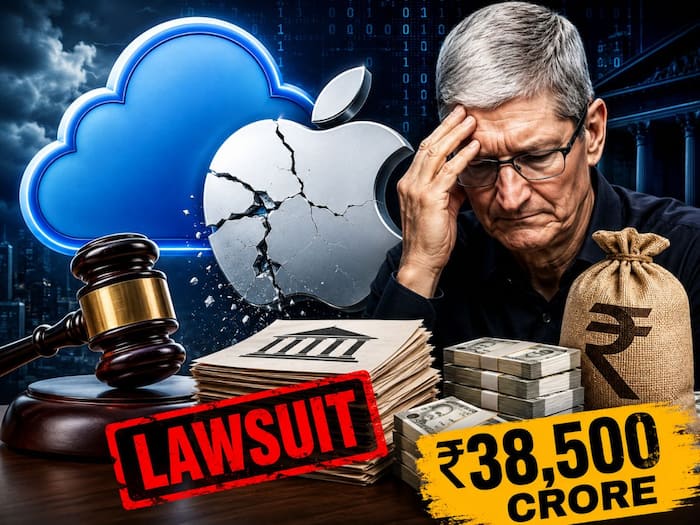
 Apple’s iCloud service is at the center of a Rs 38,500 crore lawsuit in the UK. (AI-generated image. Credits: OpenAI)


Written By Shubham Arora
Apple is facing a major legal challenge in the UK, where a class-action lawsuit worth around £3 billion (roughly Rs 38,500 crore) has been filed over its iCloud service. The case has been brought by consumer group Which?, saying Apple has been steering users towards iCloud and making it harder to move away from its ecosystem.  Also Read: 5 iPhone 18 Pro leaks to know before buying a new iPhone
The case was first filed in late 2024 and has now moved ahead after a UK tribunal refused to limit its scope. Apple had tried to limit the lawsuit to only paying users, but the tribunal rejected that request in a 2-1 decision. Also Read: iOS 27: 10 expected features that could be coming to your iPhone soon
The case focuses on Apple’s iCloud service, which comes with 5GB of free storage on iPhones and iPads. Once users cross that limit, they are encouraged to move to paid plans. Also Read: Apple MacBook Ultra may debut with OLED display and new design, says leak
According to Which?, Apple has designed iOS in a way that makes iCloud the easiest option to use. While third-party services like Google Drive are available, they do not integrate as deeply into the system, which may push users to rely on Apple’s own service.
The group claims this creates a situation where users are effectively locked into iCloud, even if they might prefer other options.
The lawsuit also questions how iCloud is priced. Which? says that in a more competitive market, the pricing could have been lower. For example, the 200GB plan that currently costs £2.99 per month might have been closer to £1.99. This difference is part of a broader claim that users may have paid more than they should have.
There is also a legal argument called “forgone consumer surplus” being used here. It suggests that even users who did not subscribe may have suffered a loss because they were priced out of what could have been a cheaper service. The tribunal has described this as a relatively new type of claim, which makes the case slightly different from typical consumer lawsuits.
One of the key points in this case is who is covered. The tribunal ruled that both paying and non-paying iCloud users can be part of the lawsuit.
Around 40 million UK users who have used iCloud services from November 8, 2018, onwards are part of the case, unless they choose to opt out.
If the claim succeeds, the estimated compensation could be around £70 (around Rs 9,000) per user on average.
Apple has denied the claims and said its iCloud services are not anti-competitive. The company has said it will defend its position in court.
The case will now go to trial, where it will be decided whether Apple used its market position in a way that gave iCloud an unfair edge over other cloud services.

This is not the only legal issue Apple is dealing with right now. In the US, the company has reportedly agreed to a $250 million (roughly Rs 2,400 crore) settlement in a separate case linked to claims that it misled users about AI features in the iPhone 16 and iPhone 15 Pro lineup. Eligible users in that case may receive compensation, depending on how the process moves ahead.

Don't Miss Out the Latest Updates. Subscribe to Our Newsletter Today!