Written By Divya
Edited By: Divya | Published By: Divya | Published: Jan 19, 2026, 06:49 PM (IST)
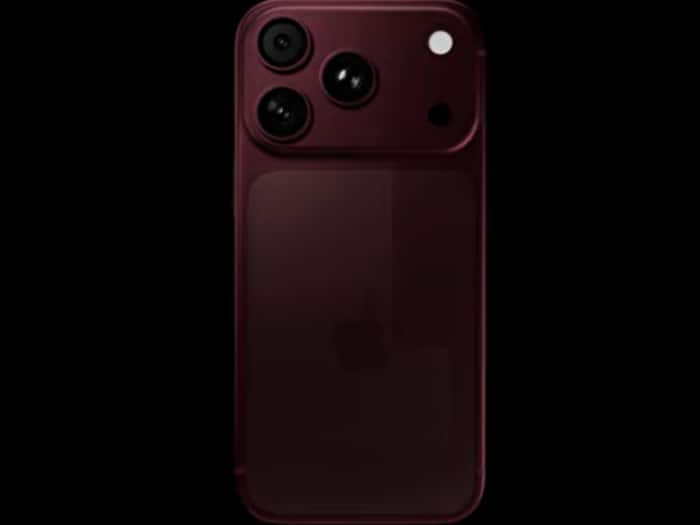
 Image Credit: Front Page Tech/YouTube


Written By Divya
While we may have to wait a little longer than expected for the standard iPhone 18, the usual iPhone 18 Pro and the Pro Max are tipped to launch this year with the usual launch timeline. Several previous leaks have shed light on the expected changes that the iPhone 18 Pro models can bring to the table, and now a new video has supported most of the claims about it.  Also Read: iPhone 18 Pro, iPhone 18 Pro Max upgrades tipped: Smaller Dynamic Island, 2nm chip, bigger battery
Front Page Tech and Jon Prosser leaked a video showing the iPhone 18 Pro renders, revealing all the expected design changes. Here is what has been leaked. Also Read: i-relief! iPhone 18 Pro price may remain same as iPhone 17 Pro, here's why
As per the video, the iPhone 18 Pro models will keep more or less a similar design to the iPhone 17 Pro; however, they are expected come in new colour options, such as burgundy, brown, and purple. Also Read: Apple may boost iPhone 18 Pro Max battery as Android phones hit 10,000mAh
What is expected to be easily noticeable is the front display redesign. As shown in the video and as the previous leaks claimed, the iPhone 18 Pro models may get under-display Face ID, which will shift the i-shaped cutout and only keep a single selfie camera at the left top corner of the iPhone. On the other hand, the Dynamic Island may get smaller but it is tipped to remain a part of the user experience.
As expected, the iPhone 18 Pro models are said to be powered by the latest A20 Pro chipset built on 2nm process, and it may also get the C2 model for fast cellular connection.
Talking about the cameras, the iPhone 18 Pro Max may get a variable aperture, which will help the lens to get adjusted light based on the light conditions. However, this could be limited to the Pro Max model, the video narrates.

Apart from this, the video also mentioned the camera control button, which is said to be simpler than before, while removing the capacitive feature. However, it may still keep the pressure-sensing capability.

Don't Miss Out the Latest Updates. Subscribe to Our Newsletter Today!