
Written By Shubham Arora
Published By: Shubham Arora | Published: Mar 29, 2026, 10:42 PM (IST)
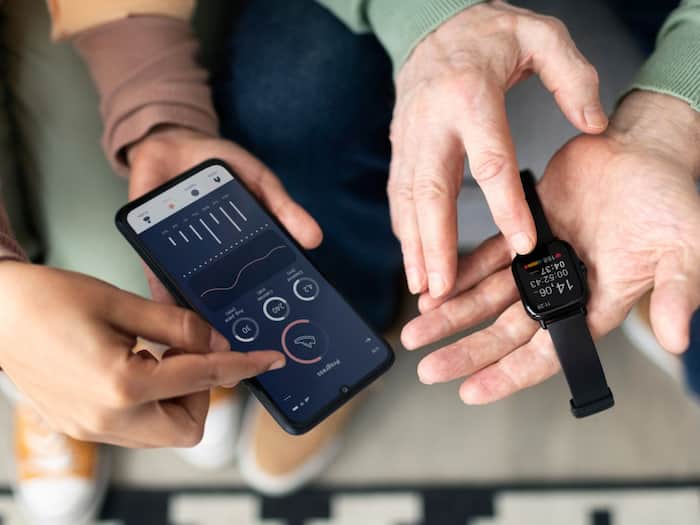
 Health apps on smartphones are widely used to track fitness, sleep, and daily habits.


Written By Shubham Arora
#HumFitTohIndiaHit: Smartphones have become an important part of our lives and we take them everywhere we go. Regardless of whether it’s in our hands for working, on an urgent business call or scrolling through funny videos late at night, there’s rarely a time when we don’t have our attention focused on our phone screen. And over the past couple years, we have used these same devices to monitor our well-being too. They count our steps, track how well we slept, and help us keep track of what we eat — we now have an app for just about everything concerning our health, whether it’s apps like MyFitnessPal, Google Fit or Apple Health!  Also Read: Amazfit Helio Strap Launched With BioCharge Tracking Tech and 10-Day Battery
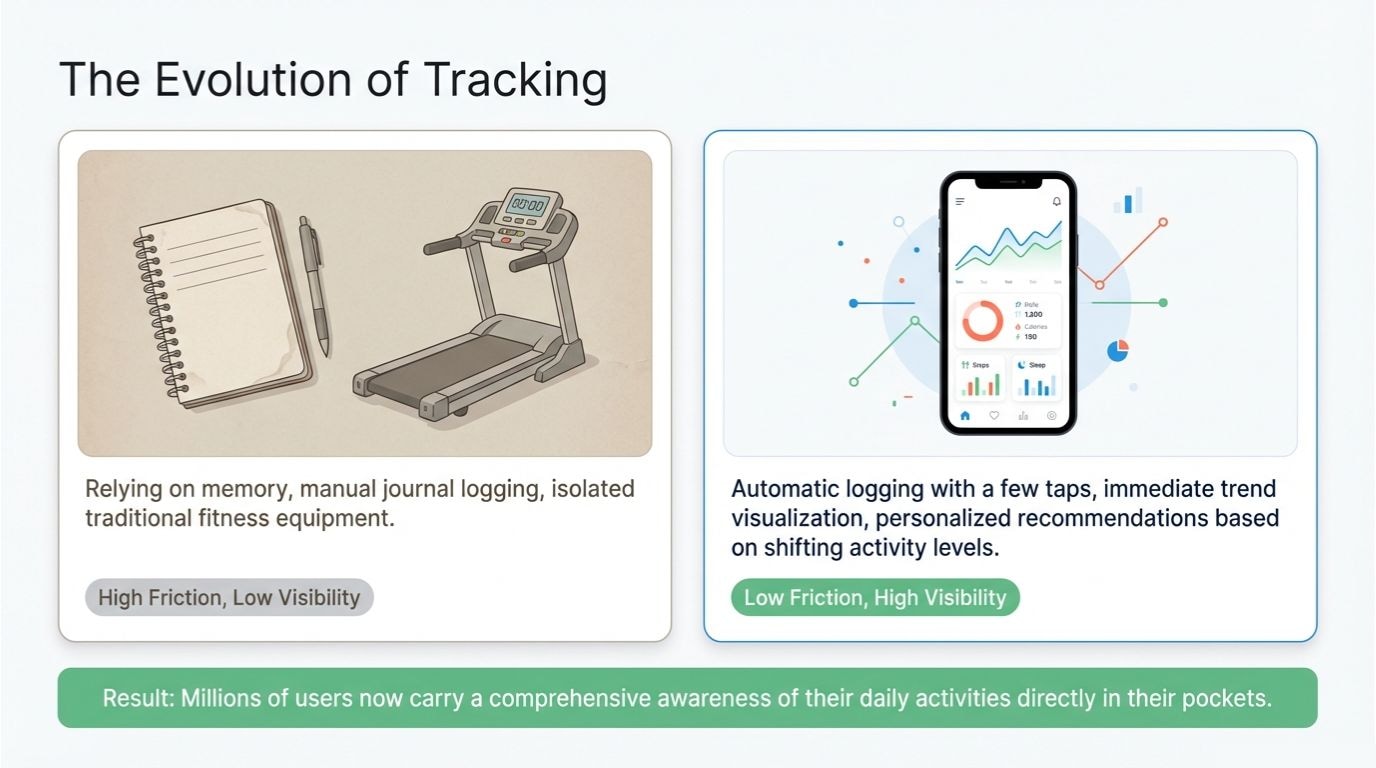
The transition from traditional fitness equipment (like treadmills at home) to mobile fitness apps has changed the way we look at fitness and how we view ourselves overall. Due to the increased prevalence of wearable devices and smartphones, our awareness of daily activities has increased tremendously over time. It is believed that there are currently billions of smartphones in the world, and millions of users have downloaded at least one fitness-related app. Also Read: Take Your Fitness to the Next Level: Best Workout Apps for Serious Results
 Also Read: Top Fitness Tracking Apps in India: Track, Train, Transform
However, the question that comes to mind is whether these apps are helping create positive lifestyles for the billions of people using them or if they are merely temporary things that will be forgotten in a short time?
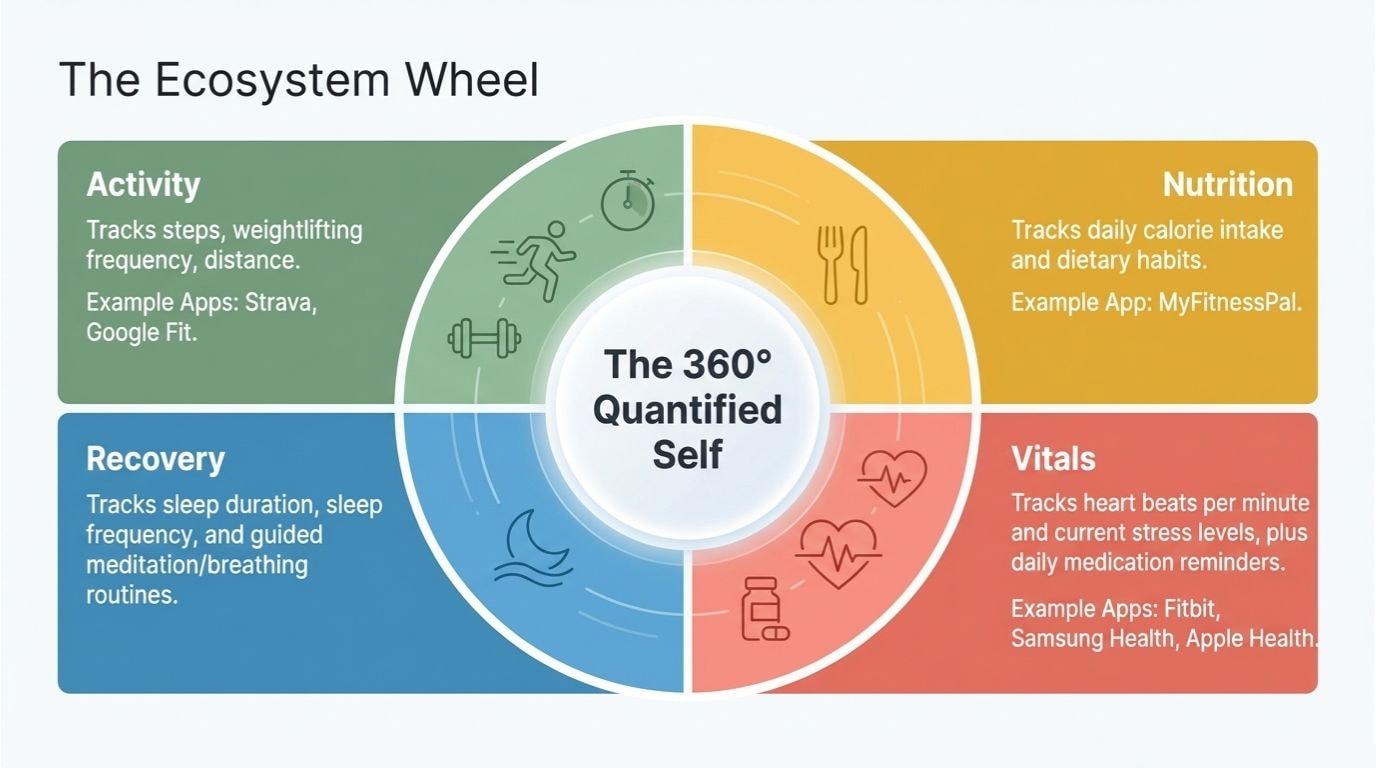
Today, there are health-related apps for everything. We can use an app to track how many steps we take, how often we lift weights, track our calorie intake, how often we sleep and for how long, our heart beats per minute, and our current stress level. Apps like Fitbit, Samsung Health, and Strava are commonly used for tracking workouts and activity, while others focus more on nutrition and lifestyle. Additionally, many of these apps have additional features, such as providing daily reminders for medication and offering guided routines for meditation and breathing exercises.
Convenience is the most significant change to tracking health. Earlier, it was necessary to either keep a journal or rely on your memory to monitor your health. Now it’s possible to do this automatically or using only a few taps on your phone. Because of this, individuals can see trends in their lives, whether it be how much they are walking, how many hours they are sleeping or what types of food they are eating.
At the same time, many health apps now have the ability to give users personalised recommendations based on their activity level. For instance, if you are less active than normal or there is a change in your sleeping habits, your app might recommend some adjustments. Previously, it would have been difficult for you to assess these behaviours.
One of the most valuable parts of tracking your health with an app is increasing your awareness. Most people don’t realise how little they move during the day until they look at the numbers. A basic pedometer promotes a user to be more active over time, which aligns with the motto #HumFitTohIndiaHit that focuses on building healthier daily habits.
Motivating users is yet another positive factor when tracking your health via an app. Many applications offer features which promote daily goals, streaks, or reminders to help hold users accountable to achieve their desired outcome. Further, there are many apps with social components which allow users the ability to share their progress and compete with other users. These additional motivators can help those who need just a little extra encouragement to follow through with their plan.
Additionally, there are many advantages to being able to monitor your health regularly using health apps. For example, frequently monitoring things like sleep patterns or heart rates can help users to detect very minor changes within their body. However, while this can be effective for prompting individuals to consult healthcare professionals, it should still not be used as a substitute for health care professionals.
Despite the many benefits of health apps, they are not without limitations. One of the most significant is accuracy. Not all health apps are designed with the same degree of effectiveness; therefore, the data generated from different apps will not always provide accurate representations of a user’s health. The increasing reliance on these numerical values without truly understanding how they are collected should be of concern to any user.
Also, there are issues related to privacy. Health apps will collect sensitive information, such as a user’s daily habits and level of physical activity, as well as some users’ medical information. Many users do not pay particular attention to how this information is used or where it is stored.
Another limitation is the inconsistency among users. Many people are initially excited to use health apps, but tend to stop using these apps after a short period. This can occur because logging meals, tracking workouts, and reviewing statistics on a regular basis can become monotonous for many users over time.
In many cases, constant tracking of health information will also contribute to stress. Tracking small fluctuations in the amount of sleep, or the amount of activity performed can lead to users worrying unnecessarily, often without any real context, when they notice a change in their health.
First and foremost, it’s crucial to clarify that health applications are simply auxiliary tools to access the information you need to find, and they cannot provide medical recommendations, diagnosis of specific ailments, or any type of treatment.
Nearly all healthcare providers continue to encourage patients to take advantage of these apps, but they are to be used along with their regular appointments, not instead of them. Sharing data from the apps with your healthcare provider can certainly be helpful, but to rely solely on such applications is not going to produce adequate results.
They can be advantageous, but they will ultimately only be beneficial to the extent that they are used as complementary to lifestyle changes rather than being the only form of achieving a healthier physical condition. While tracking things such as distance walked or calories consumed can be of some benefit, it still comes down to actual changes in way of living.
For many people, health apps can serve as a catalyst for change; whereas for others they may become part of their everyday routine; and some will download the app and eventually forget it.

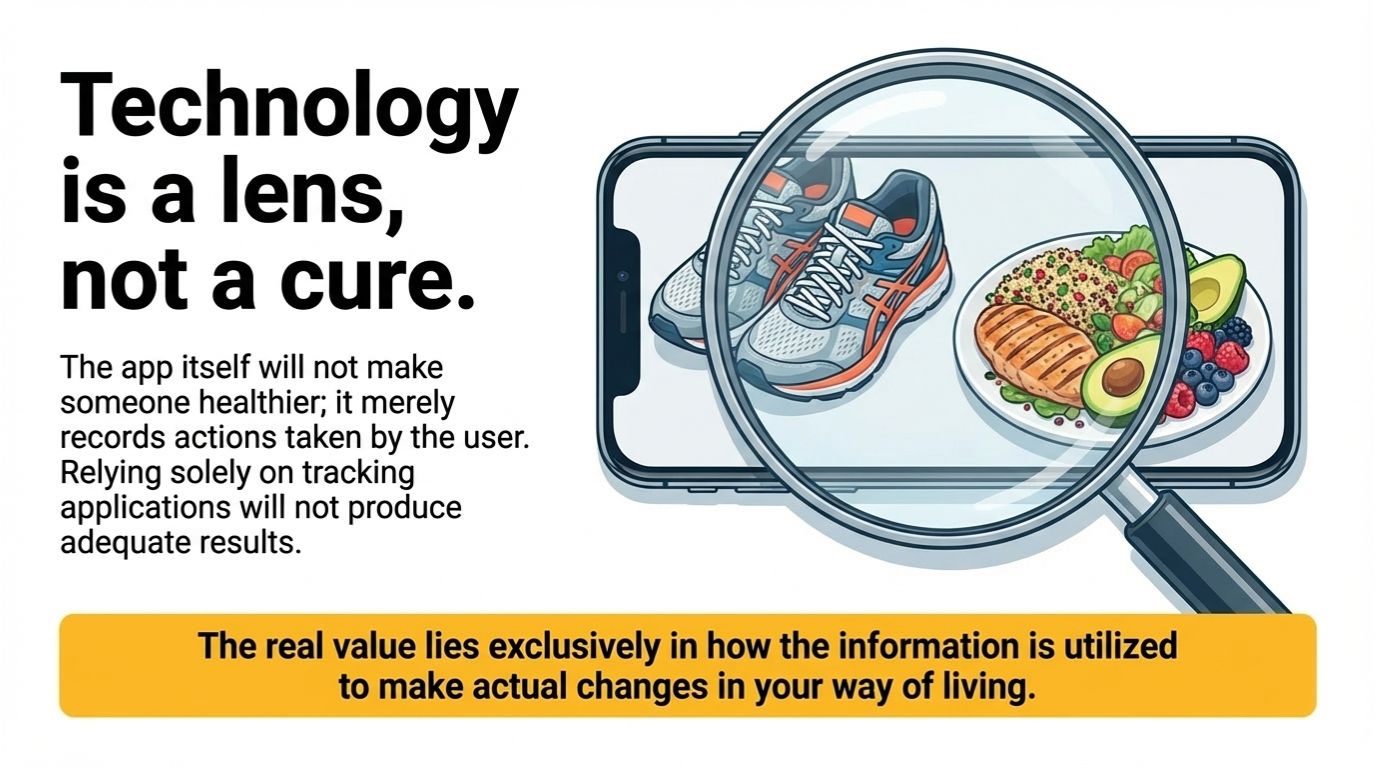
The app itself will not make someone healthier; it merely records actions taken by the user. The real value lies in how the information will be utilised.

Don't Miss Out the Latest Updates. Subscribe to Our Newsletter Today!