



Written By Shubham Arora
Written By Shubham Arora
Edited by Shubham Arora |Published: May 01, 2026, 03:12 PM (IST)
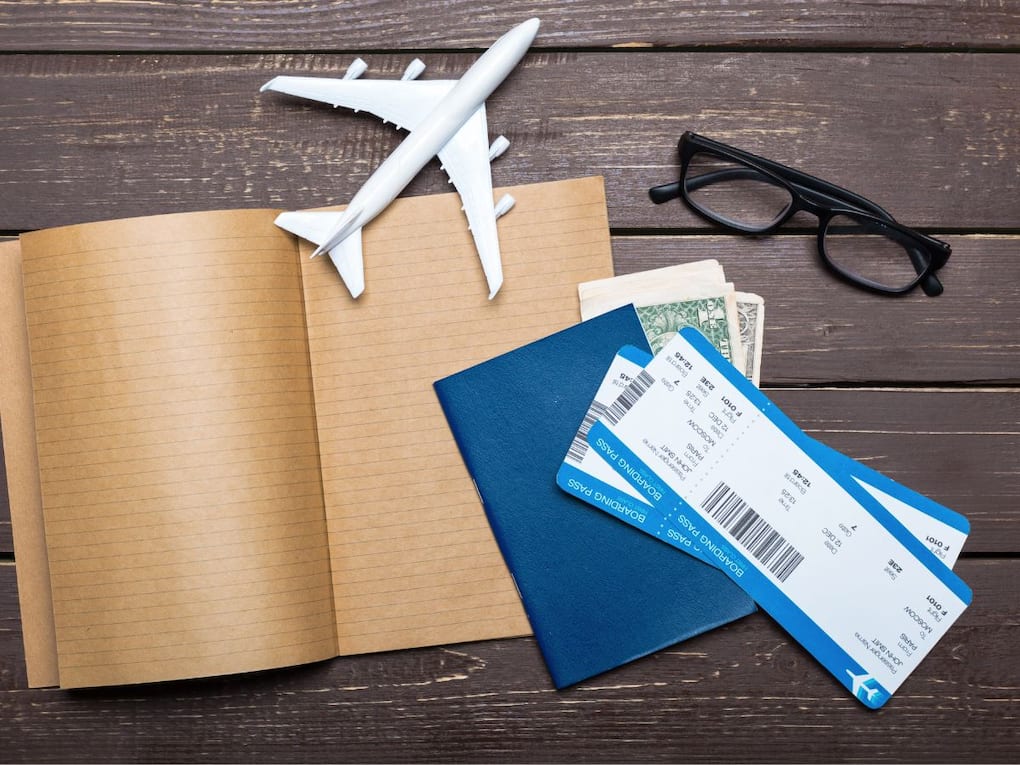
 Sharing a boarding pass online can expose hidden personal and travel details.
Posting a boarding pass on social media feels like a small thing. You’re excited about a trip, maybe heading out for a holiday or work, and sharing that moment seems normal. But that one photo can expose more than most people realise.  Also Read: ChatGPT can now help you book the cheapest flights: Check how
A boarding pass is not just a piece of paper or a QR code. It carries key travel and personal details that can be accessed easily if someone knows what to look for. Many believe that even a single image is enough for someone to pull out sensitive information. Also Read: How to save places on Google Maps for future trips
At first, a boarding pass looks pretty basic. You see your name, seat number, and flight details, and that’s about it. But the barcode or QR code printed on it carries much more.
The barcode follows the IATA Bar Coded Boarding Pass system. It can carry your full name, PNR (booking reference), flight info, and sometimes even frequent flyer details.
The bigger issue is that this information isn’t difficult to pull out. There are simple apps that can scan and decode these barcodes within seconds. So even if the visible details look harmless, the hidden data is where the real risk lies.
Once someone has your PNR and last name, they can try accessing your booking through the airline’s “manage booking” section. In many cases, that is enough to view or modify parts of your travel details.
This means your seat could be changed, your meal preferences altered, or in some cases, parts of your journey could even be cancelled. There have been instances where travellers faced issues simply because their boarding pass was shared online.
It doesn’t just stop at your flight details. In some cases, your booking is linked to personal information like your email, phone number, or even parts of your payment details.
Frequent flyer accounts are also vulnerable. If someone gets access, they can use or drain your points without you realising it. There have already been cases where this has happened.
There have also been situations where shared boarding passes ended up exposing passport details or travel history. That opens the door to identity misuse or targeted scams.
Another thing people often ignore is timing. A boarding pass clearly shows when you are travelling and sometimes even when you will return.
Posting it publicly can signal that your home will be empty during that period. If your profile is public or your location is visible, that adds another layer of risk.
If you still want to share that travel moment, there are safer ways to do it. You can post pictures from the airport, your bags, or even once you reach your destination.
If you do end up posting your boarding pass, make sure the barcode and PNR are fully covered. Blurring doesn’t always work, so it’s better to block it properly.
Another simple thing is timing. Posting after you’ve already reached or completed your trip is a safer option.
Even physical boarding passes shouldn’t be thrown casually. It’s better to tear them or shred them before disposing of them.

A boarding pass may seem like a small thing, but it carries more information than most people expect. Sharing it online turns that information into something anyone can access if they try.


