
Written By Shubham Arora
Published By: Shubham Arora | Published: May 19, 2026, 02:19 PM (IST)
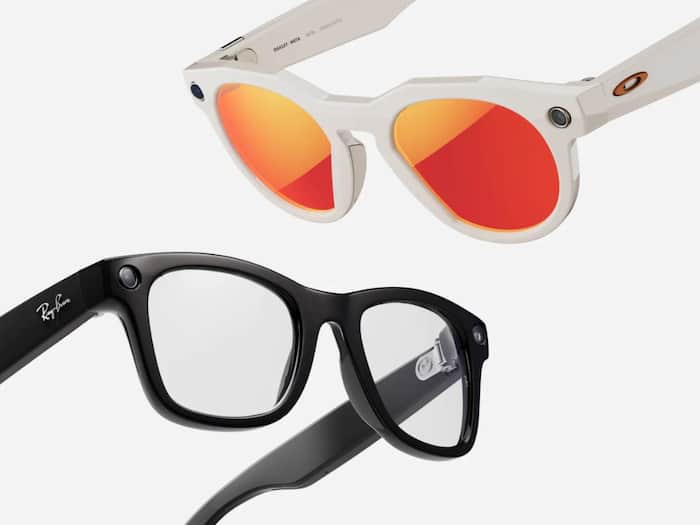
 Meta’s AI-powered smart glasses gain new accessibility features for blind and low-vision users.


Written By Shubham Arora
Meta is adding new accessibility features to its AI-powered smart glasses, and the update could make a real difference for people who are blind, have low vision, or face mobility challenges. The company says the goal is to make everyday tasks easier without needing to constantly use a phone or other assistive devices.  Also Read: FIFA World Cup 2026 fever reaches WhatsApp, Instagram, Facebook with new features
The features are coming to Meta’s Ray-Ban and Oakley smart glasses, which already support voice commands and AI-powered assistance. This time, the focus is more on accessibility and hands-free use. Also Read: Meta confirms over 20,000 Instagram accounts hacked through AI recovery tool flaw: ALL details
One of the biggest additions is Meta’s expanded partnership with Danish mobile app Be My Eyes. Users can now start a hands-free video call with a trusted friend or family member just by saying, “Hey Meta, Be My Eyes.” Also Read: Meta reportedly testing Hatch AI agent to compete with OpenAI and Anthropic: Report
This allows blind and low-vision users to get real-time help while moving around. For example, someone can ask another person to describe surroundings, read signs, or help locate something nearby without taking out their phone.
Meta says the glasses are already being used in daily life by people with disabilities. One example shared by the company is Donald Overton, a US Army veteran who lost his vision in Iraq. According to Meta, he now uses the glasses to read restaurant menus, navigate airports, and move around without carrying multiple assistive tools.
Another user, Noah Currier, who is quadriplegic, said the glasses allow him to take photos and videos entirely through voice commands.
Meta is also introducing more voice-based controls for calls on WhatsApp, Messenger, Instagram, and Be My Eyes. Users will be able to mute calls, switch video on or off, or hang up completely through voice commands.
There is also a new shortcut feature where users can assign a favourite action to the button on the glasses. This could be something like asking Meta AI to describe the surroundings instantly.
The company has also added live captions during calls on supported apps. This can display what the other person is saying directly on the in-lens display, which may help users in noisy environments.
Meta is also opening access to developers through its Wearables Device Access Toolkit. This allows third-party apps to work with the smart glasses.
Apps like OOrion can help users find objects around them, avoid obstacles in their path, and understand what’s nearby through live audio instructions. Another app, Aira, connects blind users with trained visual interpreters for live assistance.
Apart from the glasses, Meta is also working with Carnegie Mellon University on a neural wristband that can detect muscle signals.
The idea is to allow people with spinal cord injuries to control devices using subtle hand gestures. Meta says the technology can translate those signals into actions like clicking, scrolling, or navigating through digital interfaces.

The company shared that these accessibility-focused updates are part of its broader effort to make wearable AI more useful in everyday situations.

Don't Miss Out the Latest Updates. Subscribe to Our Newsletter Today!