Written By Divya
Published By: Divya | Published: May 03, 2026, 01:47 PM (IST)


Written By Divya
If you’ve been tracking smartphone prices recently, you might have noticed that the same phone is no longer selling at the earlier launch price. And this isn’t limited to one brand. Nothing and OnePlus have recently joined the other smartphone makers, who have increased the prices across the mid-range and flagship phones in India. Well, it’s slowly happening across the brands, and honestly, it’s starting to affect buying decisions.  Also Read: Upcoming smartphone launches in June 2026: Motorola, Xiaomi, Samsung and more
So, which phones got a price hike now? Also Read: Google Chrome bug crashes browser on Android tablets: What’s happening and how to fix it
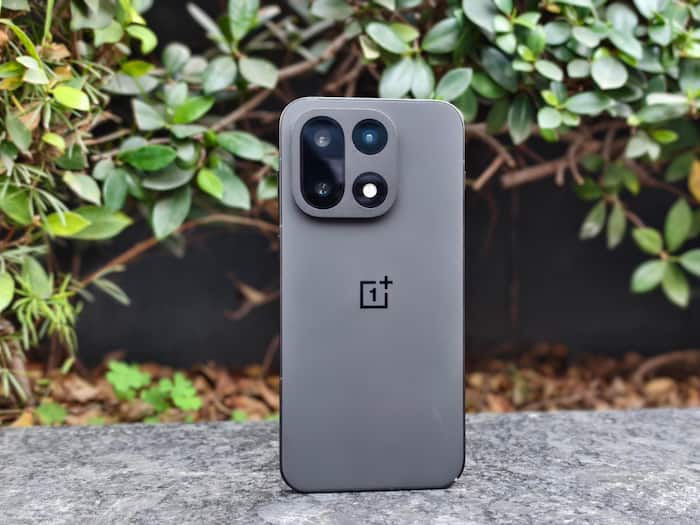
Let’s start with OnePlus, because the change here is clearly visible. The OnePlus 15, which launched at Rs 72,999, is now priced at Rs 77,999 for the base variant. The higher 16GB model has also gone up, now touching Rs 85,999. That’s roughly a Rs 6,000 increase within a few months. Also Read: OnePlus 16 leak reveals AI button, huge battery and 185Hz display: ALL details here
The OnePlus 15R has seen an even more gradual shift. It has now been revised multiple times since launch. The base variant, which originally started at Rs 47,999, is now priced around Rs 52,999.
So if you were waiting for prices to drop… that’s not really happening here.
Along with OnePlus, Nothing has also increased the price of the latest Phone 4a Pro and the Phone 4a. The Nothing Phone 4a Pro was launched at Rs 39,999 for the base variant, while it is listed at Rs 44,999. Similarly, the Nothing Phone 4a was available at Rs 31,999 for the 8GB RAM and 128GB storage option, while it is available at Rs 34,999.
Well, it’s not just OnePlus or Nothing. Other brands are reportedly following the same pattern. In the past few months, Motorola, Realme, Redmi, and even Samsung (for the budget and mid-range) have shown such price revisions.
Why is it happening? The biggest reason behind this trend is rising component costs, especially RAM and storage. With AI growing rapidly, tech companies are using more memory and high-performance chips for data centres. This has created a supply shift, where components like DRAM and NAND are becoming more expensive.
At the same time, chipset costs are rising, supply chain pressure still exists, and currency fluctuations are adding to pricing. All of this is now reflected in smartphone prices.
This trend changes how you should think about buying a phone. Earlier, waiting usually meant discounts, price drops, and better deals. Now, waiting might mean higher prices, fewer offers, the same hardware, and ultimately more cost.
The tricky situation is that some brands are still offering bank discounts to balance things out. But those are temporary. The base price increase stays.

So, should you wait or buy now? There’s no clear answer, but the pattern is becoming visible. If a phone is already in your shortlist and the price feels right, waiting may not always help anymore. Even the upcoming e-commerce sales may not bring a massive drop to the price. Still, a couple of bank offers could make a good deal.

Don't Miss Out the Latest Updates. Subscribe to Our Newsletter Today!