Written By Divya
Edited By: Divya | Published By: Divya | Published: Mar 17, 2026, 11:10 PM (IST)
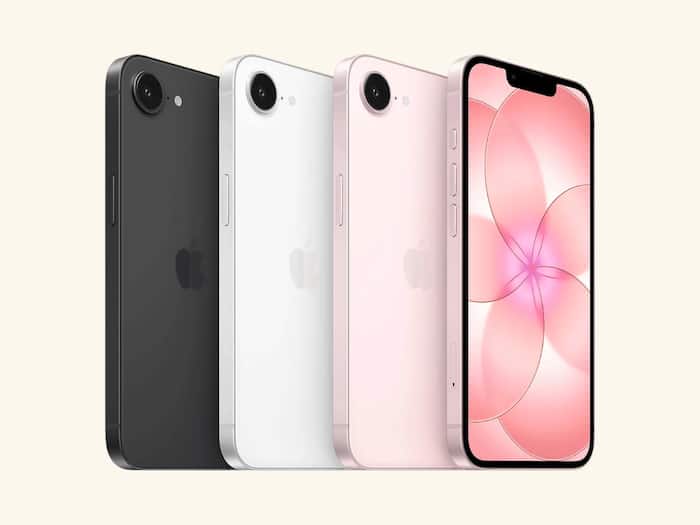
 Apple May Finally Bring 120Hz Display to Affordable iPhones With iPhone 19e


Written By Divya
Apple’s “e” series iPhones have always been about keeping things simple and affordable. But one thing that has consistently felt missing is a high refresh rate display. While many Android phones in the same price range already offer 120Hz panels, Apple has stuck to 60Hz so far.  Also Read: Apple’s 50 year legacy: From the Macintosh to Vision Pro and the future beyond screens
That might finally change, but not immediately. According to a recent report, Apple could bring its 120Hz ProMotion display to the affordable lineup with the iPhone 19e, expected around early 2028. If this happens, it would be the first time a non-Pro, budget-focused iPhone gets a high refresh rate screen. Also Read: Apple unveils AI model that creates 3D models from a single image
The upgrade is said to come via an LTPO OLED panel, which allows the display to dynamically adjust refresh rates between 1Hz and 120Hz. This is the same core technology used in Apple’s premium iPhones, where smoother scrolling and better responsiveness are noticeable right away. Also Read: iPhone 18 Pro vs iPhone 18 Pro Max Leaks: AI, camera, and design secrets revealed
If you look at the current lineup, even the recently launched iPhone 17e still uses a 60Hz display. That’s not because Apple can’t do better, but it’s more about positioning. Apple usually reserves premium features for its higher-end models first, and then gradually brings them down to more affordable devices. In this case, the delay is also linked to Apple’s work on next-gen display tech, often referred to as LTPO+, which is expected to be more power-efficient.
Until that becomes ready for mass production, Apple seems to be holding back on pushing LTPO panels into the budget segment.
What changes with it? If the iPhone 19e does get LTPO, the upgrade won’t just be about smoother scrolling. It could also enable better battery efficiency, since the refresh rate adjusts based on usage, always-on display support, which is currently limited to premium iPhones, and a more responsive overall experience, especially while gaming or navigating apps.
For now, the next couple of “e” models, including the expected iPhone 18e, are likely to stick with 60Hz panels. That means users may have to wait a bit longer before this shift happens. But one thing is clear that Apple is slowly preparing to bring its Pro-level features to more accessible iPhones.

However, the iPhone 19e is still a couple of years away, hence we should take the information with a pinch of salt.

Don't Miss Out the Latest Updates. Subscribe to Our Newsletter Today!