
Written By Deepti Ratnam
Edited By: Deepti Ratnam | Published By: Deepti Ratnam | Published: Feb 01, 2026, 02:05 PM (IST)


Written By Deepti Ratnam
Finance Minister Nirmala Sitharaman in the Union Budget 2026-27, put emphasis on domestic manufacturing and the reduction of the cost of first-rank consumer products. Additionally, the Healthcare and clean energy will also become more affordable through the government. The change in customs duties is one of the important factors in the Union Budget 2026-27. Some items will get cheaper, while others will see a rise in price to promote local production.
The budget expands the capital goods exemption on the basic customs duty on the manufacture of lithium-ion battery. This now includes battery energy storage systems. The relocation will lower the EV battery prices and promote the green energy objectives of India. It is supposed to promote local battery manufacturing and more investments into clean energy manufacturing.
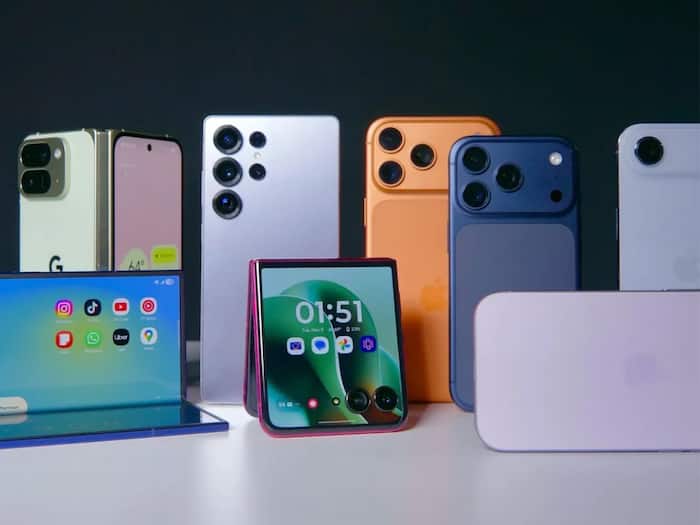
The prices of mobile phones are expected to be reduced with government alleviating taxes on the parts and capital goods that are utilized in the manufacturing of the smartphones. This measure is directed towards the enhancement of local production through the Made in India program. It will also contribute to saving consumers since smartphones would be more accessible and affordable.
In order to save the local manufacturers, exemptions on certain products have been eliminated. Goods that have low imports or adequate production within the country will now also be imposed the custom duty. Some industrial products and equipment will also face increased costs because of changes in the custom tariff rate. This will push businesses to domestic purchases and benefit the manufacturing system of India.
The modifications in the customs duties indicate that the government is paying more attention on Make in India initiative. India wants to increase its industrial base by encouraging domestic manufacturing and lowering the dependency on imports. Batteries and mobile phones of EV will become cheaper and would benefit consumers and manufacturers. Meanwhile, the reallocation of tasks on certain products will be able to keep domestic producers competitive.


Don't Miss Out the Latest Updates. Subscribe to Our Newsletter Today!