



Written By Deepti Ratnam
Written By Deepti Ratnam
Edited by Deepti Ratnam |Published: May 07, 2026, 09:48 AM (IST)
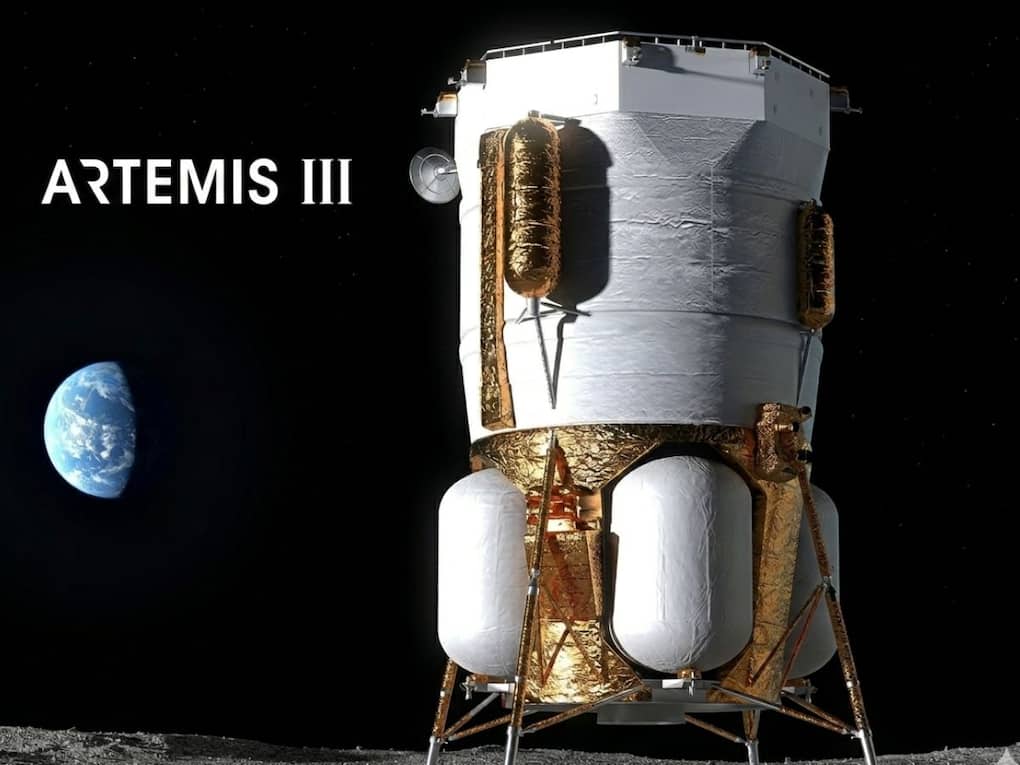
 Artemis III delayed to late 2027: The real reason NASA changed its Moon mission
After the successful completion of Artemis II mission, NASA is now focusing on its another major Artemis III mission. Artemis II marked a major step forward in humanity’s return to deep space exploration and it has paved the way to further more research and mission in space. While Artemis II created an excitement among space enthusiasts worldwide, the next mission in the program is now facing a major change and delay. There are several challenges that Artemis III mission is facing and due to this what was planned to be the first crewed Moon landing since the Apollo era, has now been delayed. The mission in under redesign as a critical orbital testing is going on before humans can safely return to the lunar surface.  Also Read: NASA’s Artemis III will not land on Moon yet: Here’s what it will do instead
NASA, in its latest update has confirmed that its Artemis III mission is not getting delayed and will be scheduled to launch in late 2027. This delay has increased pressure on the agency and its private partners, including Blue Origin and SpaceX. Also Read: NASA launches “Your Name in Landsat” tool: How to create your name using satellite imagery
The Artemis program as created by NASA to make the astronauts return to the Moon for the first time since the Apollo Moon landings. In this regard, Artemis III was expected to achieve that historic milestone. Nevertheless, there are some technical challenges and unfinished system navigation. These reasons have forced NASA to change their plans regarding Artemis III mission. Also Read: NASA Artemis II sets new Space record, and iPhone 17 Pro Max was part of it
One of the major challenges and reason that contributes to the delay in Artemis III that NASA is testing several essential technologies that are required for Moon landing. The mission majorly depends on advanced systems such as orbital refueling, spacecraft docking, and lunar landers. Another important factor is astronaut suits, which are still under production. All these together require perfection because any small error could lead to a major mis-happening.
Another reason is NASA also wants to ensure the spacecraft safety as it is built by different companies. It should be safely connect and work together in orbit. Due to these concerns, the space agency has decided to first prioritize the aircraft and astronauts safety. They want to first test these systems closer to Earth before attempting a lunar landing.
The revised mission plan will send astronauts to Earth orbit rather than landing on the Moon aboard the Orion spacecraft.
The mission will concentrate on testing docking systems with the Starship Human Landing System (HLS) and the Blue Moon landers. Before astronauts venture much farther into space, NASA is making sure that communication systems, life-support equipment and docking hardware will perform well.
The mission will also evaluate the new spacesuits that are being developed for future Moon surface operations, known as Axiom AxEMU. These suits will be tested in Low Earth Orbit first and then utilized for lunar missions.

Artemis III has pivoted, but NASA’s big mission has stayed the same. The Artemis program continues to be focused on returning humans to the Moon and on-going deep space missions.


