
Written By Shubham Arora
Published By: Shubham Arora | Published: Jan 20, 2026, 05:26 PM (IST)


Written By Shubham Arora
ASUS appears to be stepping away from smartphones, and this time, it does not feel like speculation. Recent comments from the company’s top leadership suggest that ASUS will no longer launch new phone models, effectively putting an end to both the ROG Phone and Zenfone lineups as we know them.  Also Read: CES 2026: ASUS ROG Introduces RGB Stripe Pixel OLED Technology For Sharper Text And Faster Gaming
During a company event held in Taipei earlier this month, ASUS chairman Jonney Shih stated that the company will not add new smartphone models in the future. While ASUS has stopped short of making a formal exit announcement, the message is clear. The smartphone business is no longer a priority. Also Read: CES 2026: ASUS Gives First Real Look At Wi-Fi 8 With ROG NeoCore Router
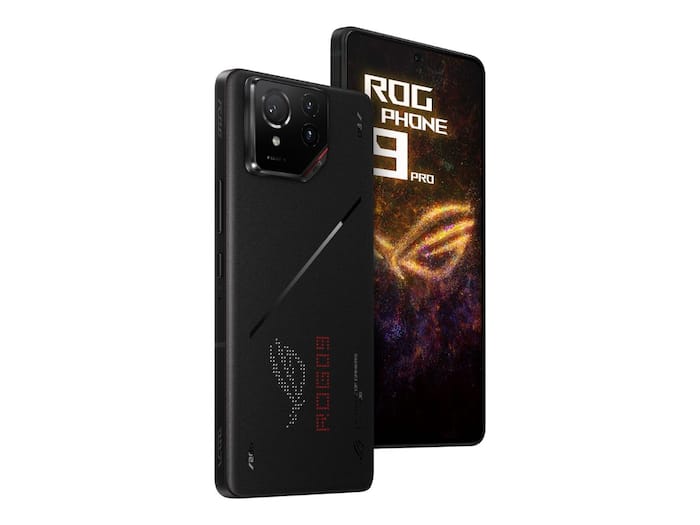
The last major launches from ASUS were the ROG Phone 9 series in late 2024 and the Zenfone 12 Ultra in early 2025. Beyond that, there are no new devices planned. ASUS has clarified that existing users will continue to receive warranty coverage, software updates, and after-sales support, but fresh phone launches are off the table. Also Read: CES 2026: ASUS Refreshes ROG Zephyrus Series, ROG Zephyrus Duo Launches With Dual Displays
For fans of the ROG Phone, this marks the end of one of the most distinct gaming phone lineups in the market. ASUS consistently focused on features that mattered to gamers, such as physical shoulder triggers, strong speakers, stable performance under load, and large batteries. These were not gimmicks, but practical additions that set the ROG Phone apart.
The Zenfone took a different approach. For a long time, it focused on compact flagship phones, even as most brands shifted to bigger displays. Some ideas, like flip cameras, did not always work, but they showed ASUS was willing to experiment. Over time, that identity faded as Zenfone phones became larger and more like everything else in the market.
ASUS is redirecting its smartphone teams towards areas it believes have better long-term potential. This includes AI-driven PCs, commercial computing, robotics, and physical AI devices. Rising component costs, especially memory, have also made smartphones harder to sell without increasing prices.
Rather than dealing with tighter margins and heavy competition, ASUS appears to be focusing on areas where it already has scale and makes more money.

With ASUS stepping back, the smartphone market loses a brand that tried to do things differently. Fewer brands also mean fewer choices, especially for users who preferred gaming-focused phones or smaller flagship devices.

Don't Miss Out the Latest Updates. Subscribe to Our Newsletter Today!