
Written By Shubham Arora
Published By: Shubham Arora | Published: Jan 29, 2026, 03:46 PM (IST)


Written By Shubham Arora
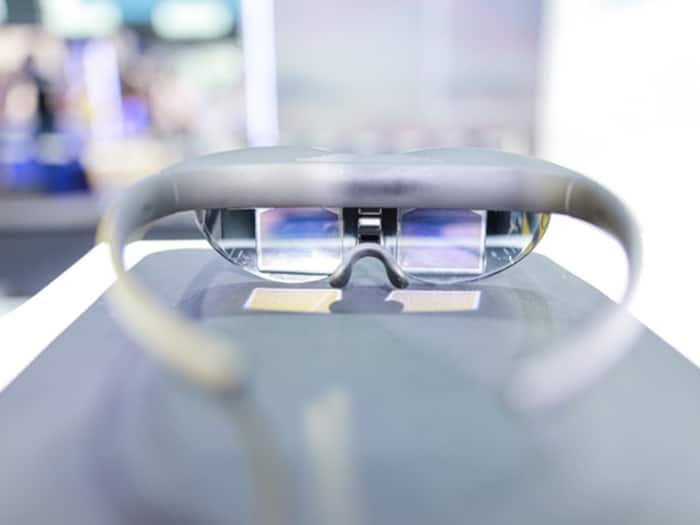
Vivo has reportedly paused development of its AI smart glasses project after several months of internal work. The decision has not been officially announced by the company, but people familiar with the matter say the project was stopped following internal reviews.  Also Read: Planning to buy Vivo V70 Elite? Check these strong rivals first
According to a Gizmochina report, Vivo had been exploring the AI smart glasses category for some time. The company is said to have tested multiple concepts, including audio-focused glasses and models with a basic monochrome display. Also Read: Vivo V70 vs Vivo V70 Elite: Specs, price, performance and camera compared
Early demo units were also built with the help of ODM partners as part of the evaluation. However, despite this work, the project was later put on hold. Internal reviews reportedly found that the product did not have enough scope for differentiation. In its current form, AI smart glasses were seen as offering limited room for innovation, largely due to hardware constraints.
One of the main issues cited internally was the reliance on standardised components. Most AI smart glasses currently use similar chipsets, camera sensors, and supporting hardware. This makes it difficult for brands to significantly improve performance, imaging quality, or power efficiency without increasing cost.
Display-based smart glasses were also said to face practical limitations. Improving brightness and field of view often affects battery life and heat management. Keeping the glasses lightweight and comfortable for long-term use remains difficult, especially when balancing battery life, heat, and performance. These factors reportedly made it harder for Vivo to take the product beyond the testing stage.
Reports also point to the current state of the AI smart glasses market. While the category often gets attention at tech events, day-to-day usage remains limited. Most existing products focus on features such as voice interaction, translation, or basic photography, which have so far not been enough to make them part of everyday use.
So far, these use cases have not been enough to drive everyday adoption. As a result, companies are being cautious about pushing AI smart glasses into the market before clearer usage patterns emerge.
Vivo’s decision does not indicate a move away from wearables altogether. Instead, the company is expected to focus more on mixed reality development. Vivo has already showcased its Vision Discovery Edition MR headset, which is designed to work alongside smartphones and personal computers.

For now, Vivo appears to be reassessing priorities. Until the technology behind lightweight, all-day wearable glasses matures further, AI smart glasses may remain in the testing phase rather than moving toward a commercial launch.

Don't Miss Out the Latest Updates. Subscribe to Our Newsletter Today!