
Written By Shubham Arora
Edited By: Shubham Arora | Published By: Shubham Arora | Published: Jan 14, 2026, 08:30 AM (IST)



Written By Shubham Arora
Vivo has long proven its mettle when it comes to mobile photography, and the new Vivo X300 Pro is no different. I remember using the Vivo X100 Pro, which impressed me with its camera finesse. Now that I have the X300 Pro in my hands, and having used it for a month, it takes me by surprise to see what the flagship can achieve in terms of pro photography with the telephoto extender kit.  Also Read: 7 best smartphones under Rs 25,000 in 2026
The X300 Pro is not just another premium phone, it is a serious deal for those looking to level up their photography game. But yes, it finds a serious rival in the OPPO Find X9 Pro – which also comes with a Hasselblad teleconverter kit. Both the Vivo X300 Pro and the Find X9 Pro are priced similarly at Rs 1,09,999, while the lens kits don’t come cheap either. Also Read: Vivo X300 Ultra leak hints at 7000mAh battery, 200MP cameras, and India launch
Let’s dive straight into the best that the Vivo X300 Pro can do, while also discussing the areas where it needs to improve.
Before we continue with the Vivo X300 Pro review, here are its specifications:
| Display | 17.22 cm (6.78-inch), 1.5K, 120Hz |
| Battery & Charging | 6,510mAh; 90W wired, 40W wireless |
| Storage |
16GB+512GB |
| Processor | MediaTek Dimensity 9500 |
| Rear Camera | 50MP Sony LYT-828 main + 50MP JN1 ultrawide + 200MP telephoto |
| Front Camera | 50MP f/2.0 |
| Operating System | OriginOS 6, based on Android 16 |
| Colours | Dune Gold, Elite Black |
| Price | Rs 1,09,999 |
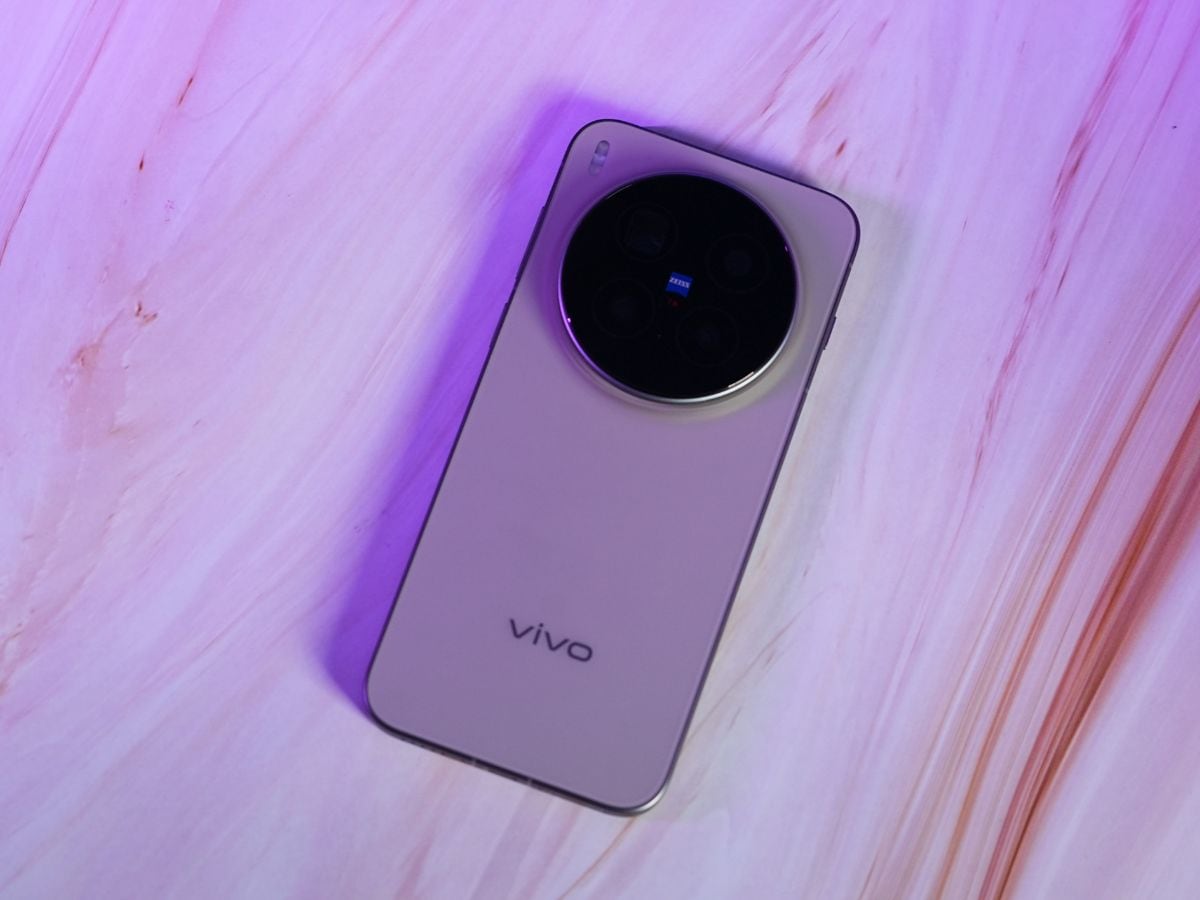
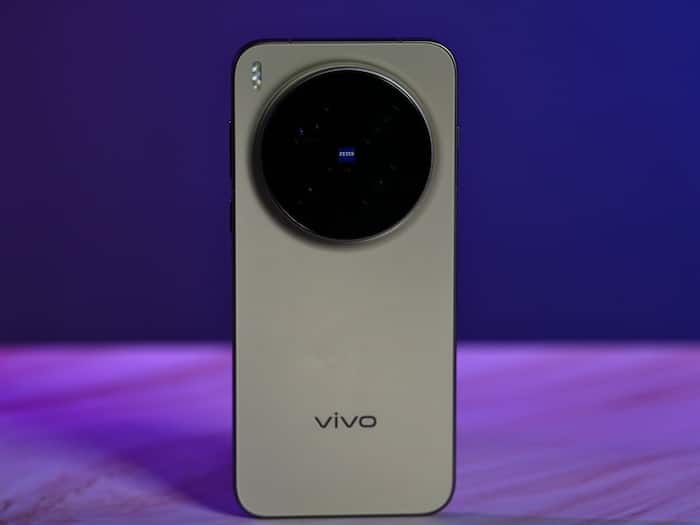
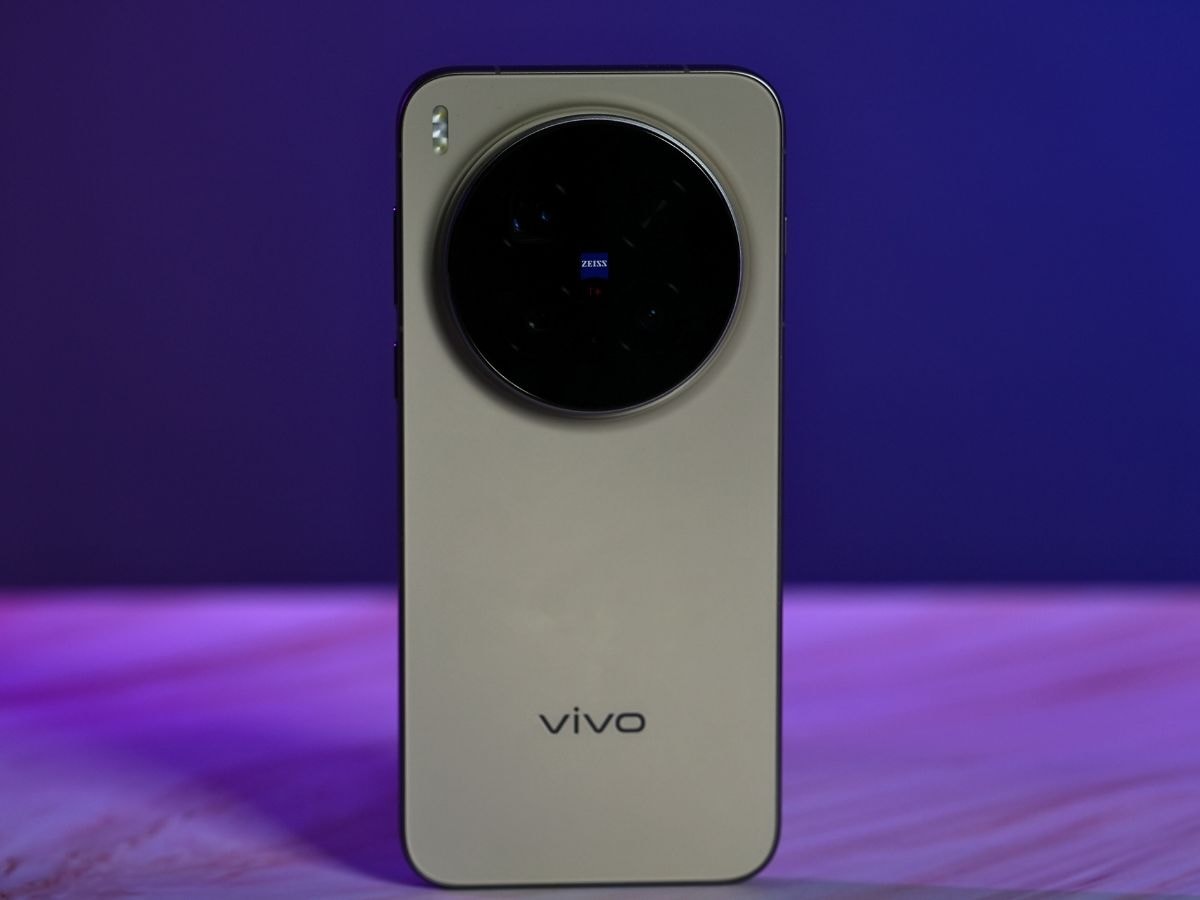
Like every other X-series phone, the Vivo X300 Pro carries the ZEISS-branded circular camera setup – which does get bigger with every generation. I have the Dune Gold variant with me, and it looks premium with the light-tone rear and the dark-tinted aluminium frame. Most of the space on the back is occupied by the camera island. Though many may not like the overall design, which hasn’t changed much in the last few years, I have no complaints in that area. The phone is also available in an Elite Black colourway. One thing that I like is that the back now uses frosted glass, which makes the panel fingerprint resistant.
Similar to what we have seen on many flagships of 2025, the X300 Pro also gets a shortcut button that can be assigned tasks like launching the camera. On the bottom, there is a SIM tray, a speaker, and a USB Type-C port. The top of the device houses another speaker unit for a stereo output.
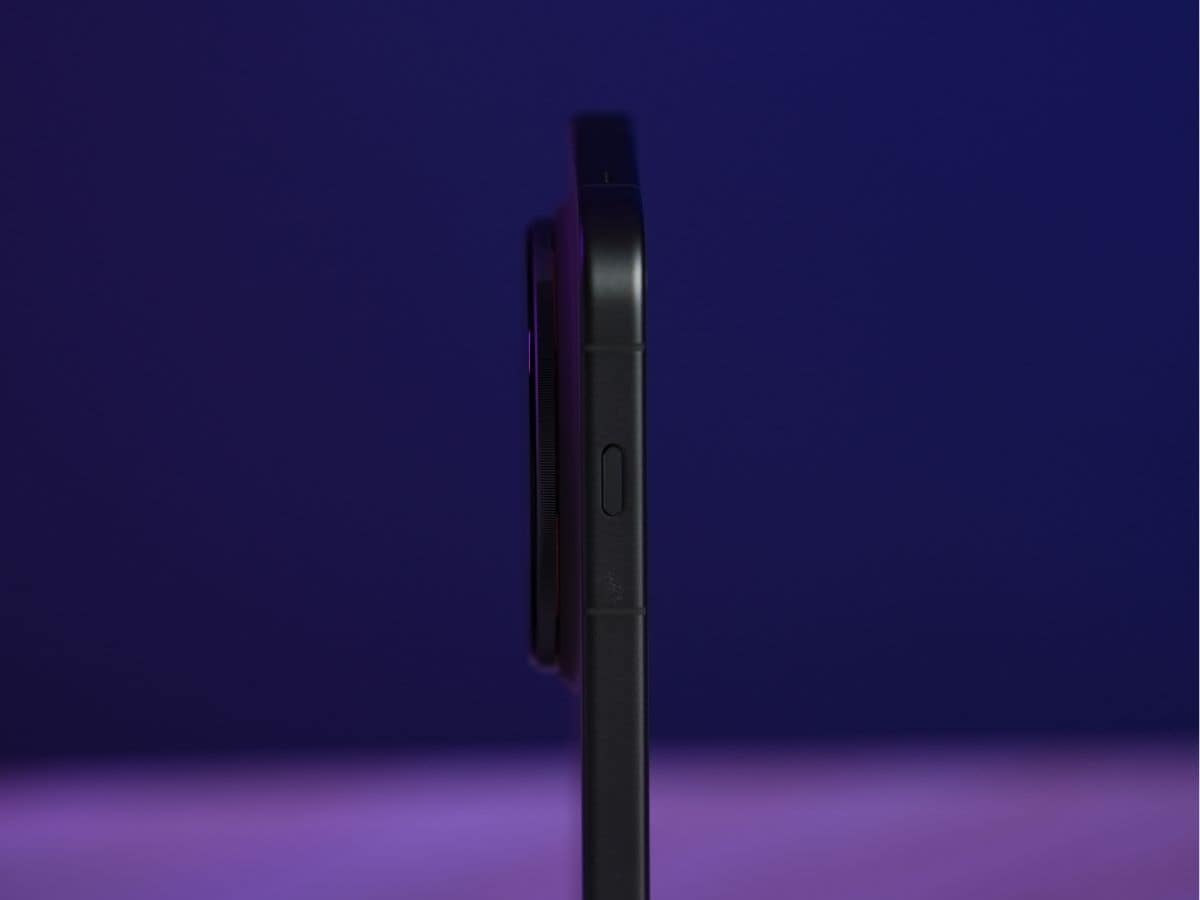
In terms of weight and dimensions, the X300 Pro has become a tad heavier and a bit slimmer than the previous generation. It now weighs 226 grams and measures 7.99mm in thickness – despite housing a larger capacity battery. That said, it does feel bulkier when used with one hand as the camera module adds some serious weight to the device. The X300 Pro is IP68/69 rated for dust and water resistance.
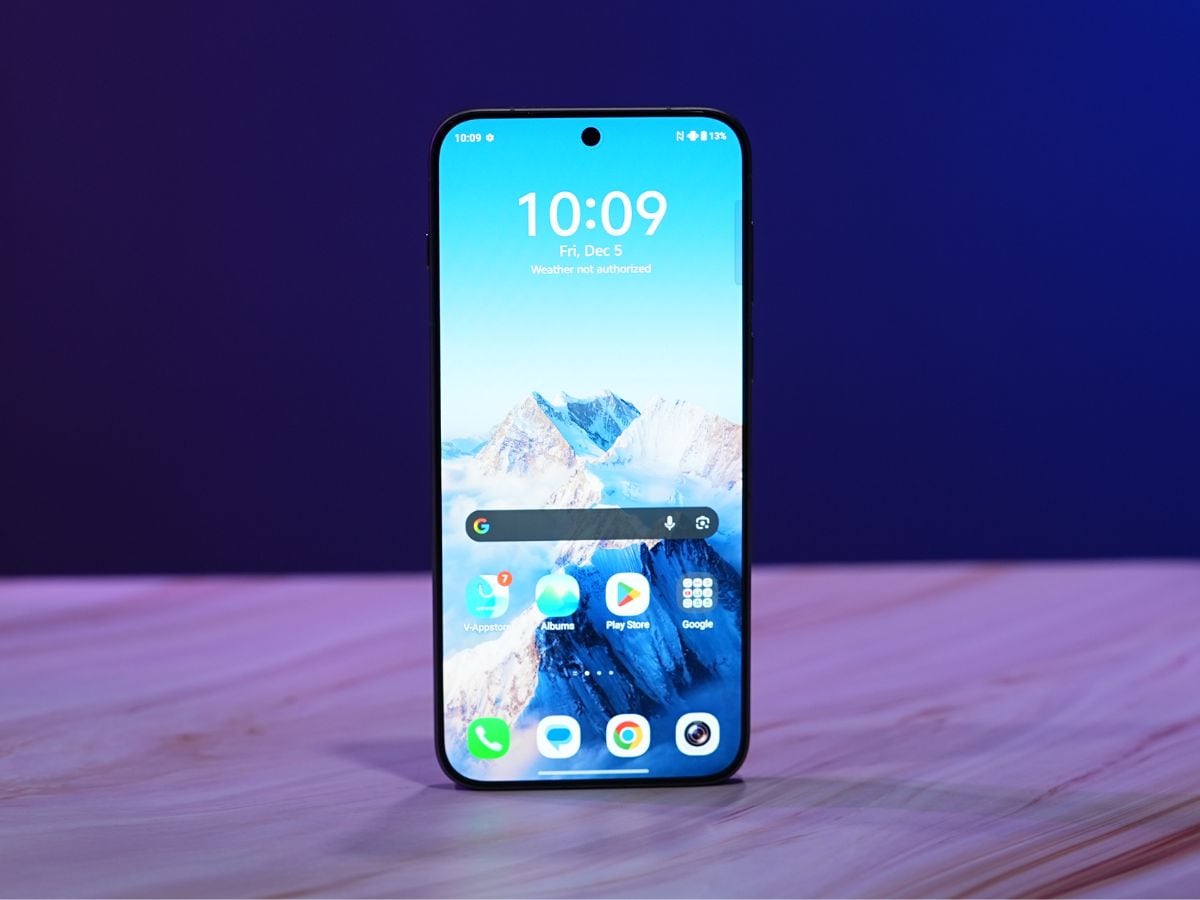
Jumping to the front, the X300 Pro’s display now has minimal and symmetrical bezels all around. The screen also features an ultrasonic fingerprint sensor, which is easily accessible even with one-handed use. The panel on the X300 Pro is a 6.78-inch LTPO AMOLED with a 1.5K (1,260 x 2,800-pixel) resolution, up to 120Hz refresh rate, 452 PPI pixel density, and up to 4,500 nits of peak brightness. The display features Dolby Vision, HDR10+, TÜV Rheinland Flicker-Free Certification, and SGS Low Blue Light Certification.
The display, while not the brightest on paper, offers more than enough visibility even under sunlight. The panel gets the job done whether you are watching videos or playing games.
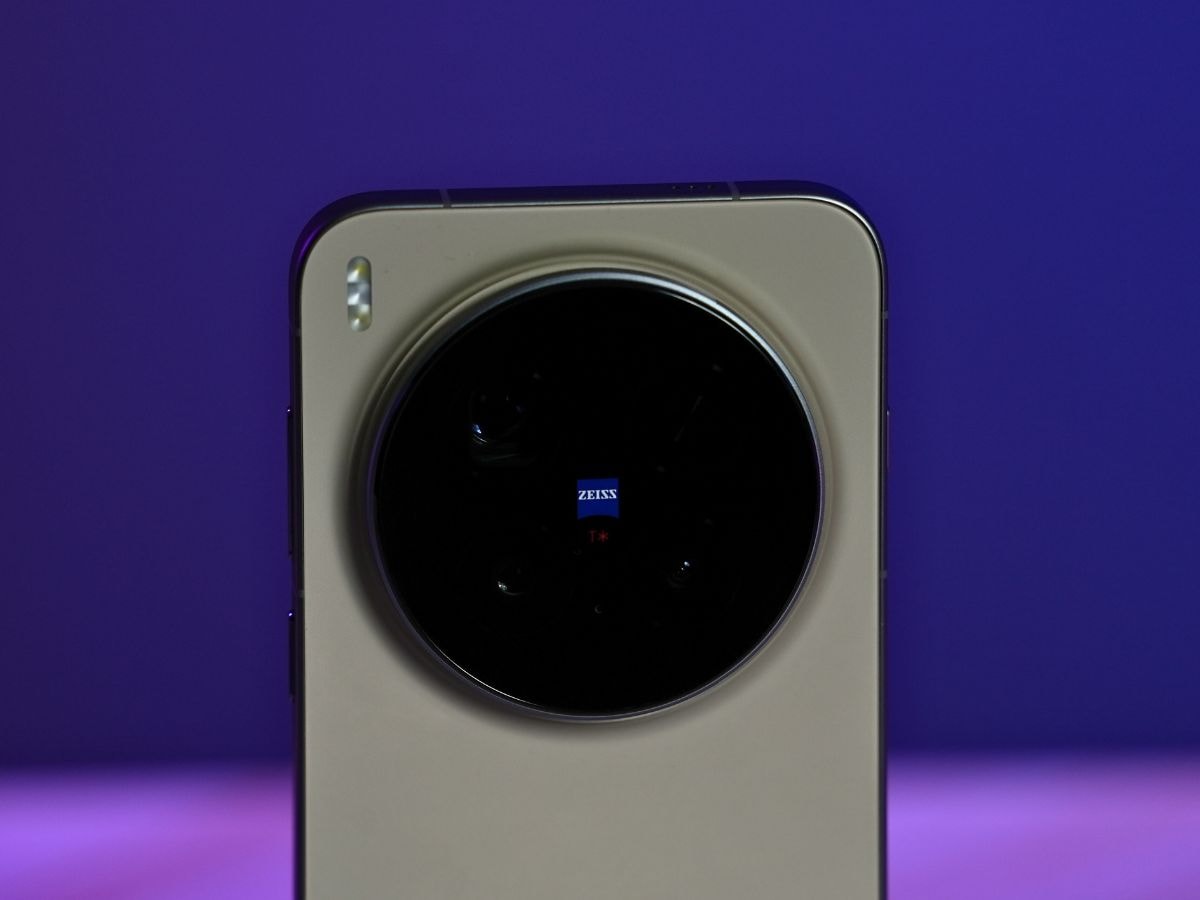
The Vivo X300 Pro features a similar set of camera sensors as the X200 Pro with some upgrades. The 50MP primary camera with a Sony LYT-828 sensor and f/1.57 aperture is an upgrade over last generation’s LYT-818 unit. The telephoto lens uses a 200MP HPB sensor with f/2.67 aperture, offering 3.5x optical zoom, while the ultra-wide camera uses a 50MP Samsung JN1 sensor with 119-degree FOV and f/2.0 aperture. On the front, there is a 50MP JN1 sensor with f/2.0 aperture for selfies and video chats.
The X300 Pro can switch between various focal lengths for those perfect shots – 15mm, 24mm, 36mm, 48mm, 85mm, 121mm, and 242mm.
Talking about the camera, the flagship proudly shows what it is capable of. In daylight shots, the X300 Pro captures subjects and colours the way they are intended to be seen – all natural without artificial processing. The dynamic range is well balanced and pleasing to the eye – the camera doesn’t go overboard with saturation and stuff. The details are precisely captured, and the depths are maintained as they should be. I tried different focal lengths and was surprised with the levels of detail. Even in low light conditions, the cameras didn’t struggle with colours or details in my testing.







































The portrait shots speak for themselves – they are on point when it comes to depth effect and edge refinement. There is no two-way about the bokeh shots – they feel natural as if taken from a professional camera. Each hair strand is perfectly edged out and separated from the background.
Now the most important aspect of any Vivo X-series phone – the telephoto camera. Is it still magical? Absolutely. This has always been one area where Vivo has excelled. The telephoto lens offers 3.5x optical zoom and I took several shots in the 85mm mode – and the results were stunning. Even the 242mm (10x) focal length works wonders when zooming in onto objects.
The 50MP selfie shooter is also very well graded and optimised. The shots came out flawless, capturing the details and skin tone with perfect precision.
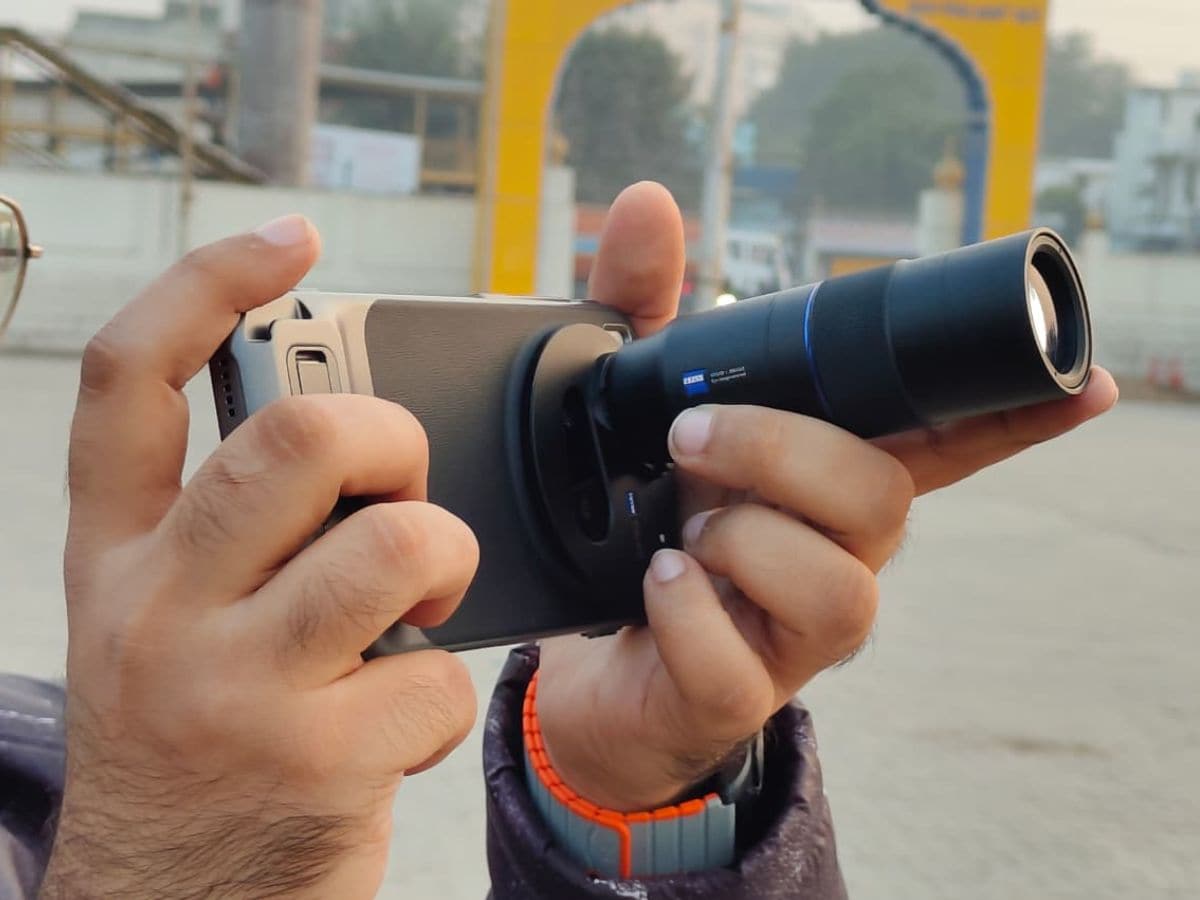
Vivo has co-developed the 2.35x Telephoto Extender Kit with ZEISS, taking the photography game a notch higher. The extender lens levels up the 85mm focal length to 200mm, capturing distant subjects without compromising on details. The X300 Pro camera really shows its prowess with the lens attached – and it forces you to say “Wow!”
This ZEISS telephoto extender kit comes with a dedicated phone case, two interchangeable rings, and a mount module to clip the lens on.
The Vivo X300 Pro runs on the flagship MediaTek Dimensity 9500 chip – which also powers the OPPO Find X9 Pro. The processor features one core running at 4.21GHz, three cores at 3.5GHz, and four cores at 2.7GHz. The X300 Pro is available in a single configuration with 16GB of LPDDR5X Ultra RAM and 512GB of UFS 4.1 internal storage, which should be enough for most users.
Vivo X300 Pro gives tough competition to other flagships of 2025 in terms of benchmark scores. It did, however, show some signs of heating during my testing. That said, the device can handle all tasks with ease in daily usage. The flagship chipset delivers great performance whether you are multitasking, browsing, or gaming.
In AnTuTu benchmark, the X300 Pro managed to score 3,594,858 points, which fell short in comparison to the Snapdragon 8 Elite Gen 5-powered OnePlus 15’s 3,701,262 score. The Geekbench 6.5 benchmark showed an output of 3,434 in single-core test and 10,254 in multi-core test. Though the scores are higher than its compact sibling, the Vivo X300, it still lags behind the OnePlus 15’s scores of 3,642 and 11,061 in the respective testing. In CPU throttling test, the X300 Pro’s performance dropped down to 70% of its peak – it may not affect the overall performance but is still a concern given its flagship tag.




I tried BGMI, Genshin Impact, and Wuthering Waves at the highest possible settings and the Vivo X300 Pro didn’t disappoint me. It does get warm in certain scenarios, but nothing that would make it uncomfortable to hold. The stereo speakers on the X300 Pro are loud, but lack clarity when it comes to vocals and finer elements.
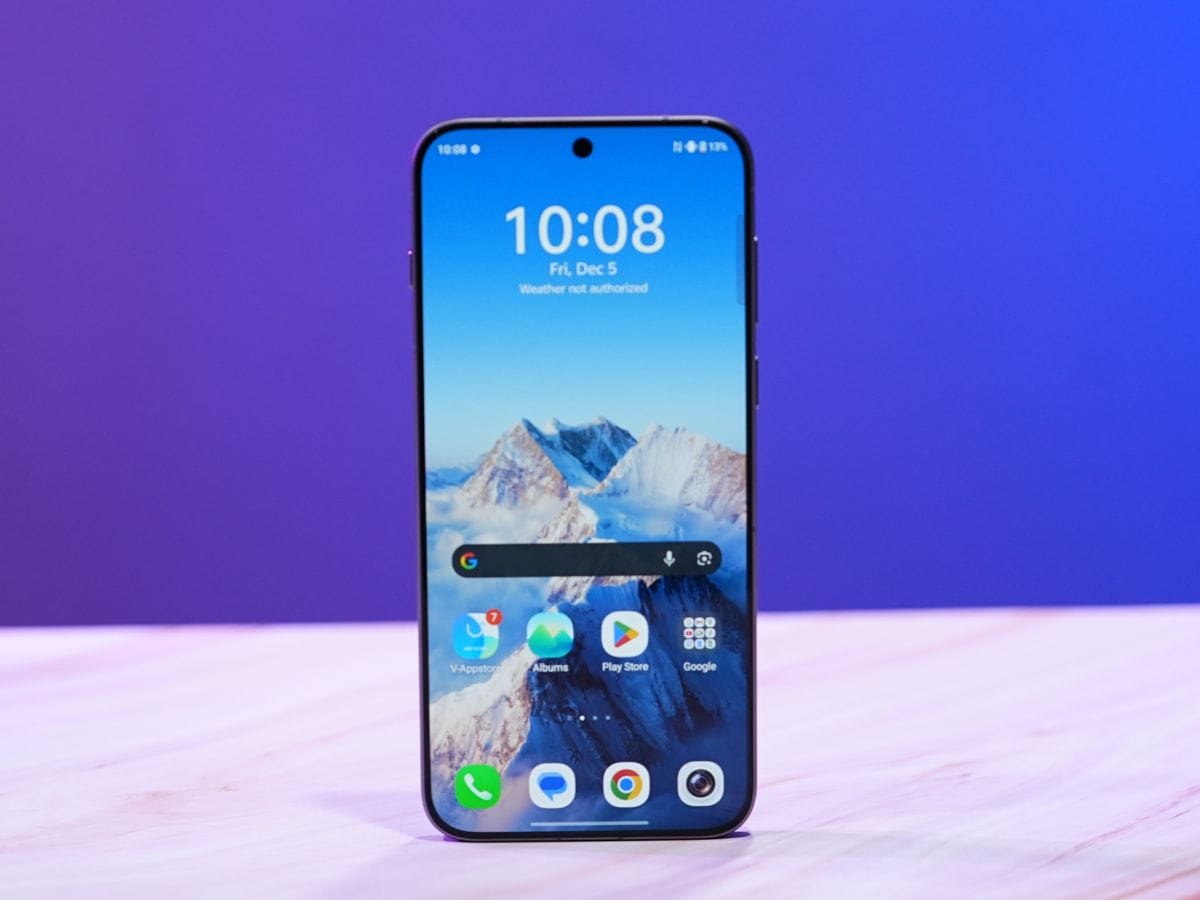
The X300 Pro runs OriginOS 6, based on Android 16, out of the box. It brings new animations and lock screen customisations to the device. Though it’s a fresh overlay, it still gives familiar FuntouchOS vibes in many cases. The new software also introduces Origin Island, Vivo’s take on the iPhone’s Dynamic Island.
OriginOS 6 also brings a new Flip Cards feature that switches between wallpapers as you tilt the X300 Pro from left to right and vice-versa. With the X300 Pro, the company promises five years of software upgrades and seven years of security updates.
The Vivo X300 Pro is equipped with a larger 6,510mAh battery as compared to the X200 Pro’s 6,000mAh cell. It supports 90W wired fast charging and 40W wireless charging. The phone takes around 45-50 minutes to charge fully, and it easily lasts over a day with moderate usage.
The Vivo X300 Pro, priced at Rs 1,09,999, is a serious flagship that focuses primarily on its photography prowess. The ZEISS Telephoto Extender Kit, which adds another Rs 18,999 to the package, makes the camera experience even better. The X300 Pro is a great value at this price for those willing to spend on a camera phone. Also, it could be your daily driver given the flagship performance and battery life.
The device does have its own flaws. The weight distribution could have been a little better and the telephoto extender kit adds even more bulk to the X300 Pro. The software feels less premium as compared to other flagships in the market. If you don’t want a bigger, bulkier phone, then you can go for its compact sibling, the Vivo X300.
While the X300 Pro directly competes with the Find X9 Pro, the iPhone 17 Pro and Samsung Galaxy S25 Ultra are also in the line to compete with the Vivo flagship.

Overall, if you have a budget of Rs 1,10,000 then the X300 Pro could be your pick. Couple it with the telephoto extender kit, and you’ll unleash the camera beast that this smartphone conceals.

Don't Miss Out the Latest Updates. Subscribe to Our Newsletter Today!