Written By Divya




The Pixel 10 Pro uses Google’s Tensor G5 chip with AI-driven stuff like Magic Eraser, speech recognition, on-device translation, and computational photography for better low-light shots. It costs Rs 1,09,900.
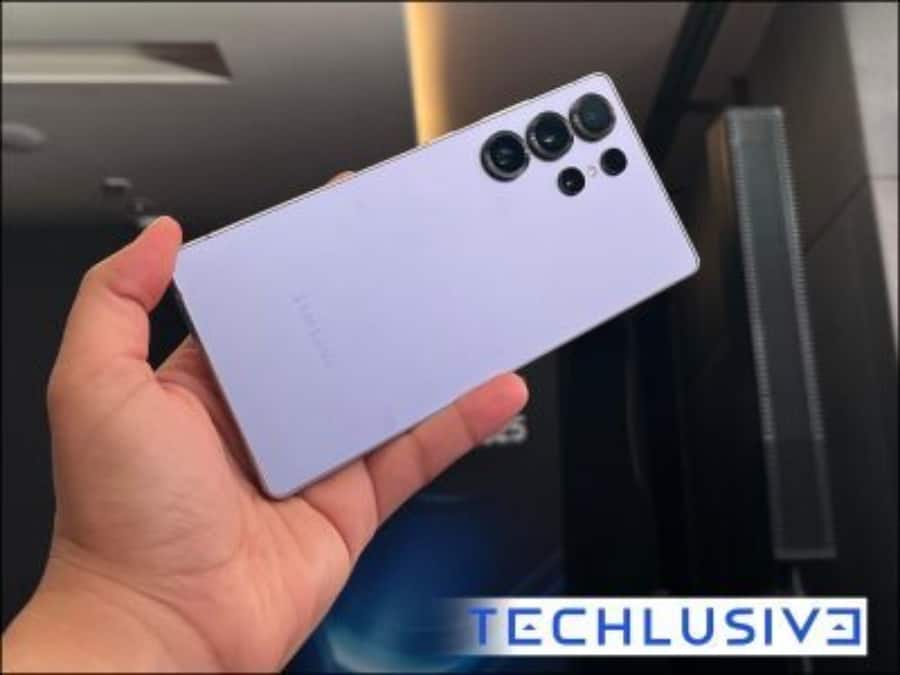
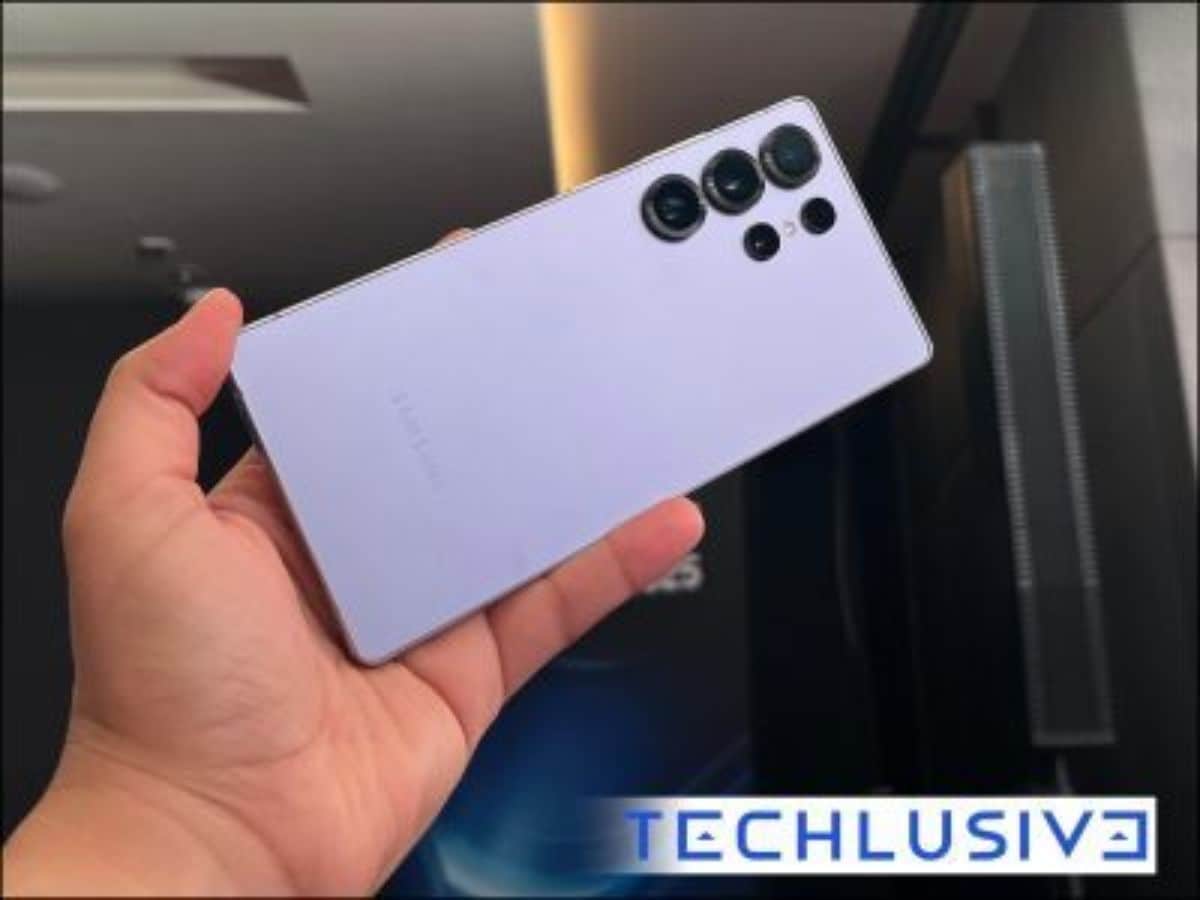
Samsung’s Galaxy S25 Ultra is powered by the Snapdragon 8 Elite with One UI AI features for smarter multitasking, image enhancement. It has features such as Live Translate, Note Assist, Chat Assist, AI Select, and Now Brief.


The Vivo X300 Pro focuses AI on photography and performance scaling. Its AI engine adjusts resource allocation to keep frame rates stable during gaming and enhances night mode shots. It costs Rs 1,09,999.
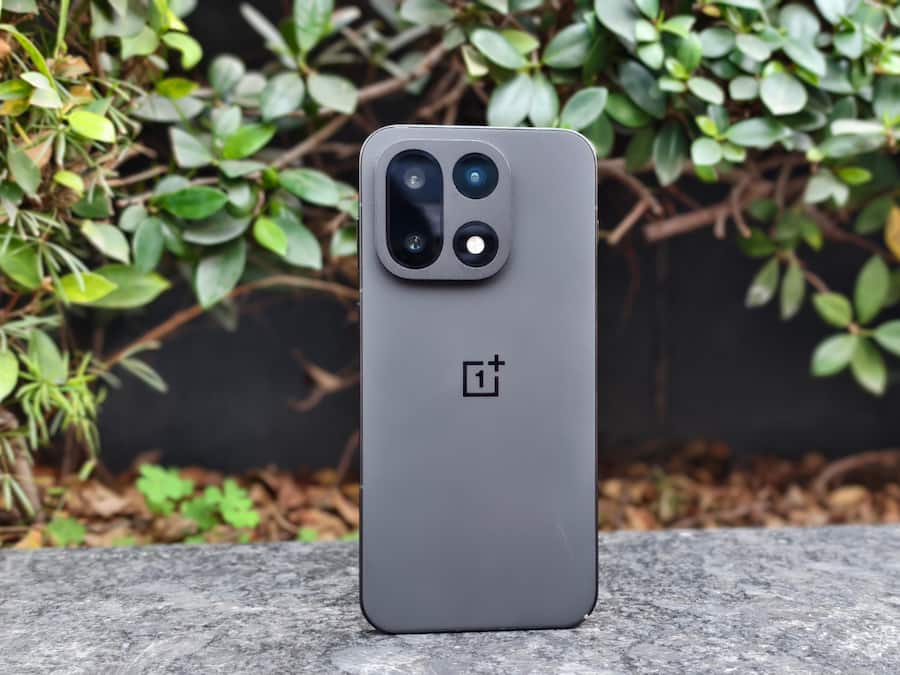
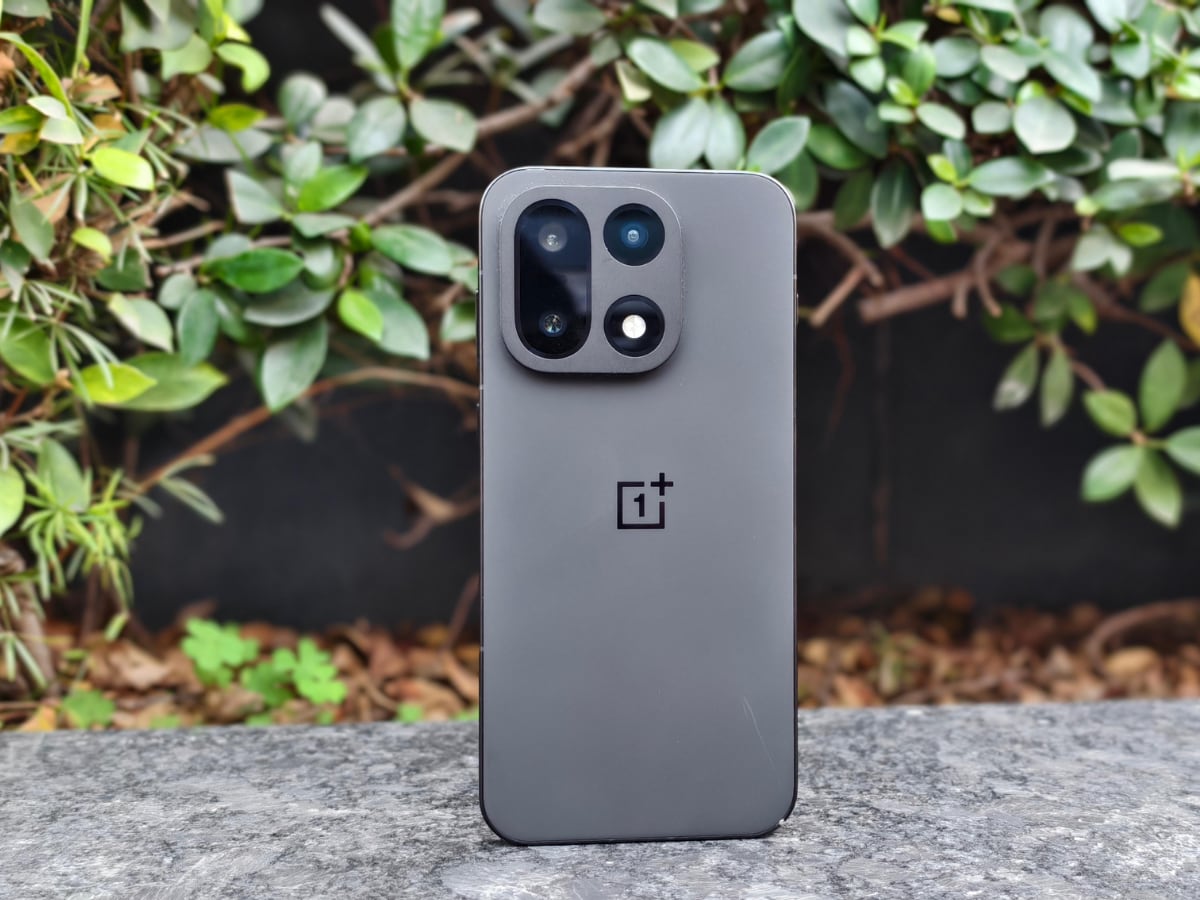
The OnePlus 15 features AI-assisted optimisations in battery management, adaptive refresh rates, and camera tuning. On-device processing improves portrait shots and dynamic lighting in photos.
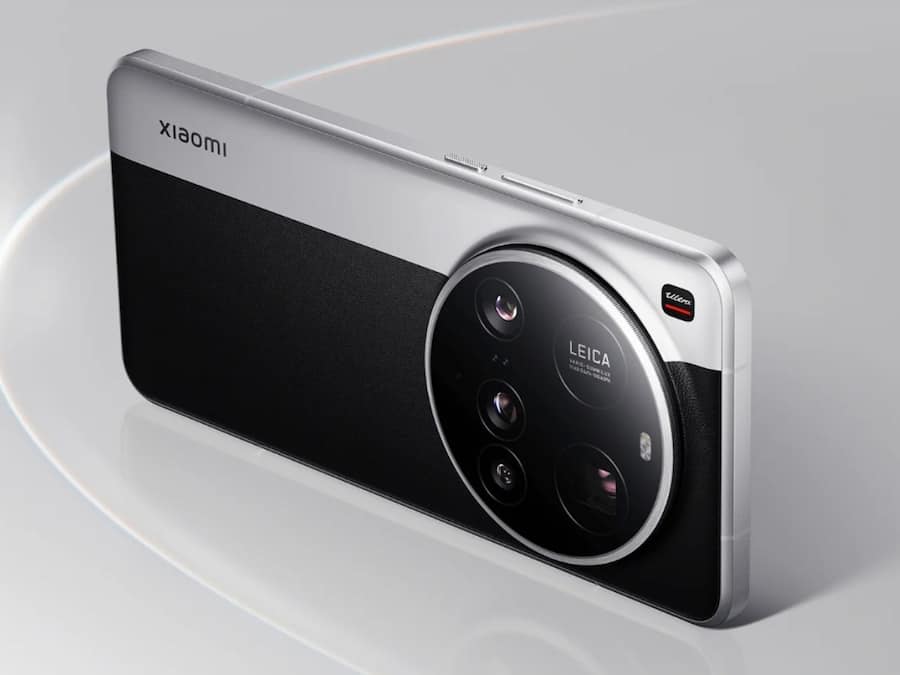
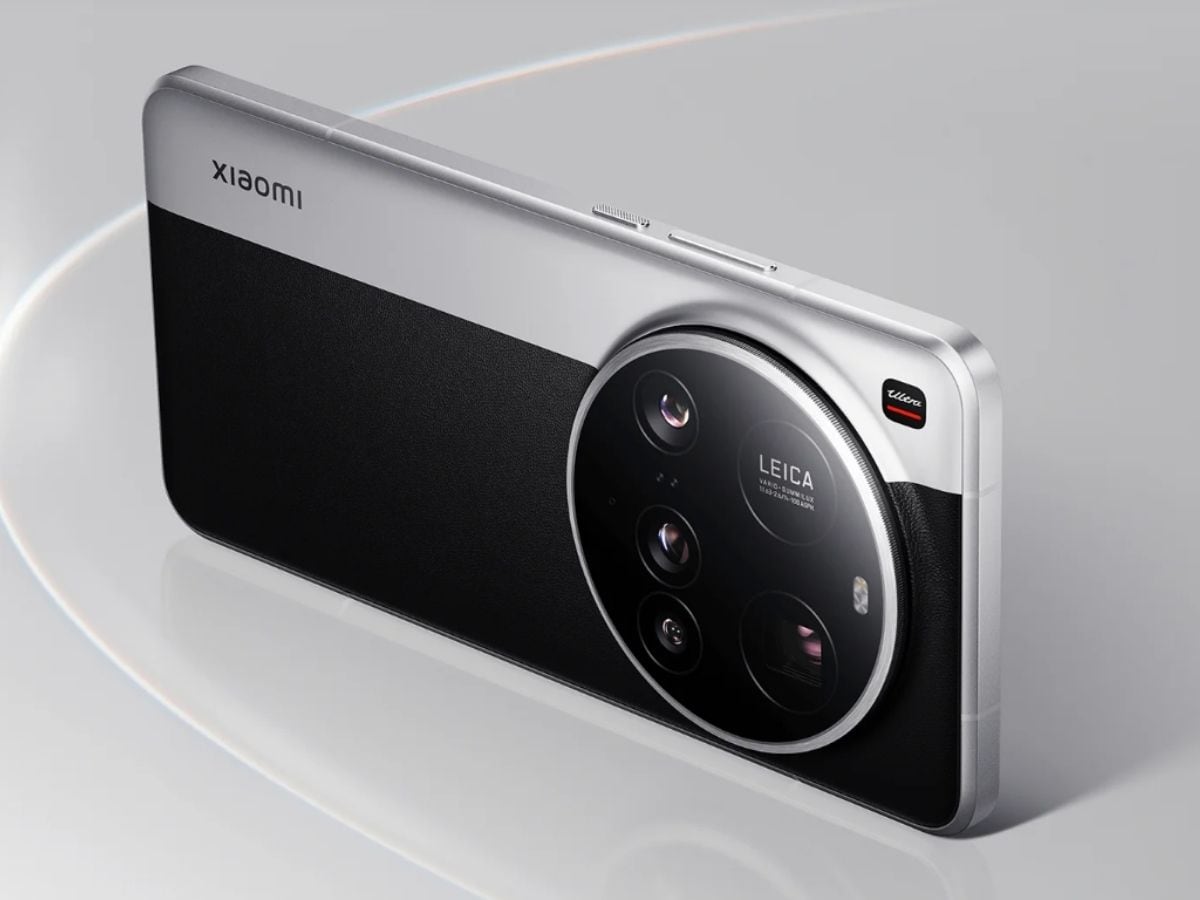
Xiaomi’s 15 Ultra uses AI algorithms for camera noise reduction, subject detection, and scene optimisation. The system also adapts power profiles to usage patterns.
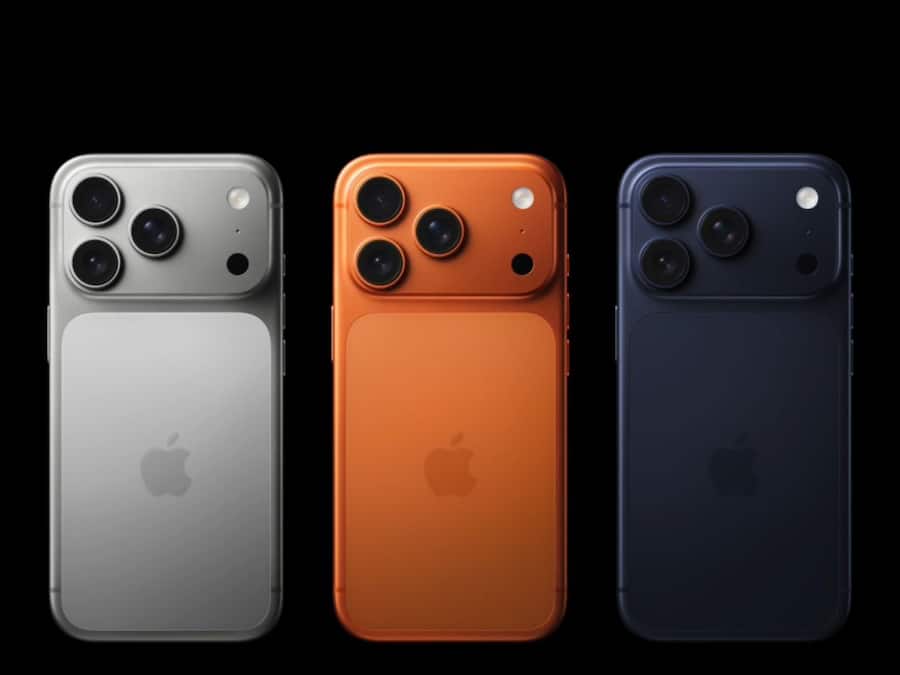
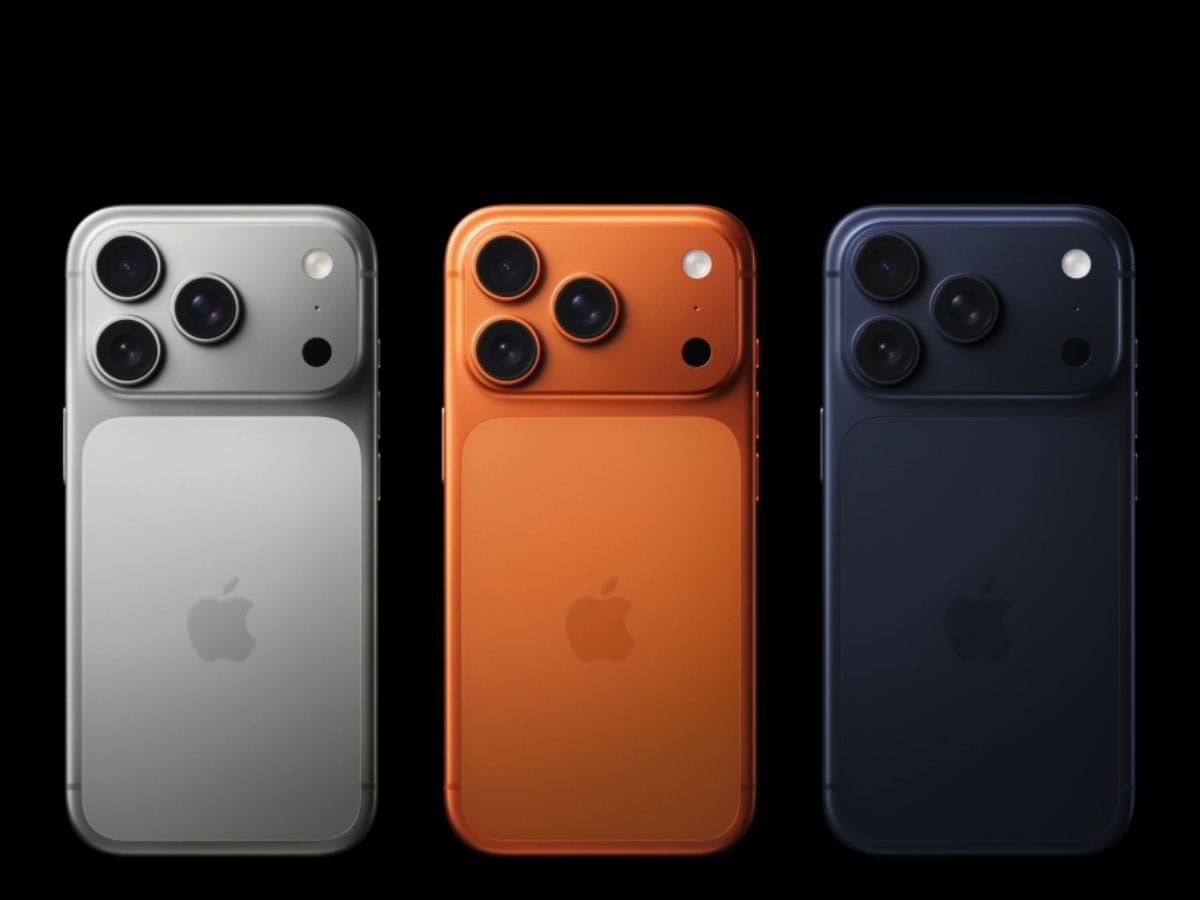
Priced at Rs 1,49,000, the iPhone 17 Pro Max runs on the A19 Pro chip with on-device AI for image processing, video enhancement, and system suggestions.


AI smartphones handle tasks like photo processing, voice recognition, and battery optimisation directly on the device, making everyday use faster, more personal, and less dependent on the internet.


Look beyond marketing. Check real-world AI benefits like camera processing, on-device privacy, battery learning, and software support longevity before deciding.

Don't Miss Out the Latest Updates. Subscribe to Our Newsletter Today!