Written By Divya
Published By: Divya | Published: Mar 02, 2026, 04:01 PM (IST)


Written By Divya
In the 21st century, wars are not limited to bombing and politics. It deals with AI and cyberattacks too. Hours after the joint US-Israeli strikes on targets inside Iran, a wave of cyber activity began. According to a Reuters report, several Iranian apps and news websites were hacked. Some even appeared in online messages that directly targeted the country’s leadership and armed forces.
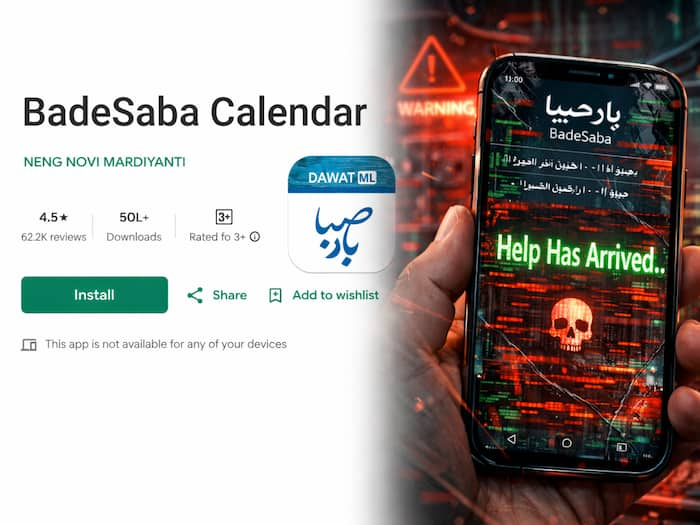
One of the most notable of them all is the prayer app, BadeSaba. It is a popular Iranian religious calendar and prayer app with over five million downloads. According to reports, the app was compromised and began displaying messages which asked forces to “lay down weapons” and join the people.
Several screenshots have circulated online showing Persian-language notifications claiming that “help has arrived.” The app is widely used by religious supporters, which cybersecurity researchers say makes the targeting strategic rather than random. At the same time, multiple Iranian news websites were reportedly defaced, including state-linked platforms, displaying content critical of the regime, the report added.
"کمک رسید!"
تصاویر دریافتی از شهروندان مختلف با شرح: 'هک شدن اپلیکیشن اذان و اوقات شرعی باد صبا، شنبه ۹ اسفند'#Iran pic.twitter.com/GlNcXQ18vo— Vahid Online (@Vahid) February 28, 2026
Cyber analysts also observed unusual internet disruptions. Data shared by internet monitoring firms showed significant connectivity drops inside Iran during key hours following the strikes. While the exact cause remains unclear, such disruptions often coincide with either defensive shutdowns or cyber operations targeting digital infrastructure. Officials from both sides have not publicly detailed the extent of the cyber activity. Independent verification of some claims remains limited.

Security analysts believe this may only be the beginning of a broader digital escalation. Threat intelligence experts warn that pro-Iranian groups or aligned hacktivists could respond with their own cyberattacks targeting Israeli or US-linked military, commercial, or civilian systems. These could range from website defacements and DDoS attacks to the reuse of old breached data presented as fresh leaks. Cyber conflict, experts say, often moves faster than traditional warfare and can expand quietly.

Don't Miss Out the Latest Updates. Subscribe to Our Newsletter Today!