Written By Shubham Arora


Written By Shubham Arora
Edited by Shubham Arora |Published: May 14, 2026, 05:17 PM (IST)
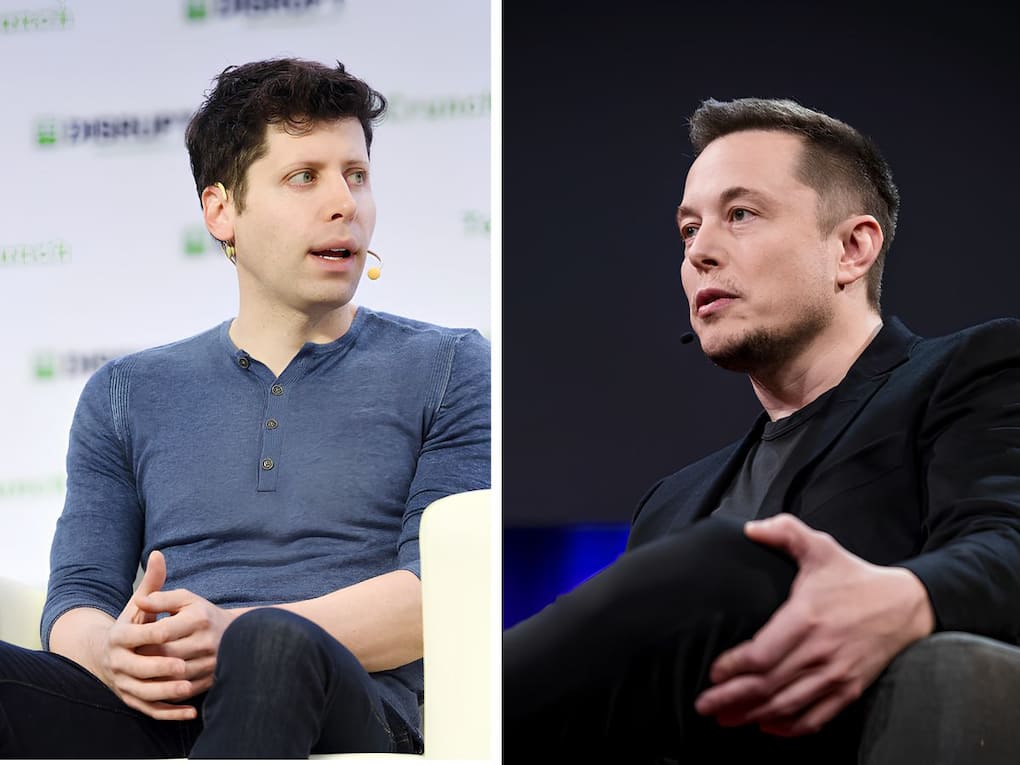
 Sam Altman and Elon Musk at the centre of a growing legal and corporate dispute involving OpenAI.
The ongoing fight between Elon Musk and Sam Altman has now moved far beyond disagreements over artificial intelligence. What started years ago as differences around the direction of OpenAI has slowly turned into one of the biggest legal and corporate clashes in the tech industry.
The latest court disclosures have added another layer to that battle. Documents shown during recent hearings revealed that Altman held more than $2 billion worth of stakes in companies that later did business with OpenAI. The details surfaced during proceedings connected to Musk’s lawsuit against OpenAI and Altman.
Musk’s lawsuit reportedly seeks $150 billion in damages and also calls for Altman’s removal from OpenAI’s leadership. The case includes allegations tied to breach of charitable trust and unjust enrichment linked to OpenAI’s transition towards a more commercial structure.
The latest court filings brought fresh attention to Altman’s investments and OpenAI’s business ties. During the hearings, details emerged showing that Altman had investments in companies like Helion Energy, Stripe, and Retro Biosciences, all of which reportedly had links with OpenAI.
Other companies mentioned during the proceedings included Cerebras, Reddit, Humane, Formation Bio, and Lattice.
Lawyers representing Musk argued that these business connections could raise concerns around possible conflicts of interest. Altman, on the other hand, defended himself in court and said he recused himself from discussions and approvals involving companies where he held investments.
The situation is particularly notable because Musk was once closely associated with OpenAI itself. He helped co-found the company in 2015 before eventually stepping away.
Over the years, Musk has repeatedly criticised OpenAI’s direction, especially its shift from a nonprofit-focused organisation to a company pursuing large-scale commercial partnerships and investments.
At the same time, Musk launched xAI, which now directly competes in the AI space. That has made the rivalry between Musk and Altman even more visible.
The court case is also bringing wider attention towards OpenAI’s internal structure and governance.
As reported by Reuters, 10 Republican state attorneys general have reportedly asked the US Securities and Exchange Commission to examine OpenAI’s documents more closely ahead of a possible IPO in the future. A congressional committee has also sought information around the company’s conflict-of-interest safeguards.

The legal fight between Musk and Altman is now becoming larger than just two tech figures disagreeing over AI. It is gradually turning into a broader debate around power, transparency, investments, and control inside the rapidly growing AI industry.