
Written By Deepti Ratnam
Published By: Deepti Ratnam | Published: Feb 21, 2026, 02:41 PM (IST)


Written By Deepti Ratnam
ATMs used to be regarded as safe banking solutions. Nonetheless, they are now being targeted by cybercriminals. The FBI is alarmed by the fact that ATM jackpotting attacks are growing exponentially. Such assaults enable hackers to make machines give out huge sums of cash. The agency claims that over 700 of such attacks were reported in 2025, causing losses of at least 20 million dollars.
ATM jackpotting refers to any form of cyberattack whereby offenders use the ATM machine to issue money in a way that does not compromise the accounts of customers. This phrase gained widespread publicity with the example of a similar hack demonstrated by security researcher Barnaby Jack in 2010. What used to be a performance on a demonstration has already translated into a reality of a criminal activity.
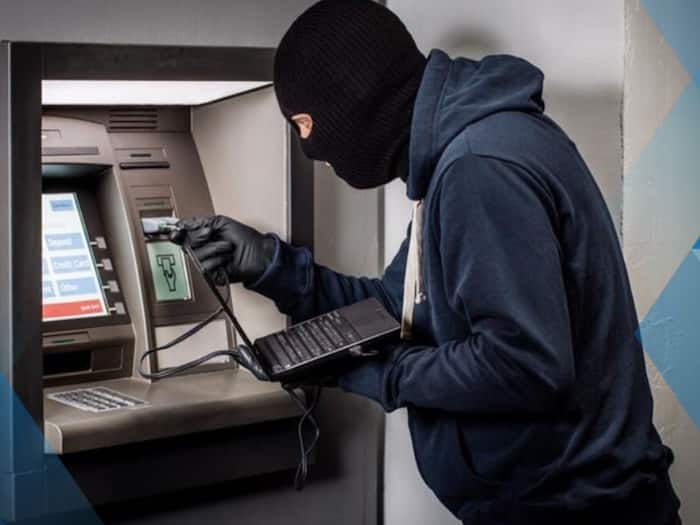
In such attacks, the hackers tend to have physical access to the ATM. They can use generic keys to open the front panel of the machine. After being inside, they attach digital tools or malware. With this malware, they are able to manipulate the ATM system and order it to dispense the money at an alarming rate.
One of the biggest threats that have been named by the FBI is a malware strain dubbed as Ploutus. It is a malware that exploits Windows operating system which is common among the ATMs. After it is installed, it provides the attackers with all the control of the machine. They are able to send instructions to the dispenser telling it to dispense money without recording valid transactions.
Ploutus takes advantage of a software layer called Extensions for Financial Services also referred to as XFS. This system assists various ATM parts, such as card reader, keypad and cash dispenser in communicating with one another. Attackers use this communication system to instigate quick withdrawals of cash by abusing it.
One key concern is speed. Such attacks may drain machines in several minutes. Banks can fail to notice the theft right away because the ATM will be attacked and not the accounts of customers. Quite frequently, the problem can be identified when the money levels become low without any reasons.
The vulnerabilities in XFS software have been already alerted by security researchers. Such weaknesses may enable the attackers to easily control the inner operations of the machine.
The FBI is also pushing the financial institutions to improve their physical security and also to update the ATM software on a regular basis. Jackpotting attacks are becoming more frequent, so the banks and ATM owners should enhance their protective measures to avoid additional losses.


Don't Miss Out the Latest Updates. Subscribe to Our Newsletter Today!