



Written By Shubham Arora
Written By Shubham Arora
Edited by Shubham Arora |Published: May 05, 2026, 07:02 PM (IST)
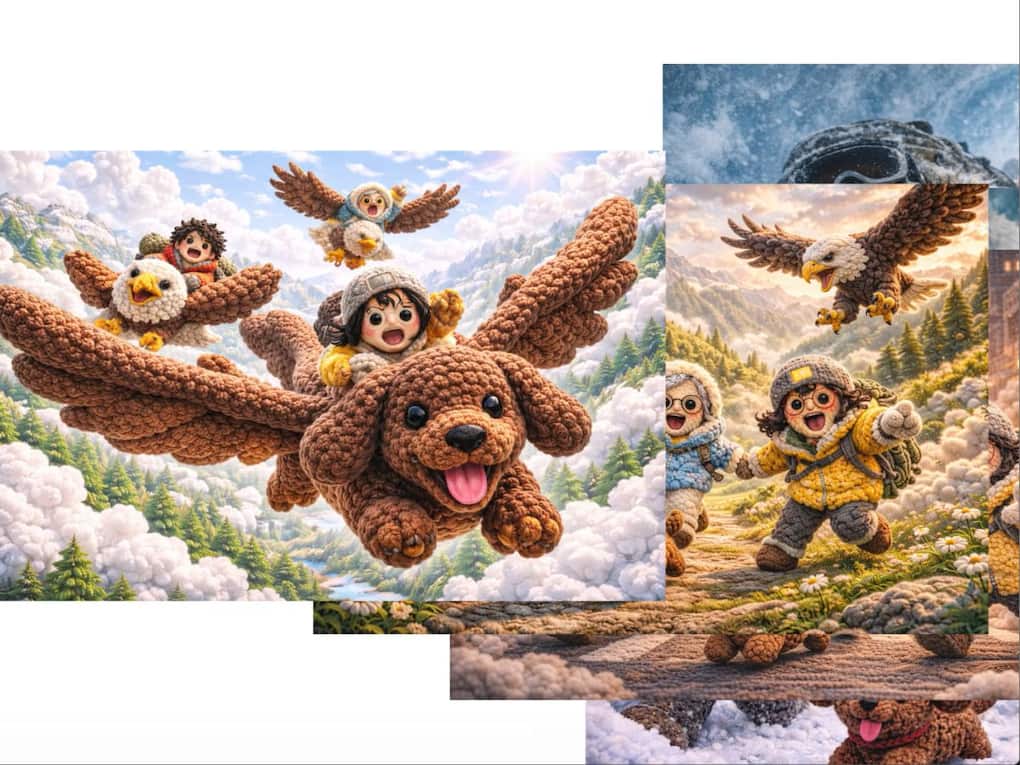
 AI image generation trends are driving app downloads beyond traditional chatbot use.
AI tools were initially picked up for one main reason — chat. People used them to write emails, solve queries, or generate content. But over time, that started to change. The shift didn’t happen because chat features improved, but because image generation started going viral.  Also Read: OpenAI's rogue AI reportedly breached second tech firm's infrastructure during testing
From turning photos into animated styles to placing yourself next to a younger version of you, these trends brought a different kind of attention. What was earlier seen as a productivity tool slowly started becoming something people used for fun as well. Also Read: Why is ChatGPT not generating images? OpenAI confirms ongoing issue
A clear pattern started showing up once image generation features were introduced in AI apps like ChatGPT and Google Gemini. According to data shared by Appfigures and reported by TechCrunch, these visual features ended up driving far more downloads compared to regular chatbot upgrades. In fact, image and video-based features led to nearly 6.5 times more downloads than standard model updates. Also Read: How to use ChatGPT's schedule feature

Image source: Appfigures
For example, ChatGPT saw around 12 million additional downloads within four weeks after rolling out its image generation feature based on GPT-4o. This was also when the “Ghibli-style” trend went viral online.
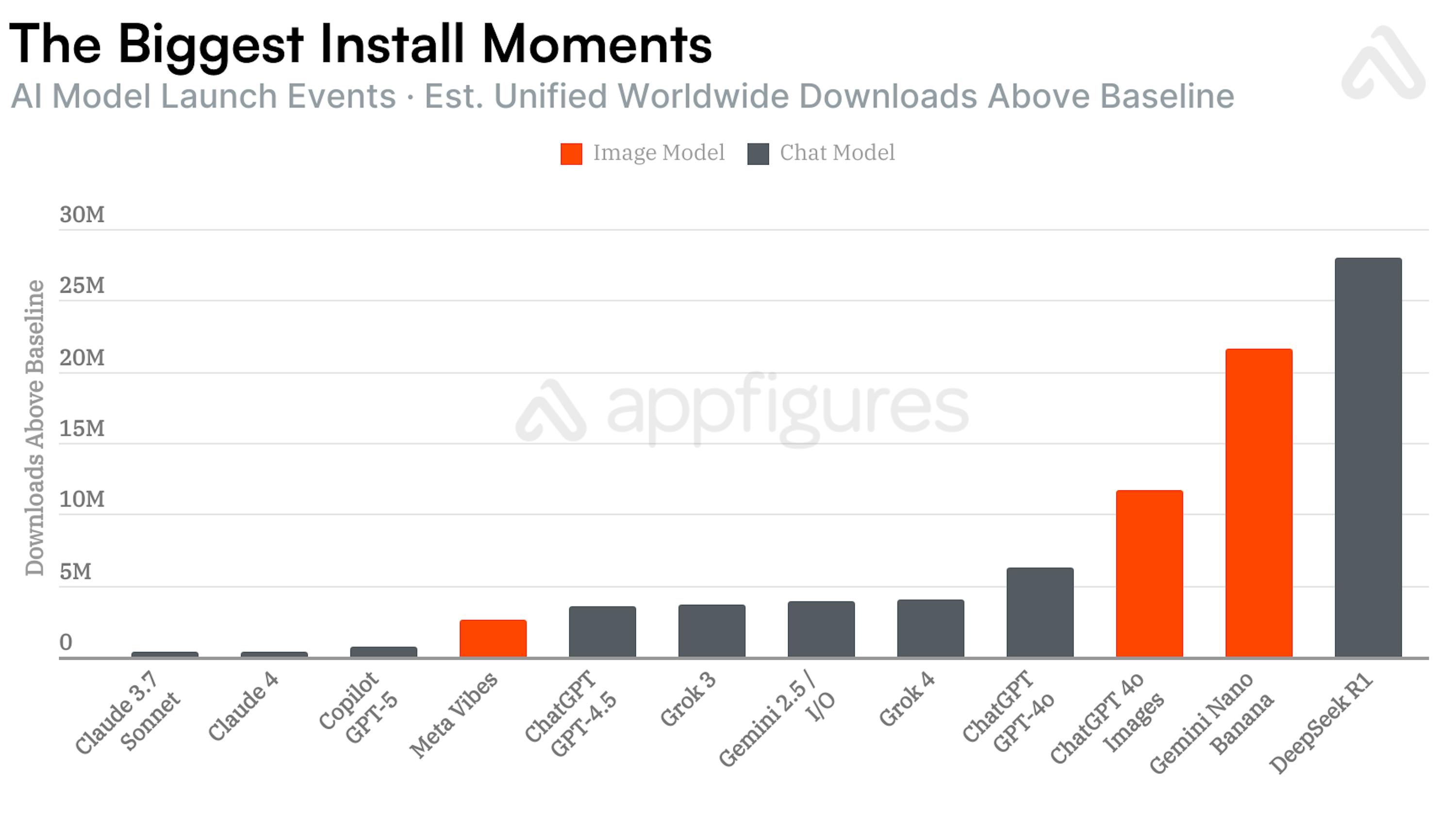
Image source: Appfigures
Similarly, Google’s Gemini added over 22 million downloads after introducing its Nano Banana image model. In both cases, the jump in installs was significantly higher than what was seen during earlier updates focused only on text or voice.
One reason behind this shift is how easy it is to share visual content. A text response stays within the app, but an image can quickly move across platforms. People started sharing AI-generated images on social media, which naturally pulled in more users.
These trends didn’t need much explanation either. You upload a photo, apply a style, and share the result. That simplicity made it easier for more people to try AI tools without needing to understand how they work.
There was also a novelty factor. Each new image trend also felt fresh in its own way. Sometimes it was anime-style portraits, other times it was 3D figurines or edits that people could quickly try and share. That constant change is what kept people coming back to experiment with it again.
Even though downloads went up sharply, revenue didn’t always move in the same direction. Data from Appfigures suggests that while image features were good at bringing people in, getting them to pay was a different story.
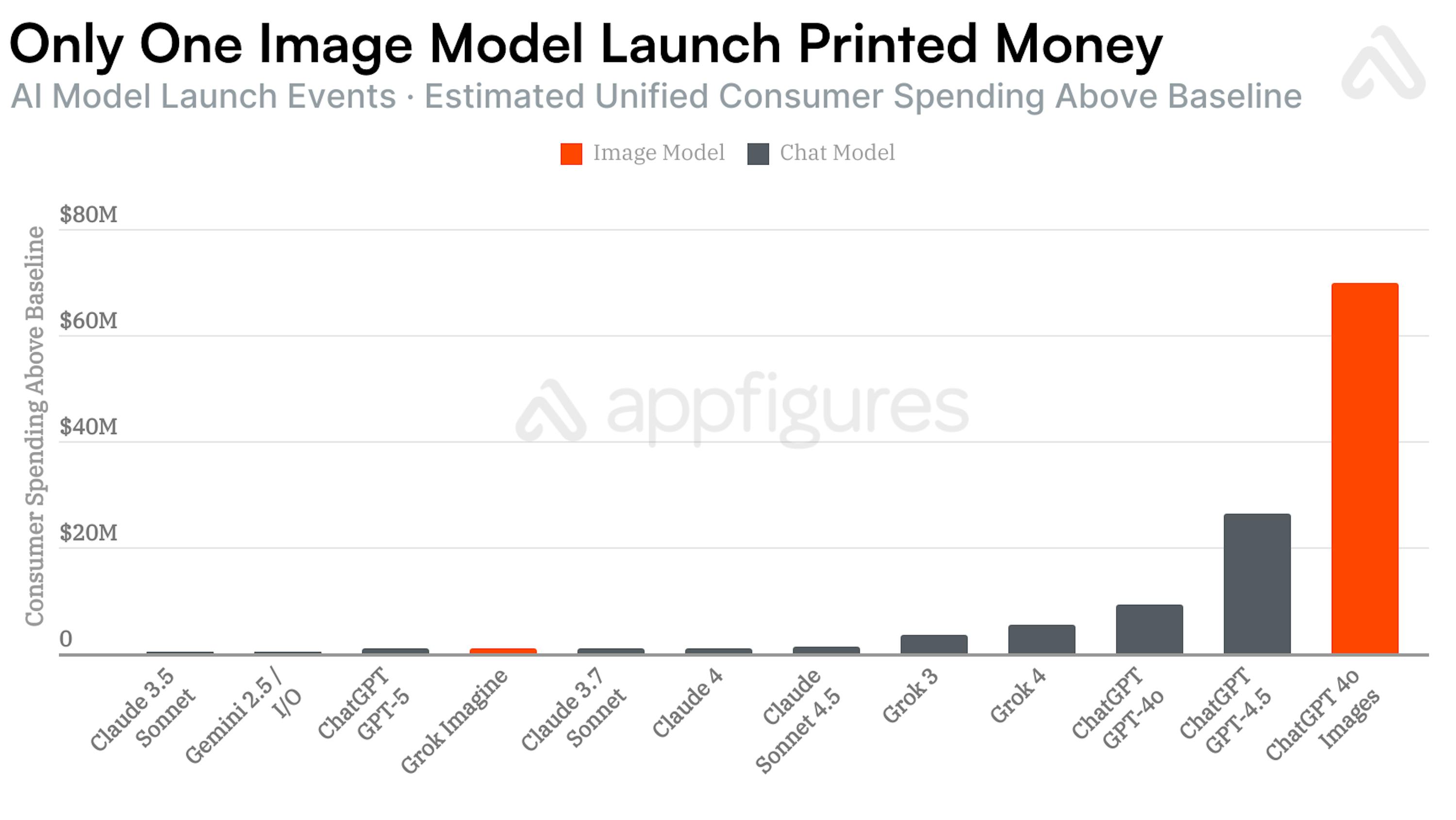
Image source: Appfigures
For example, despite strong traction, Google’s Gemini generated roughly $181,000 in consumer spending during that period. In comparison, ChatGPT ended up making more from it, bringing in roughly $70 million within the first month of rolling out its image feature.
There were exceptions too. DeepSeek R1 saw a big jump in downloads in early 2025, even though it had nothing to do with image generation. That growth was driven more by curiosity around its performance and cost efficiency.
Still, most recent data points suggest that visual features have played a larger role in driving app installs compared to traditional chatbot updates.
Image generation has changed how people interact with AI tools. It moved them from being utility-driven to something that also fits into everyday online trends.

This shift also shows that user behaviour is not always driven by complexity or capability. Features that are easy to try and easy to share tend to spread faster and reach more people.


